What are Platform Engineering tools?
Platform Engineering tools empower organizations to build Internal Developer Platforms (IDPs), simplifying development workflows and boosting developer productivity. These tools automate infrastructure management, CI/CD pipelines, and other essential tasks, allowing development teams to focus on building and delivering applications. Key areas include infrastructure automation, CI/CD integration, tool configuration and operation, and centralized user access and control.
Enterprises use Platform Engineering tools to reduce operational overhead, automate manual tasks, and offer self-service capabilities to development teams. This approach centralizes platform operations, abstracts complex infrastructure, and provides reusable frameworks and templates for common workflows. These tools support enterprise goals like faster product releases, improved developer productivity, and stronger governance practices, all within an infrastructure- and environment-agnostic model.
Platform Engineering market trends
According to recent market research, the platform engineering services market is expanding rapidly. It is valued at USD 5,541.1 million and is projected to reach USD 23,908.0 million by 2030. This reflects a compound annual growth rate (CAGR) of 23.7%.
This growth is driven by increasing adoption across industries such as banking, healthcare, retail, and manufacturing. Organizations in these sectors are investing in platform solutions to support modern application development and operations.
Cloud adoption and deployment trends
Cloud is the leading deployment model in platform engineering. In 2023, it accounted for over 68% of total market revenue and remains the fastest-growing segment.
Organizations are moving from legacy systems to cloud-based platforms to improve scalability, flexibility, and cost efficiency. The rise of multi-cloud and hybrid environments is also increasing demand for platform solutions that can manage and integrate across providers.
Cloud-native technologies such as containers and microservices further drive the need for advanced platform engineering capabilities.
Key market drivers
Several factors are accelerating demand for platform engineering services. The shift toward DevOps and CI/CD practices requires platforms that support automation, testing, and deployment pipelines.
Organizations are also managing applications across multiple environments, which increases the need for integration and centralized platform management. At the same time, businesses are focused on reducing costs and improving operational efficiency, making automation and standardized platforms more attractive.
Security and compliance requirements, including regulations like GDPR and HIPAA, also push organizations to adopt robust and secure platform solutions.
Emerging technologies and innovation
New technologies are creating additional demand for platform engineering. Innovations such as 5G, edge computing, and blockchain require platforms that can handle distributed systems and high data volumes.
Advances in automation and DevOps tooling are improving platform capabilities, making them more efficient and scalable. These developments are expanding the role of platform engineering beyond infrastructure management into more advanced use cases.
Key features of Platform Engineering tools for large enterprises
Infrastructure as code and configuration management
Infrastructure as code (IaC) allows teams to define and manage infrastructure resources using configuration files programmatically. Tools like Terraform, Pulumi, and Ansible standardize resource provisioning across cloud environments, reducing the risk of configuration drift and manual error. With IaC, teams achieve consistent, repeatable infrastructure deployments, supporting rapid scaling and rollback capabilities in case of failure.
Configuration management complements IaC by automating updates and maintaining the desired state of systems after deployment. Solutions like Chef, Puppet, and SaltStack help enforce organizational policies, apply security patches, and handle environmental drift. Together, IaC and configuration management form the backbone of modern Platform Engineering, offering control, visibility, and rapid iteration over distributed workloads.
CI/CD and build automation
Continuous Integration and Continuous Deployment (CI/CD) pipelines automate the process of building, testing, and releasing code. Popular tools such as Jenkins, GitHub Actions, and GitLab CI help integrate testing and validation into the development cycle, reducing the feedback loop and enabling faster releases. These tools ensure consistent software quality by catching integration issues early and standardizing the deployment flow.
Build automation, integral to CI/CD, automates compiling source code, running tests, packaging artifacts, and deploying them to various environments. This level of automation eliminates repetitive manual steps and enforces best practices in the release process. For enterprises, robust CI/CD and build automation systems are essential to achieve high release velocity, decrease lead time for changes, and maintain a reliable deployment cadence.
GitOps and deployment automation
GitOps uses version control as the single source of truth for infrastructure and application deployments. Tools like Argo CD and Flux automate the synchronization of desired resource states, as defined in version-controlled repositories, with production environments. Any change to the environment, whether scaling, updates, or rollbacks, is performed via Git commits and pull requests, ensuring traceability and safe change management.
Deployment automation aligns with GitOps principles by further reducing human intervention during push-to-production workflows. Automated deployment tools monitor source repositories for changes and orchestrate rollouts across clusters and cloud environments. This approach provides repeatable, auditable, and consistent application delivery, which is vital for enterprises handling multi-region, multi-cloud architectures and strict compliance standards.
Internal developer portals and IDP tooling
Internal Developer Portals (IDPs) aggregate enterprise tools, documentation, APIs, and environments into a unified interface for developers. Platforms like Backstage simplify access to developer resources, standardize onboarding, and foster self-service operations, allowing teams to discover and provision services or deploy applications without bottlenecks. IDPs simplify complex environments and reduce cognitive overhead for engineering teams.
IDP tooling integrates with existing CI/CD, monitoring, and security systems, enabling automated workflows and governance enforcement. IDPs enhance discoverability and collaboration while complying with organizational standards by providing centralized access to templates, best practices, and team-specific tools. For enterprises aiming to improve productivity and reduce time-to-market, IDPs have become foundational in Platform Engineering strategies.
Ephemeral environments and workflow automation
Ephemeral environments are temporary, on-demand environments spun up for feature development, testing, or review. Tools such as Qovery or Harness automate the provisioning and teardown of these environments, ensuring resource efficiency and reducing cloud costs. Each environment can mirror production as closely as needed, enabling more accurate testing and reducing the risk of deploying invalidated changes.
Workflow automation extends platform capabilities by orchestrating processes across different tools, from code commit to deployment and monitoring. Automated workflows connect disparate software lifecycle stages, handling approvals, notifications, rollbacks, and compliance checks. Enterprises benefit from automated audit trails, reduced manual intervention, and better alignment with DevOps practices, enhancing speed and reliability across software delivery.
Compliance and governance
Large enterprises must enforce strict compliance and governance controls to meet internal standards and regulatory requirements. Platform Engineering tools address this by embedding policy enforcement, access controls, and audit mechanisms directly into workflows. Role-based access control (RBAC), policy-as-code frameworks, and integration with identity providers (e.g., LDAP, SSO) ensure that only authorized users can access and modify infrastructure or application components. These controls help maintain data privacy, security standards, and audit readiness without slowing development.
Tools also support audit trails, logging, and reporting for all platform operations, providing visibility into change history, configuration drift, and deployment actions. Compliance frameworks such as SOC 2, HIPAA, and ISO 27001 are easier to implement and maintain with automated checks and controls. By standardizing how environments are provisioned, updated, and managed, Platform Engineering tools reduce the risk of misconfigurations and shadow IT while supporting enterprise governance at scale.
Notable Platform Engineering tools for enterprise
1. Octopus
Octopus Platform Hub gives platform teams the structure to scale, without the overhead of building and maintaining internal tooling.
With connected templates, enforceable policies, and centralized governance, Platform Hub helps teams define how software gets delivered across environments and teams, while giving developers the autonomy to move fast, safely.
General features include:
- Provides reusable process templates that standardize deployment workflows across teams and projects
- Enables centralized management and version control of deployment patterns to reduce drift and duplication
- Offers policy-based governance using Rego to write custom compliance checks and block non-compliant deployments
- Integrates with existing Octopus Deploy automation capabilities
- Includes audit logging for policy evaluation events and deployment compliance tracking
- Supports project-level standardization while avoiding rigid one-size-fits-all approaches
Enterprise features include:
- Eliminates the need to build and maintain homegrown platform tooling that doesn’t scale
- Reduces engineering overhead through centralized template management and automated policy enforcement
- Enforces consistent, compliant, and auditable deployment practices across all environments
- Provides structured foundation for long-term delivery success with coordinated change management at scale
- Supports governance automation and visibility without creating development bottlenecks

2. Humanitec
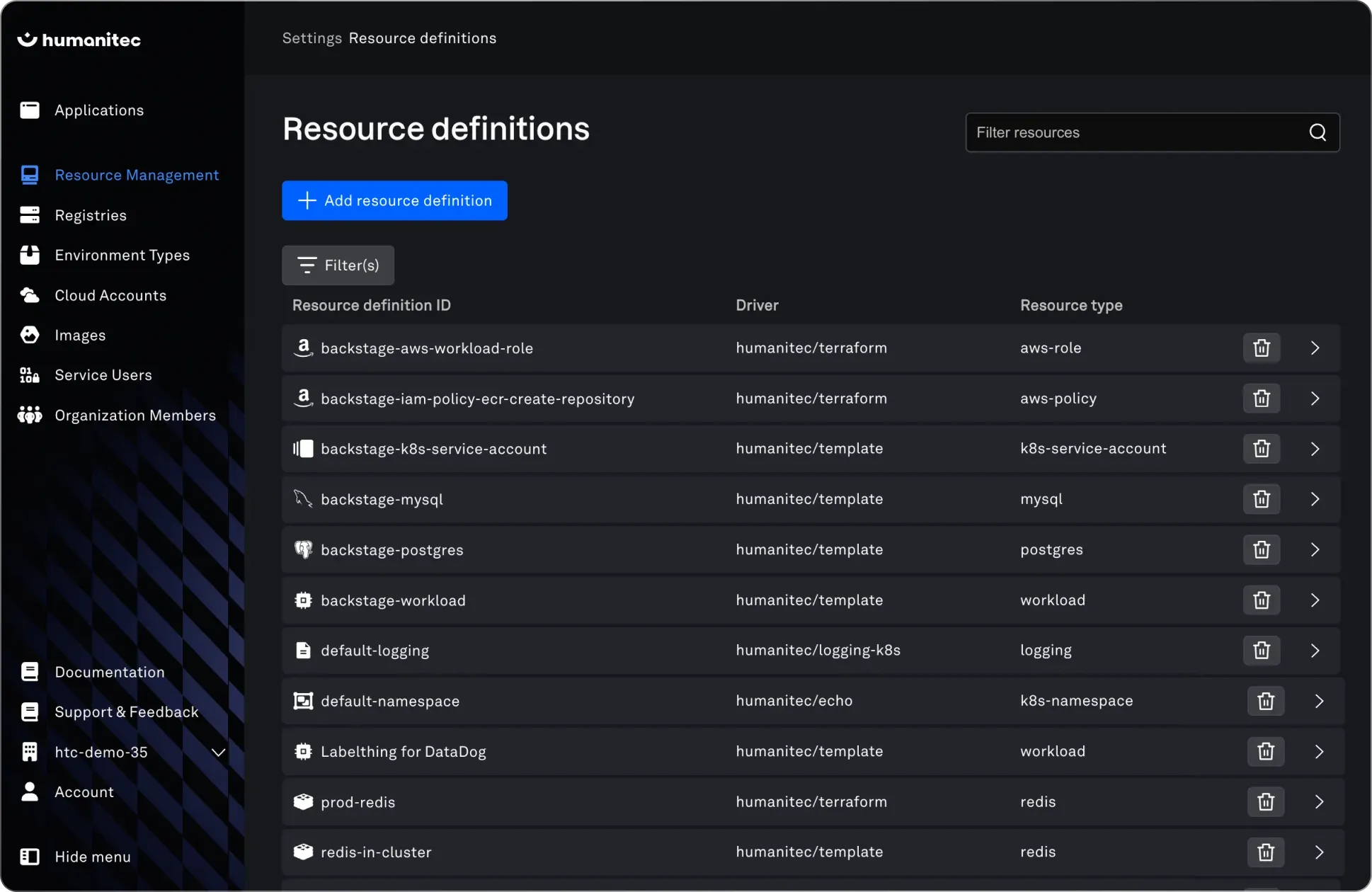
Humanitec provides a platform backend layer to standardize how infrastructure and environments are managed across teams. It introduces a centralized orchestration approach where infrastructure, operations, and developer experience teams interact through a common interface. By using a graph-based orchestration model and reusable resource definitions, it enables consistent environment provisioning and supports building internal developer platforms on top of existing toolchains.
General features include:
- Graph-based platform orchestration: Uses a centralized orchestrator to model and manage infrastructure dependencies and lifecycle
- Reusable resource definitions: Provides preconfigured resource packs for common cloud services across AWS, GCP, Azure, and others
- Integration with existing IaC tools: Works alongside Terraform and other tooling rather than replacing them
- Support for multi-cloud environments: Enables consistent infrastructure management across different cloud providers
- Custom platform interfaces: Allows teams to build developer-facing interfaces on top of the backend platform logic
Enterprise features include:
- Standardized platform backend: Creates a single control layer for infrastructure, operations, and developer teams
- Golden path enablement: Defines scalable, standardized workflows for developers and platform teams
- Reduced configuration overhead: Minimizes the number of configuration files through centralized definitions
- Lower maintenance effort: Central orchestration reduces ongoing operational complexity
- Faster platform rollout: Supports rapid implementation of internal developer platforms using reference architectures

Source: Humanitec
3. Qovery
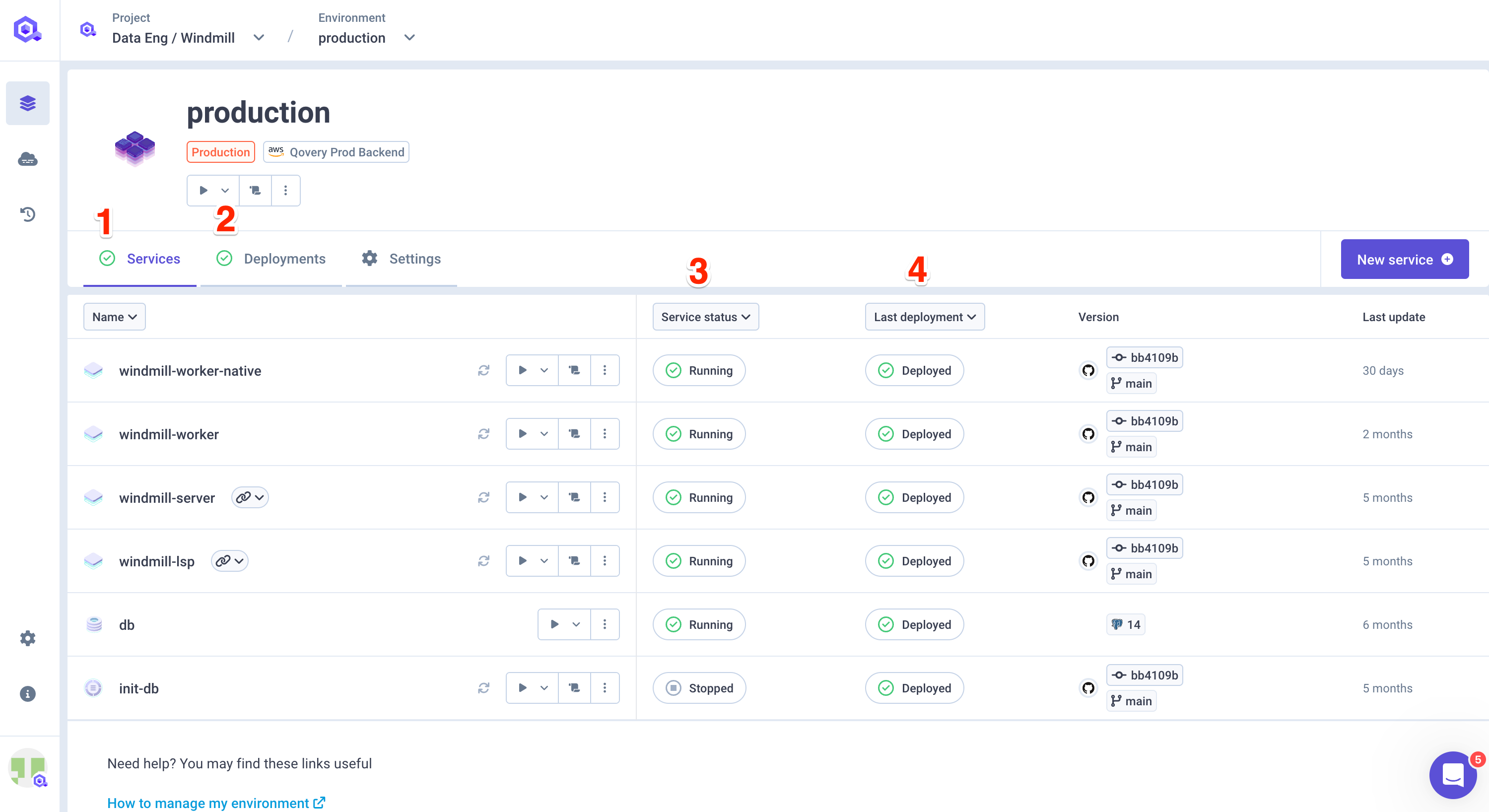
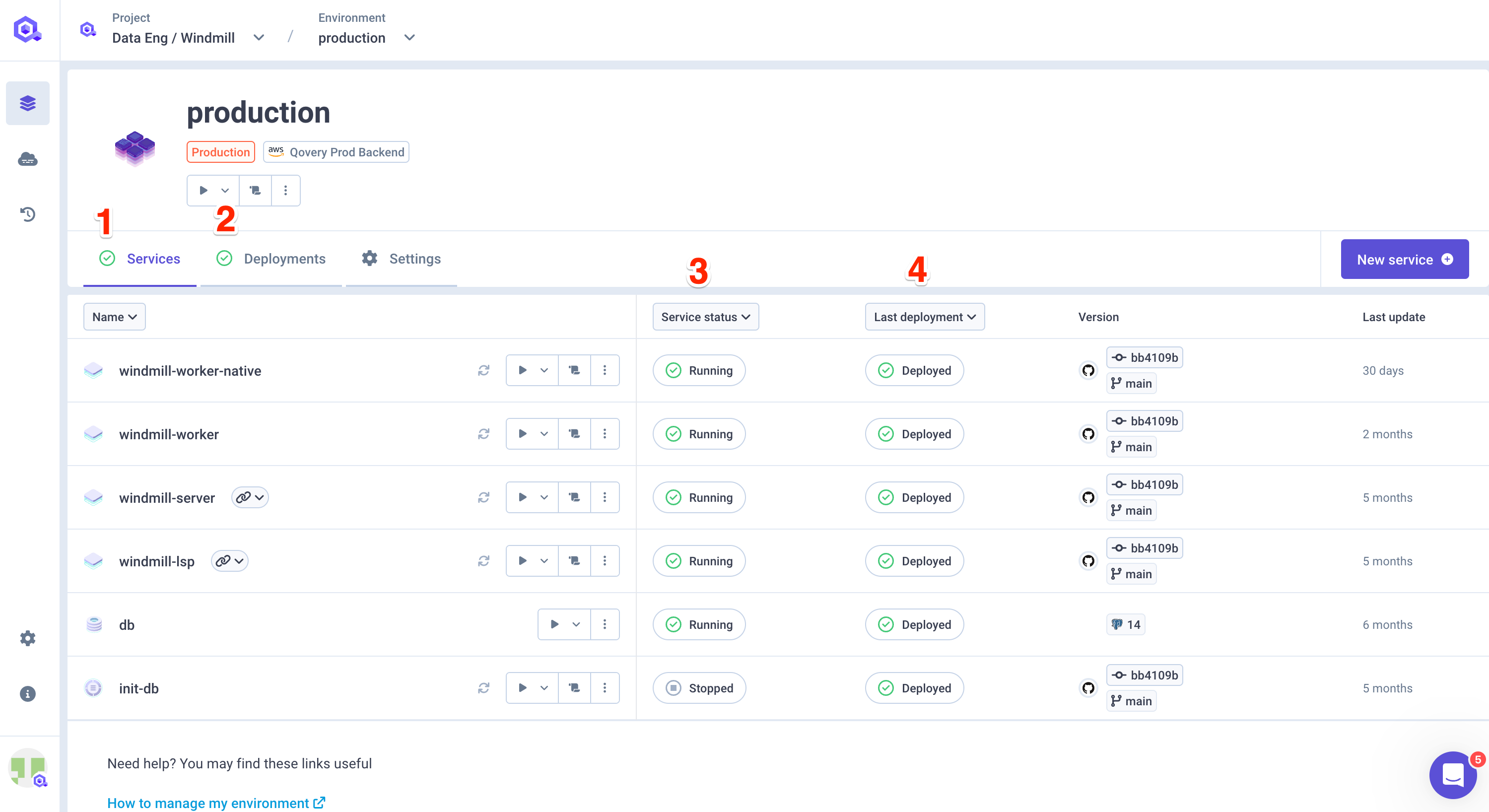
Qovery is a Kubernetes management platform that abstracts infrastructure complexity through a unified control plane. It automates provisioning, deployment, and scaling while integrating CI/CD, observability, and security into a single system. The platform emphasizes reducing manual configuration and simplifying Kubernetes operations, allowing teams to manage environments and applications without deep infrastructure expertise.
General features include:
- Unified control plane: Centralizes infrastructure, deployment, and environment management in one interface
- Automated CI/CD pipelines: Generates and manages build and deployment workflows without manual pipeline configuration
- Kubernetes provisioning automation: Enables one-click infrastructure creation and scaling across environments
- Ephemeral environment support: Creates temporary environments for testing, QA, and feature previews
- Built-in observability: Provides real-time monitoring, performance tracking, and incident visibility
Enterprise features include:
- Integrated security and compliance: Includes RBAC, audit logs, and policy enforcement aligned with standards like SOC 2 and HIPAA
- Cost optimization (FinOps): Supports smart scaling, spot instances, and automated shutdown to control infrastructure costs
- Multi-cloud portability: Works across major cloud providers without locking workloads to proprietary systems
- High availability and auto-scaling: Manages production workloads with built-in resilience and failover
- Reduced operational overhead: Eliminates the need to manage Kubernetes clusters and platform components manually
Source: Qovery
4. Backstage
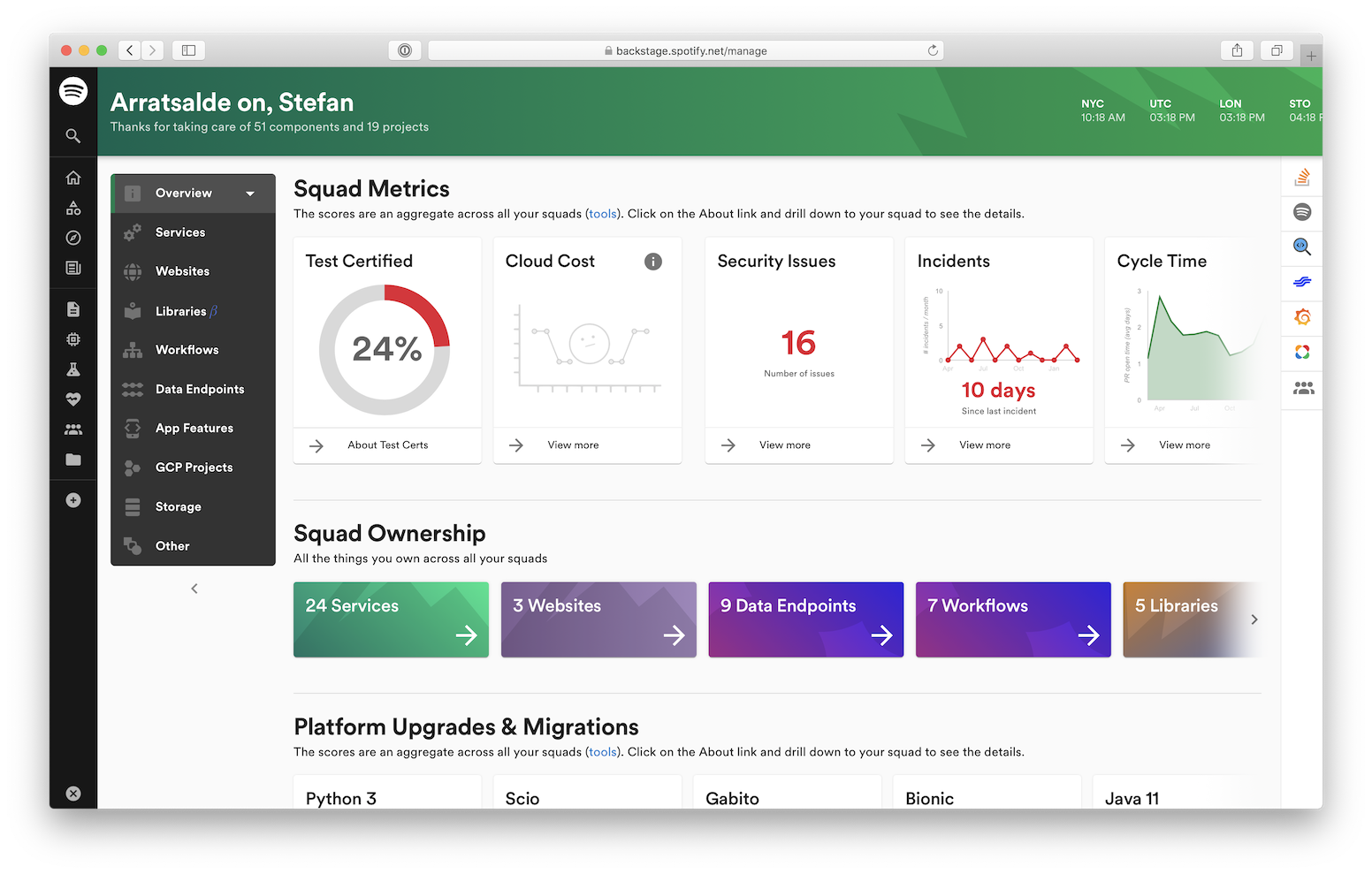
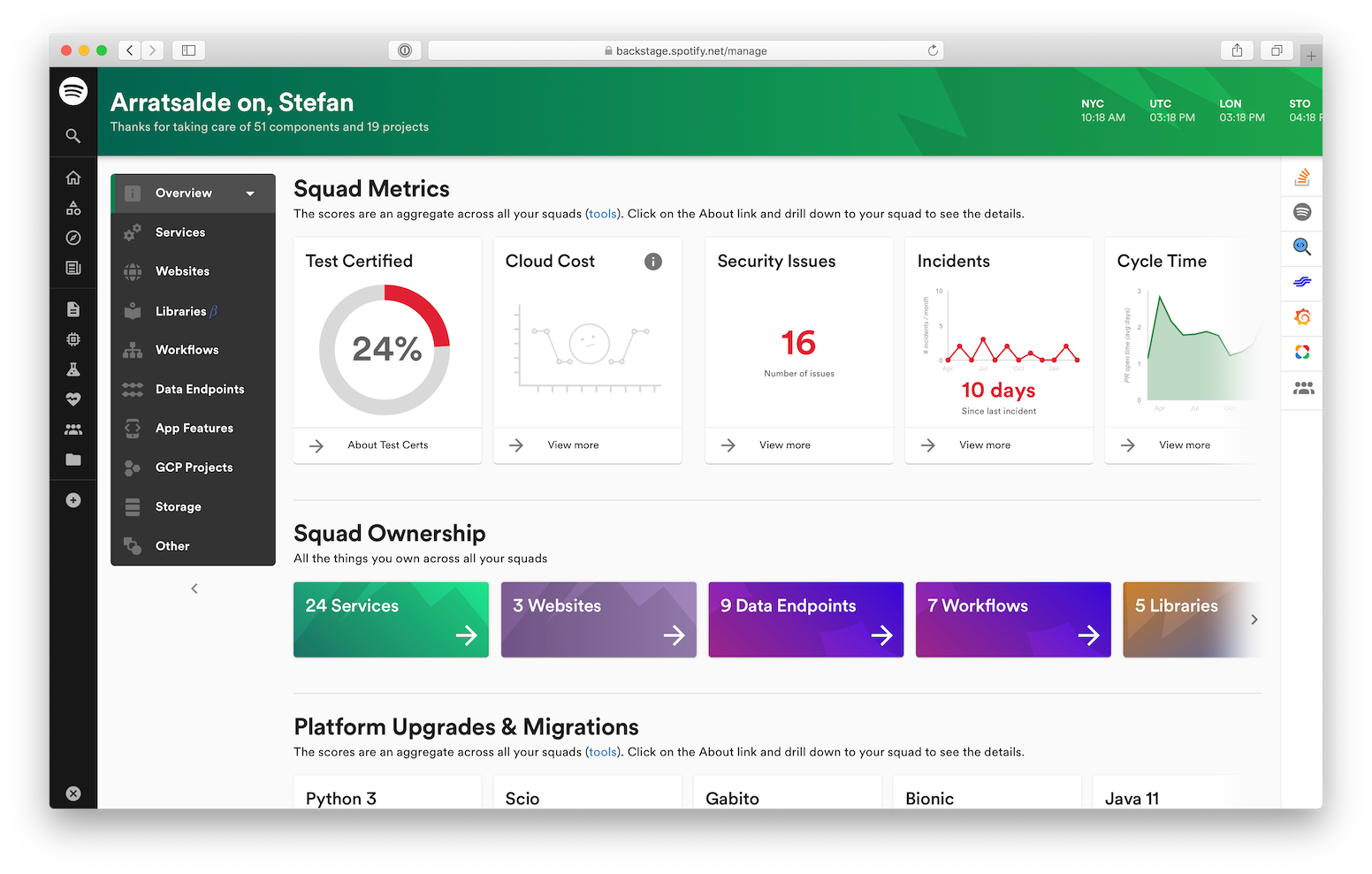
Backstage is an open-source framework for building internal developer portals with a strong focus on service visibility and standardization. It centralizes software assets, documentation, and tooling into a single interface, helping teams manage complex environments. By combining a software catalog, templating system, and plugin architecture, it improves discoverability and enforces consistent development practices across large organizations.
General features include:
- Centralized software catalog: Tracks services, libraries, and resources along with ownership and dependencies
- Software templates: Enables standardized project creation with predefined best practices
- Docs-as-code system: Integrates documentation directly with code using markdown-based workflows
- Unified search platform: Allows teams to search across services, documentation, and external systems
- Plugin architecture: Extends functionality with custom or community-built integrations
Enterprise features include:
- Improved service visibility: Provides a single view of all systems, reducing fragmentation across teams
- Standardization of development workflows: Enforces consistent tooling and practices through templates
- Scalability for large ecosystems: Supports management of thousands of services across teams
- Cloud-agnostic Kubernetes integration: Works across environments using Kubernetes APIs
- Enhanced discoverability and governance: Improves accountability by tracking ownership and system relationships

Source: Backstage
5. Crossplane
Crossplane is a Kubernetes-based control plane framework that enables teams to build custom platform APIs for managing infrastructure and services. It extends Kubernetes with declarative abstractions, allowing teams to define how resources should be created and maintained. By combining composition, managed resources, and automation pipelines, Crossplane supports building fully programmable infrastructure platforms without writing custom controllers.
General features include:
- Custom control plane creation: Allows teams to define APIs to manage infrastructure and applications
- Declarative resource management: Uses desired state configuration to automate provisioning and updates
- Managed resource library: Provides prebuilt resources for managing cloud services and external systems
- Composition engine: Combines multiple resources into higher-level abstractions
- Kubernetes-native integration: Works with existing Kubernetes tools and workflows
Enterprise features include:
- Drift detection and correction: Continuously monitors resources and reconciles them to the desired state
- Reduced need for custom controllers: Eliminates the complexity of building and maintaining Kubernetes controllers
- Reusable platform components: Packages and distributes platform configurations across environments
- Operational workflow automation: Supports scheduled and event-driven tasks through operation pipelines
- Scalable multi-environment management: Enables consistent control planes across regions, services, or teams

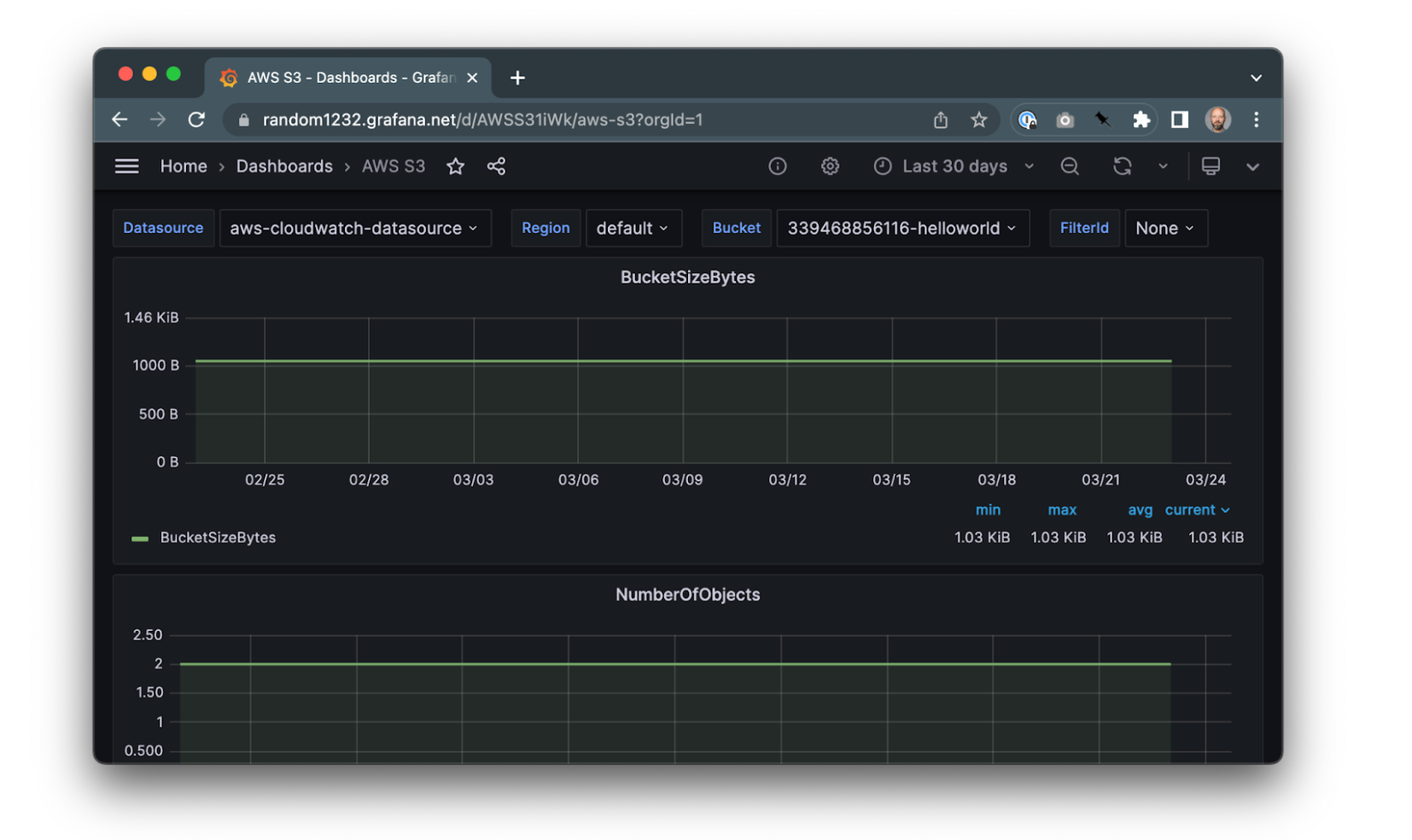
Source: Crossplane
Conclusion
Platform Engineering tools for enterprises provide the automation, governance, and self-service capabilities necessary to scale software delivery without compromising reliability or compliance. By unifying infrastructure management, CI/CD workflows, developer portals, and observability, they enable organizations to reduce operational overhead, accelerate release cycles, and improve developer productivity.
Help us continuously improve
Please let us know if you have any feedback about this page.