What is an internal developer platform?
An internal developer platform (IDP) is a collection of workflows and toolchains that encourage development teams to align their technical infrastructure with their organization’s standards. While an IDP can be as simple as documentation on a wiki, it typically involves smoothing the path for a developer’s work to reach production quickly, safely, and securely and ensuring it runs reliably.
Rather than force a single centralized standard for this technical infrastructure, a platform allows developers to choose from an approved set of options, usually presented as golden paths. This strikes a balance between forcing standards on developers, which limits their ability to improve and innovate, and giving them a free choice, which results in a chaotic technical landscape and cost control problems.
This is part of a series of articles on developer experience.
What does an internal developer platform do?
An internal developer platform is a product aimed at the organization’s developers. It provides self-service access to technical infrastructure and workflows such as deployment pipelines or cloud hosting resources. By choosing one of the golden pathways offered by the internal developer platform, developers should have an easier way to build and run their software, increasing the time they can spend on feature development.
This removes ticket wait times for requesting environments and infrastructure compared to traditional operations. It also contrasts with the “you build it, you run it” strategy, where development teams are entirely responsible for their software. This strategy increases the cognitive load on developers, and limits flow time when operations tasks and incidents disrupt feature development.
These platforms also allow specialized enhancements to be applied across all teams using golden paths, such as simplifying cost control for cloud infrastructure, increasing automated security checks within the build process, and providing easy access to monitoring tools.
Internal developer platform market and trends
Market growth and size
The Internal Developer Platform (IDP) market is expanding rapidly as organizations focus on improving developer productivity and accelerating software delivery. The market is estimated to be around $2–2.5 billion and is projected to reach approximately $10 billion by 2033.
This represents a compound annual growth rate (CAGR) of roughly 25%. The growth reflects increasing demand for platforms that standardize development workflows, automate infrastructure provisioning, and streamline deployment processes.
Key drivers of adoption
One major driver of IDP adoption is the shift toward cloud-native architectures and microservices. These architectures increase operational complexity because applications depend on multiple services and environments. IDPs help manage this complexity by centralizing workflows and infrastructure automation.
Organizations are also placing greater emphasis on developer experience (DX). IDPs provide self-service capabilities that allow developers to provision infrastructure and deploy applications without relying on manual operational processes.
The growing use of DevOps and GitOps practices is another factor. IDPs integrate CI/CD pipelines and deployment automation, enabling faster release cycles and more consistent delivery processes.
Security and governance also contribute to adoption. IDPs centralize access management, security checks, and infrastructure policies, helping organizations maintain compliance while scaling development.
Competitive landscape
The IDP market includes both established vendors and emerging startups. Companies such as Qovery, Appvia, Bunnyshell, mogenius, OpsLevel, Portainer, and Argonaut provide platforms designed to improve developer workflows and infrastructure management.
Market share is distributed across multiple vendors, and the ecosystem continues to evolve as new tools and capabilities emerge. The industry also sees regular mergers and acquisitions, with larger companies acquiring specialized platform engineering tools to expand their offerings.
Core components of an IDP
Internal developer platforms typically include components across 5 categories, development, integration and delivery, monitoring and logging, resources, and security.
Development
The development category includes code editors and version control, which are the tools developers interact with the most. These tool choices are often the focus of developer experience (DevEx) initiatives, though the integration and delivery category is the most impactful investment you can make in DevEx as it accelerates software delivery and crucial feedback loops.
The category also includes any developer portal that surfaces self-service operations developers can consume from the tools and workflows in the internal developer platform. These might include one-click setup for new projects or the ability to self-serve environments and transient environments. Developers may interact with the internal developer platform through a user portal or using APIs or configuration files stored in version control.
Integration and delivery
The integrations and delivery category covers the Continuous Integration and Continuous Delivery (CI/CD) pipeline. While all-in-one tools are on the market, most organizations create a more fully-featured pipeline by using best-in-class tools for builds, test automation, storing artifacts, and automating deployments.
Internal developer platforms can simplify CI/CD pipelines by providing an integrated workflow that meets security, compliance, and change management requirements. Developers can use the pipeline by committing code to version control and spending more time on features rather than configuring their CI/CD pipelines and workflows.
Monitoring and logging
The monitoring and logging category covers the collection, storage, and use of events, logs, and application insights. The platform can make it easier for developers to integrate observability platforms into their applications and services, for example, by providing a library that exposes a simple facade over the selected tools.
The internal developer platform can also apply sensible archiving and retention policies to control the costs of storing large volumes of observability data. Giving developers a self-service way to increase log verbosity temporarily during an incident can keep costs lower during regular operation.
Resources
The resource category includes compute, cluster management, networking, and data. The internal developer platform can provide self-service provisioning and scaling, removing the wait times associated with opening operations tickets. Infrastructure automation removes the manual effort of environment configuration.
Additionally, self-service features allow developers to launch and modify environments on demand, accelerating experimentation and iteration. Standardized templates and automation mean teams can consistently deploy applications, reducing error rates. This allows engineers to focus more on feature development and less on infrastructure issues.
Security
The security category includes secrets management, dedicated security tools, code and container vulnerability scanning, and policy-based controls. These tools can operate in concert with other categories. For example, code scanning is usually included as part of the build process in the CI/CD pipeline.
Including security needs in the internal developer platform reduces developers’ compliance burden and makes software more secure. Opportunities to increase security and improve practices can be amplified as the platform applies them consistently across all development teams using golden paths.
Benefits of an internal developer platform
An internal developer platform that focuses on solving the needs of developers will improve software delivery performance, reduce burnout, and bring standardization benefits to the organization.
Key benefits include:
- Accelerated development cycles: IDPs reduce developers’ time setting up and managing infrastructure by providing pre-configured environments and automation. Developers can quickly access resources and focus on building and delivering features, leading to faster iteration and deployment.
- Improved collaboration: IDPs centralize tools and processes to create a unified workspace for development teams. This reduces friction between developers and operations teams, fostering better collaboration and smoother workflows.
- Enhanced productivity: Self-service capabilities and standardized processes empower developers to manage environments and deployments independently. This reduces the reliance on operations teams and minimizes bottlenecks, significantly boosting productivity.
- Consistency and reliability: Standardized templates and automated workflows ensure consistency across environments and deployments. This minimizes errors, reduces configuration drift, and improves the reliability of applications in production.
- Cost optimization: Transparency into resource usage provided by IDPs allows teams to monitor and optimize infrastructure costs. Developers can avoid over-provisioning resources and align usage with project needs, ensuring efficient budget use.
- Improved application quality: Integrated testing, monitoring, and validation tools within an IDP help maintain high code quality. Teams can catch and resolve issues early in the development lifecycle, leading to more stable and performant applications.
- Scalability and flexibility: IDPs simplify scaling applications and environments as organizational needs evolve. Whether scaling up during peak usage or replicating environments for new projects, IDPs streamline the process without adding operational complexity.

Tony Kelly is a DevOps marketing leader who drives innovation and awareness of the latest trends in Continuous Delivery.
Notable internal developer platforms
Developer platform tooling and platform operations tools
1. Qovery
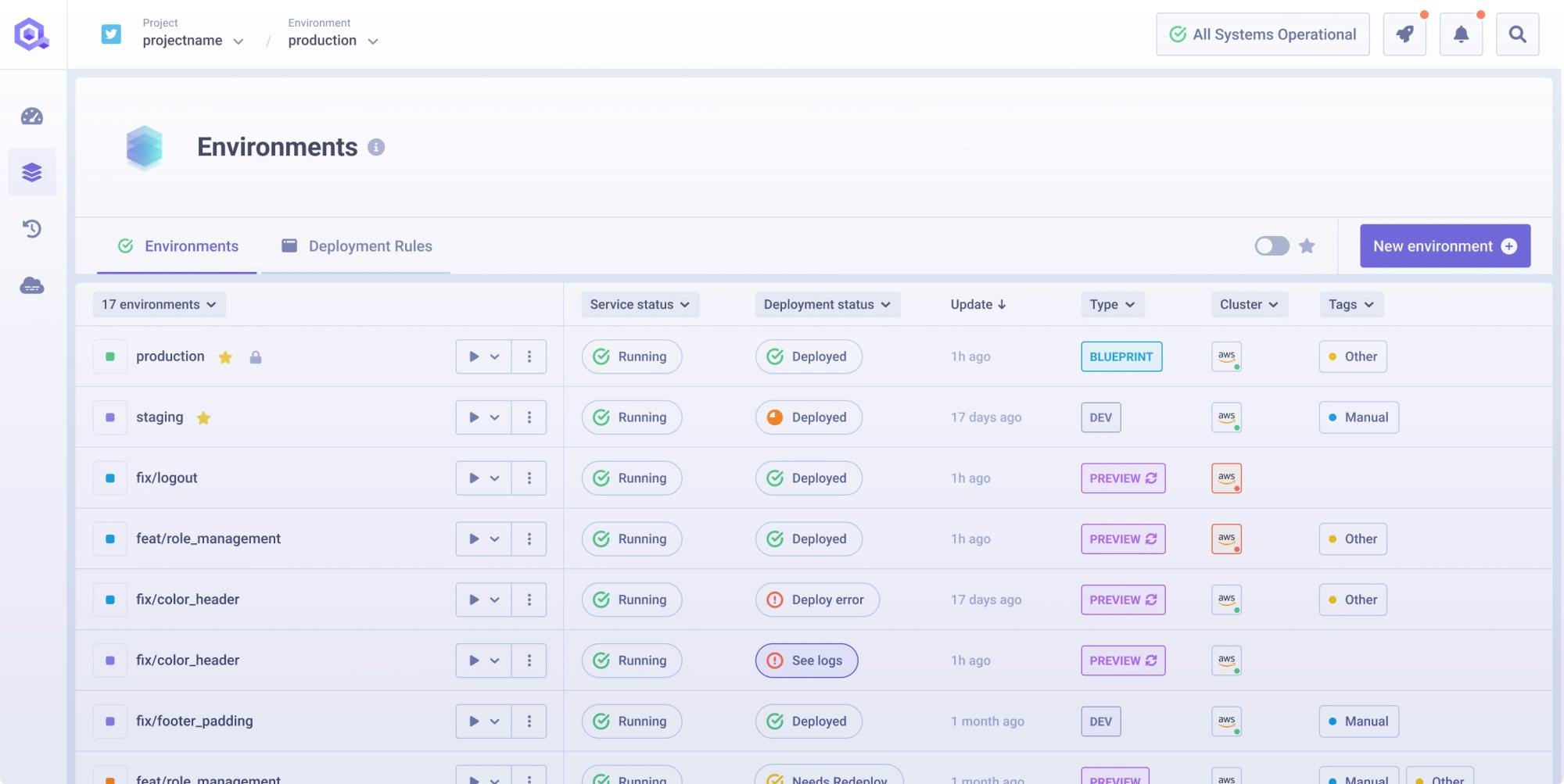
Qovery is a Kubernetes management platform that provides a centralized control plane for managing infrastructure, application deployments, and development environments. It helps development teams simplify complex Kubernetes operations by automating infrastructure provisioning, deployment pipelines, and operational tasks while integrating with existing development tools.
Key features include:
- Unified Kubernetes control plane: Provides a centralized platform for managing Kubernetes infrastructure, deployments, and operational workflows.
- Automated infrastructure provisioning: Allows teams to quickly create production-ready environments and clusters without manual configuration.
- Integrated deployment pipelines: Automatically generates deployment pipelines to move code from commit to production.
- Cost optimization tools: Includes scaling mechanisms and infrastructure optimization features to reduce unnecessary resource usage.
- Security and policy controls: Supports access management, audit logs, and policy enforcement to maintain secure infrastructure operations.
- Observability and monitoring: Provides tools for monitoring system performance, tracking incidents, and analyzing operational metrics.
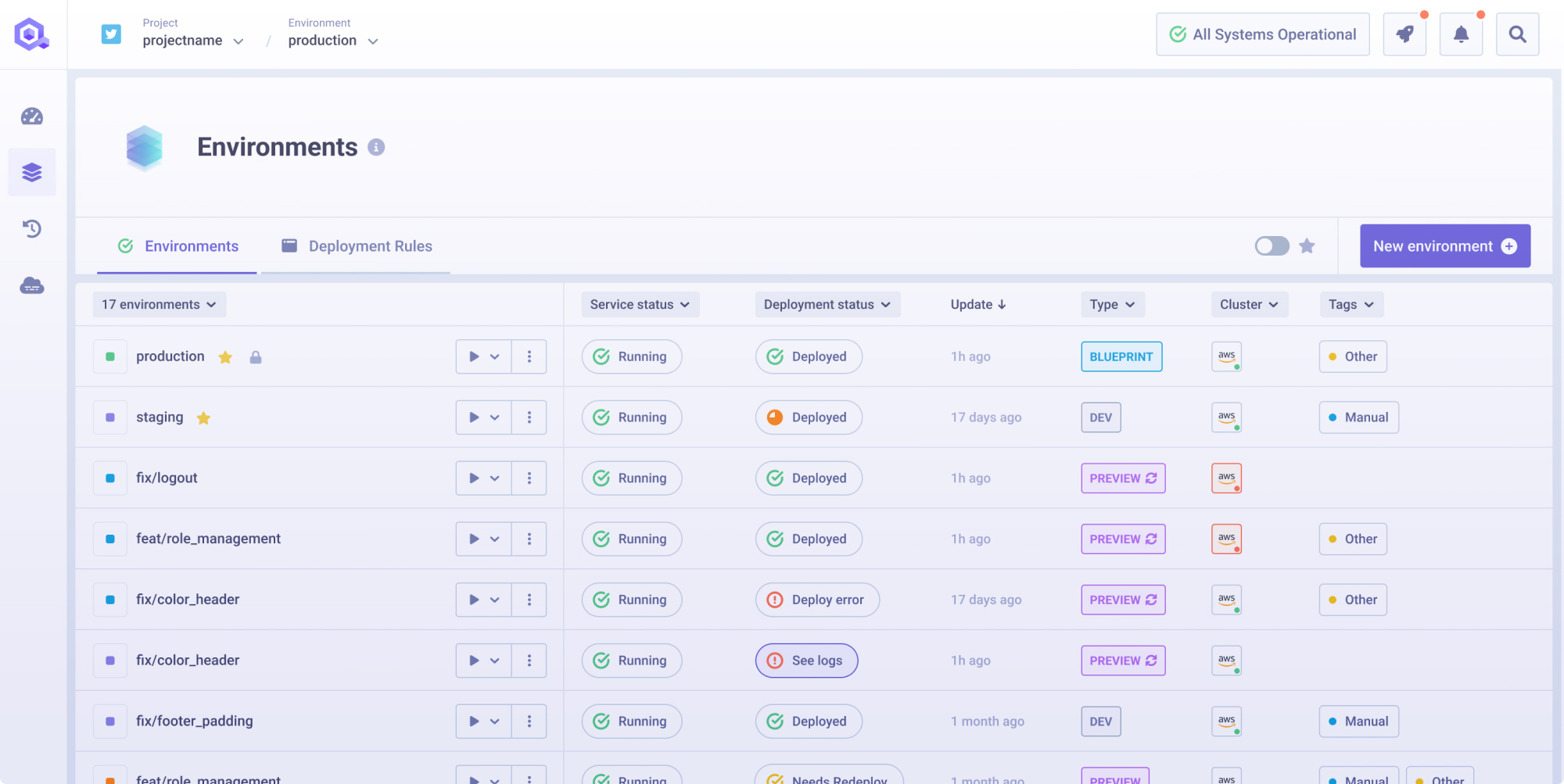
Source: Qovery
2. OpsLevel
OpsLevel is an internal developer portal that provides centralized visibility into an organization’s software ecosystem. It aggregates information from development tools and infrastructure platforms to create a comprehensive catalog of services, enabling teams to understand service ownership, track standards compliance, and automate development workflows.
Key features include:
- Software catalog management: Automatically builds a catalog of services, APIs, and components by integrating with existing development tools.
- AI-powered catalog enrichment: Uses automation to detect services and enrich catalog data with ownership details, documentation, and metadata.
- Engineering standards enforcement: Enables organizations to define and track service quality standards using automated checks and scorecards.
- Self-service workflows: Allows developers to trigger operational actions and workflows through the portal.
- Toolchain integrations: Connects with engineering tools such as GitHub, cloud platforms, monitoring systems, and incident management tools.
- Role-based access control: Supports granular access permissions to manage who can view or modify resources within the platform.

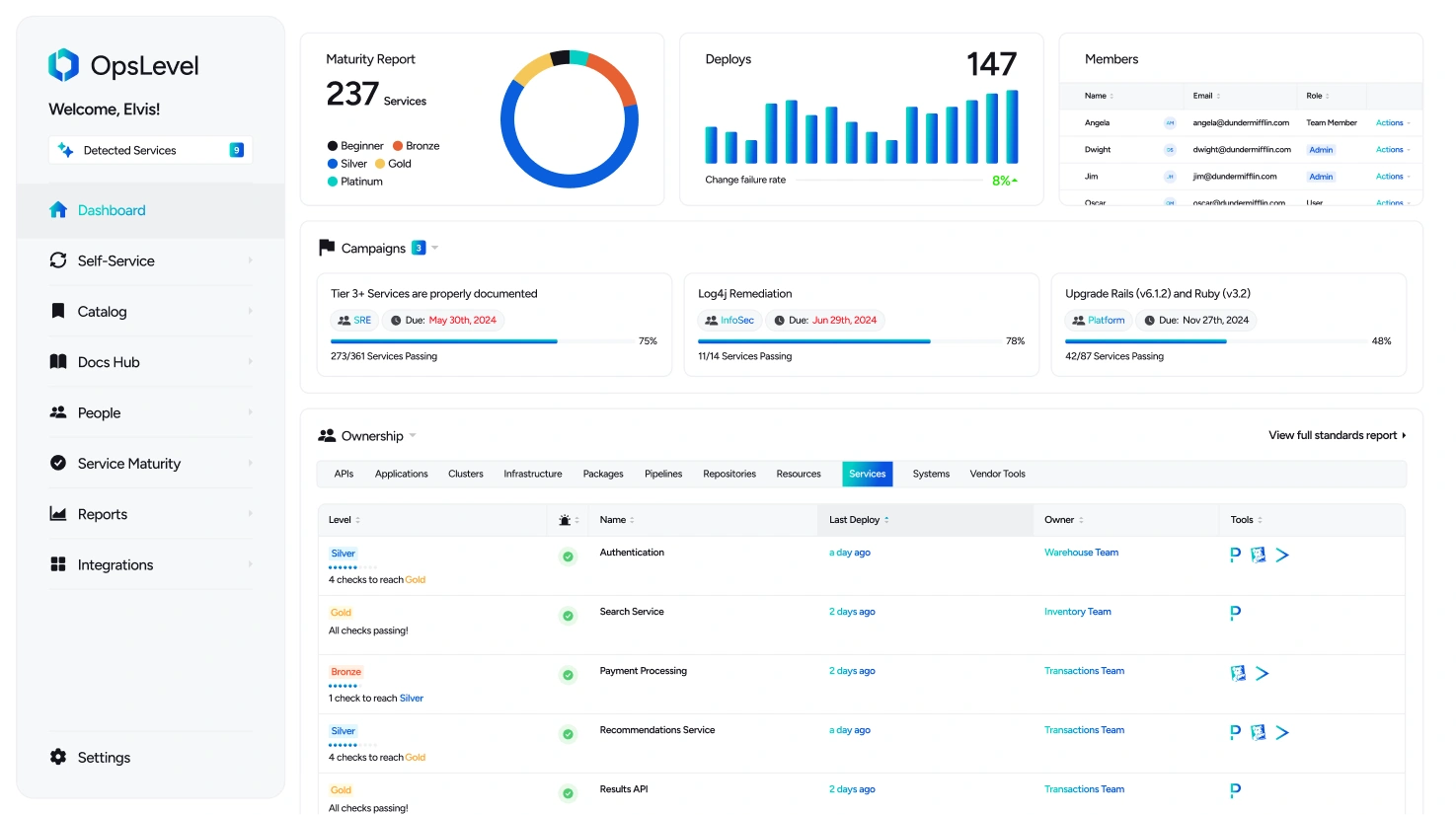
Source: OpsLevel
3. Portainer
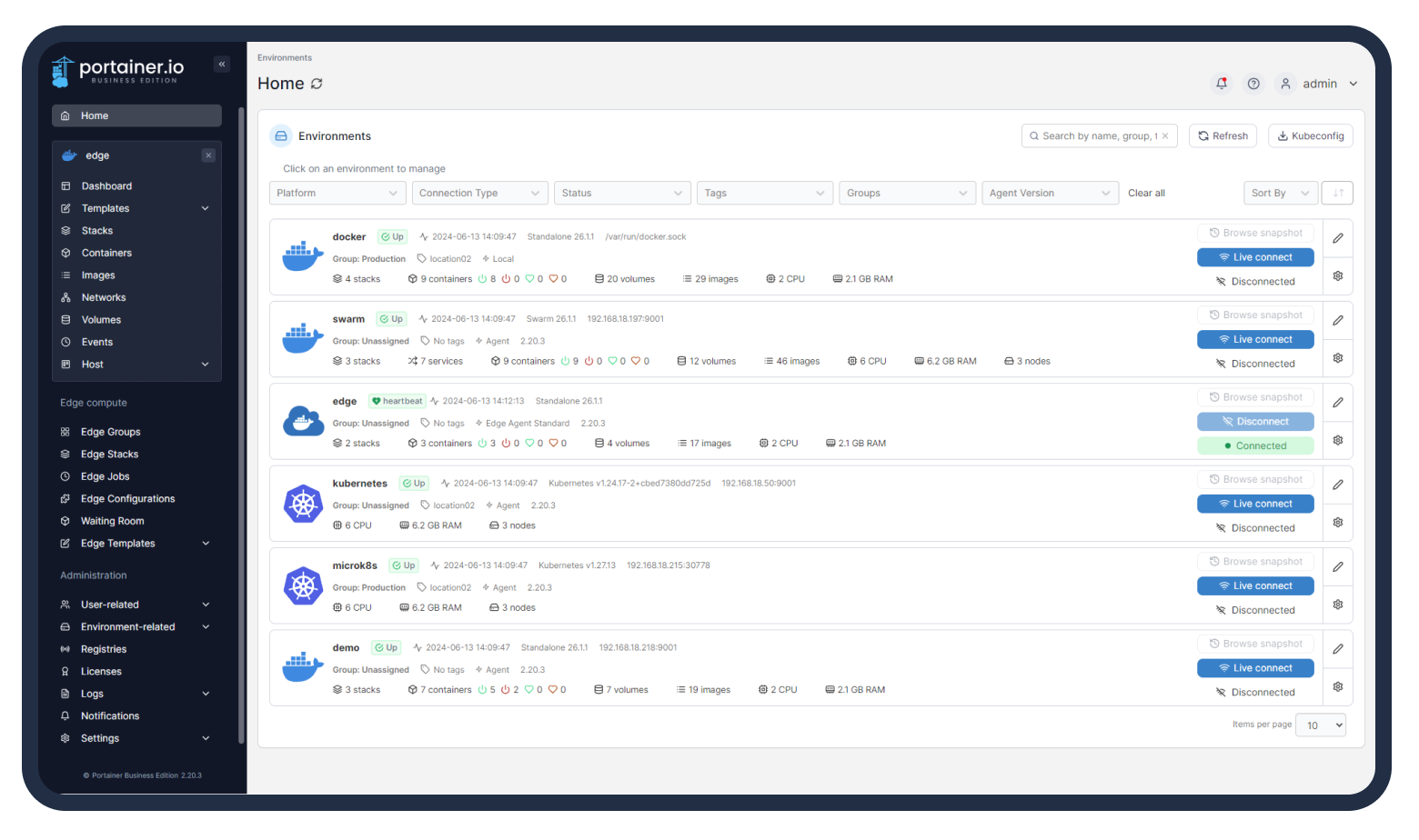
Portainer is a container management platform that provides centralized control for managing containerized environments across Kubernetes, Docker, and Podman infrastructures. It simplifies container operations by providing a management interface that enables teams to deploy, monitor, and govern container workloads across multi-cloud, on-premises, and edge environments.
Key features include:
- Multi-cluster container management: Enables centralized management of container environments across Kubernetes, Docker, and Podman clusters.
- Policy-based governance: Allows administrators to define security, configuration, and operational policies that apply across environments.
- Identity and access management: Provides role-based access control and identity integrations to enforce least-privilege access.
- GitOps automation: Supports automated application deployments using Git-based workflows.
- Enterprise-scale fleet management: Enables management of large numbers of clusters and remote environments through a single interface.
- Cloud-agnostic deployment: Supports deployments across on-premises infrastructure, public clouds, and edge systems without vendor lock-in.
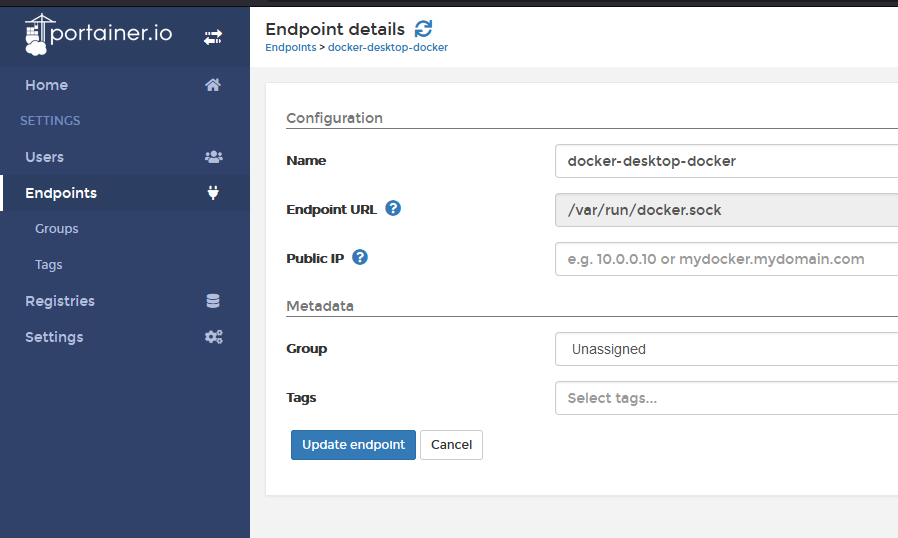
Source: Portainer
Internal developer platform builders
4. Humanitec
Humanitec is a platform engineering solution to orchestrate infrastructure provisioning and enforce operational standards across development environments. It acts as a governance and orchestration layer between developer requests and infrastructure resources, ensuring that deployments follow predefined security, compliance, and cost policies.
Key features include:
- Infrastructure orchestration layer: Coordinates infrastructure provisioning requests across multiple environments and platforms.
- Policy enforcement: Ensures that deployments follow organizational rules related to security, cost, and compliance.
- Progressive rollout support: Allows infrastructure changes to be deployed incrementally to reduce operational risk.
- Impact analysis capabilities: Identifies affected systems when configuration changes occur.
- Automated rollback mechanisms: Enables rapid restoration of infrastructure to a previous stable state.
- Ephemeral environment provisioning: Supports temporary environments for testing and validation during development workflows.

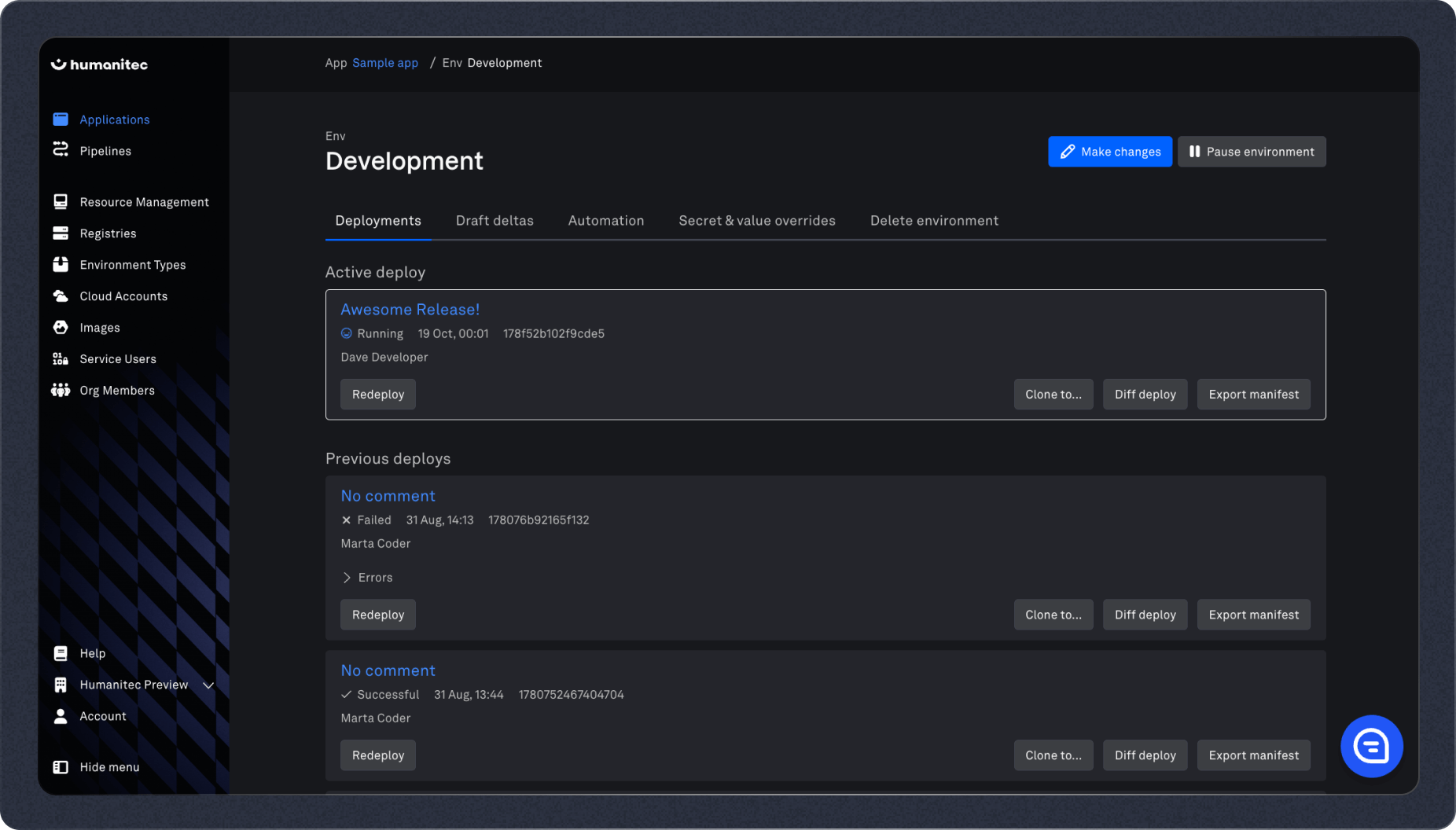
Source: Humanitec
5. Coherence
Coherence is a distributed in-memory data grid that supports high-performance, scalable applications by storing frequently accessed data in memory. It enables applications to process and retrieve data with low latency while supporting distributed computing, event-driven architectures, and scalable microservices deployments.
Key features include:
- Low-latency in-memory data storage: Stores frequently accessed data in distributed key-value structures for rapid retrieval.
- Elastic scalability: Supports clustered architectures that allow applications to scale data access and processing across multiple nodes.
- Parallel in-memory processing: Enables distributed computation directly within the data grid to improve performance.
- Event-driven messaging: Provides event models and messaging mechanisms for building scalable event-driven systems.
- Data source integration: Synchronizes data with external databases and storage systems through backing maps.
- Multi-site federation: Synchronizes data across clusters in different geographic locations to improve availability and redundancy.

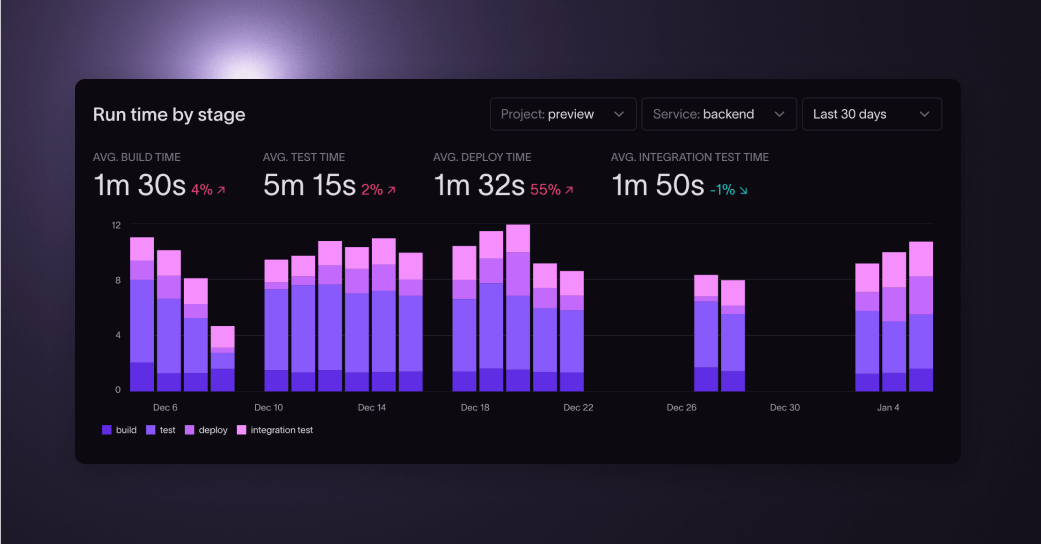
Source: Coherence
6. Mia Platform
Mia-Platform is a cloud-native platform builder to help organizations create internal developer platforms and manage the lifecycle of modern applications. It provides tools that simplify application development, automate deployment processes, and standardize workflows across development teams.
Key features include:
- Self-service development workflows: Enables developers to build applications using predefined templates and reusable components.
- Microservices development tools: Supports the design, deployment, and management of microservice-based architectures.
- Software catalog and reusable components: Provides a catalog of runtime components, plugins, and templates to accelerate development.
- Automated deployment management: Supports deployment automation across multi-cloud and on-premises environments.
- API management capabilities: Provides tools to manage APIs, enforce security policies, and control access to services.
- Data integration architecture: Enables real-time data integration and unified data access through a digital integration hub.

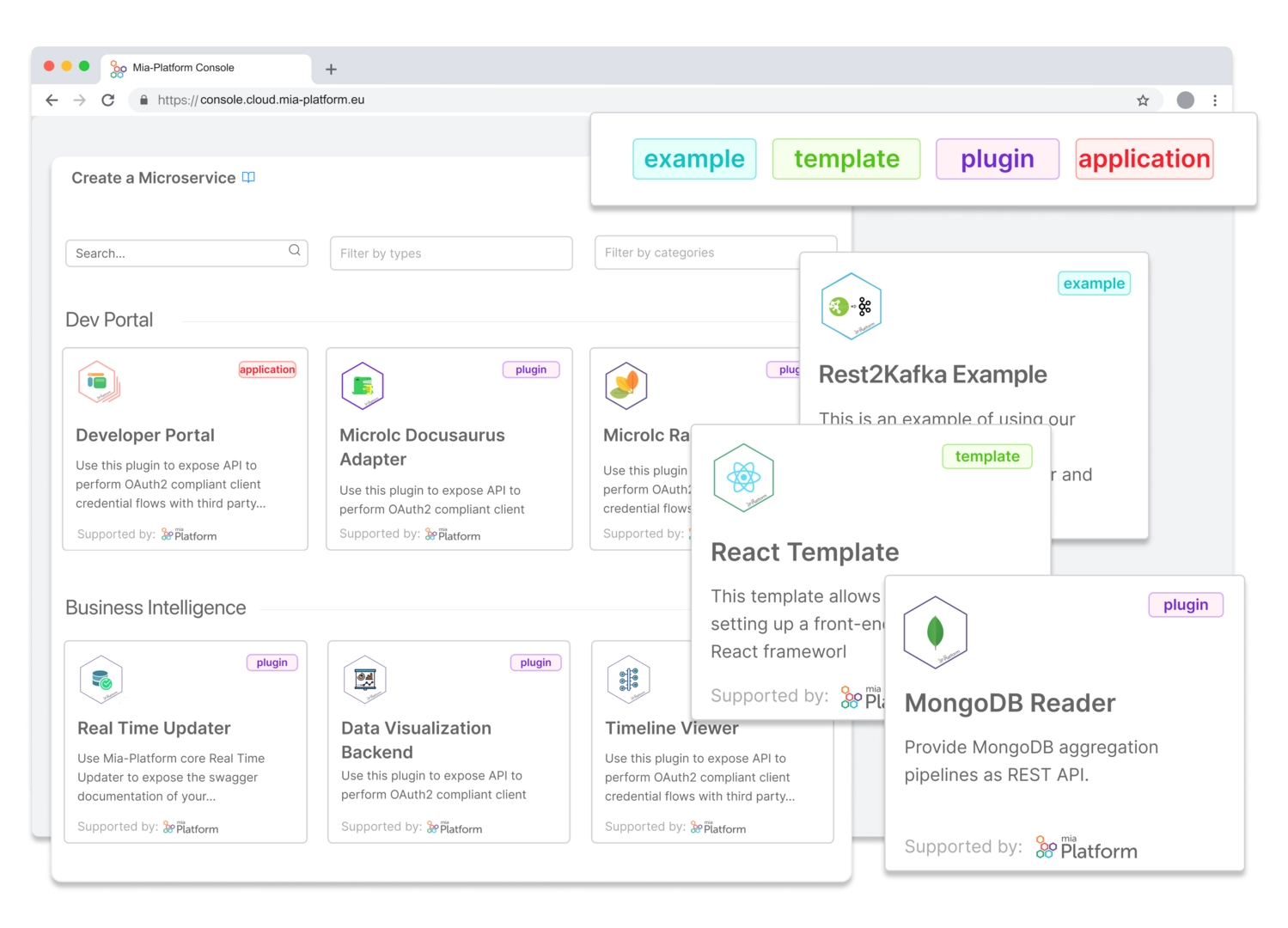
Source: Mia Platform
7. Appvia Wayfinder
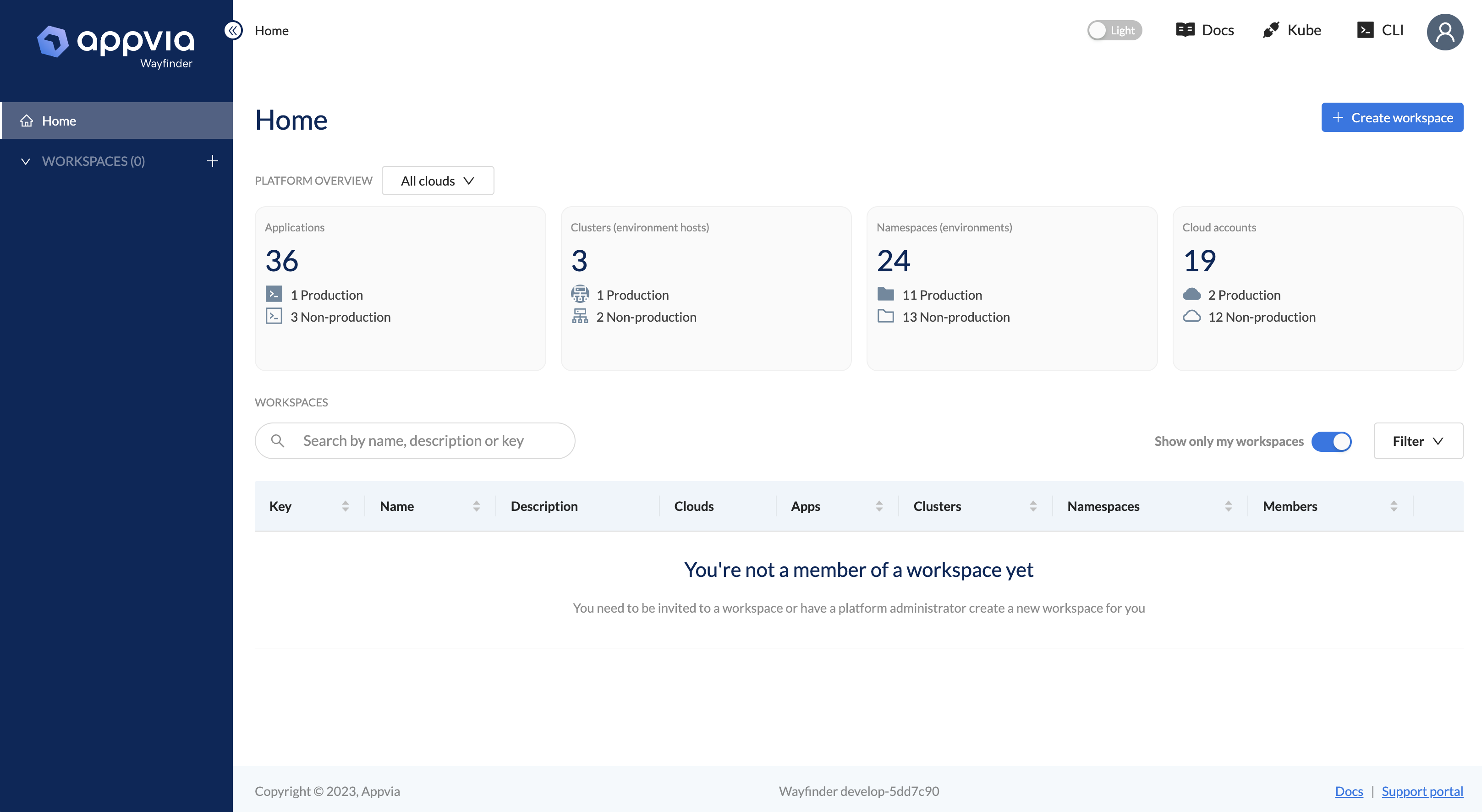
Appvia Wayfinder is a developer self-service platform that enables organizations to build standardized internal developer platforms across multiple cloud environments. It allows platform teams to provide developers with controlled access to infrastructure and deployment workflows while maintaining governance and operational standards.
Key features include:
- Self-service cloud infrastructure: Allows developers to provision environments and resources without relying on centralized operations teams.
- Policy-driven platform governance: Enforces security, cost, and operational policies during infrastructure provisioning.
- Environment lifecycle management: Supports creation and management of both short-lived and long-lived development environments.
- Infrastructure isolation: Ensures workloads and data remain separated across environments for security and compliance.
- Terraform integration: Enables infrastructure provisioning through reusable Terraform modules.
- Toolchain integrations: Connects with existing development tools to maintain consistent workflows across engineering teams.

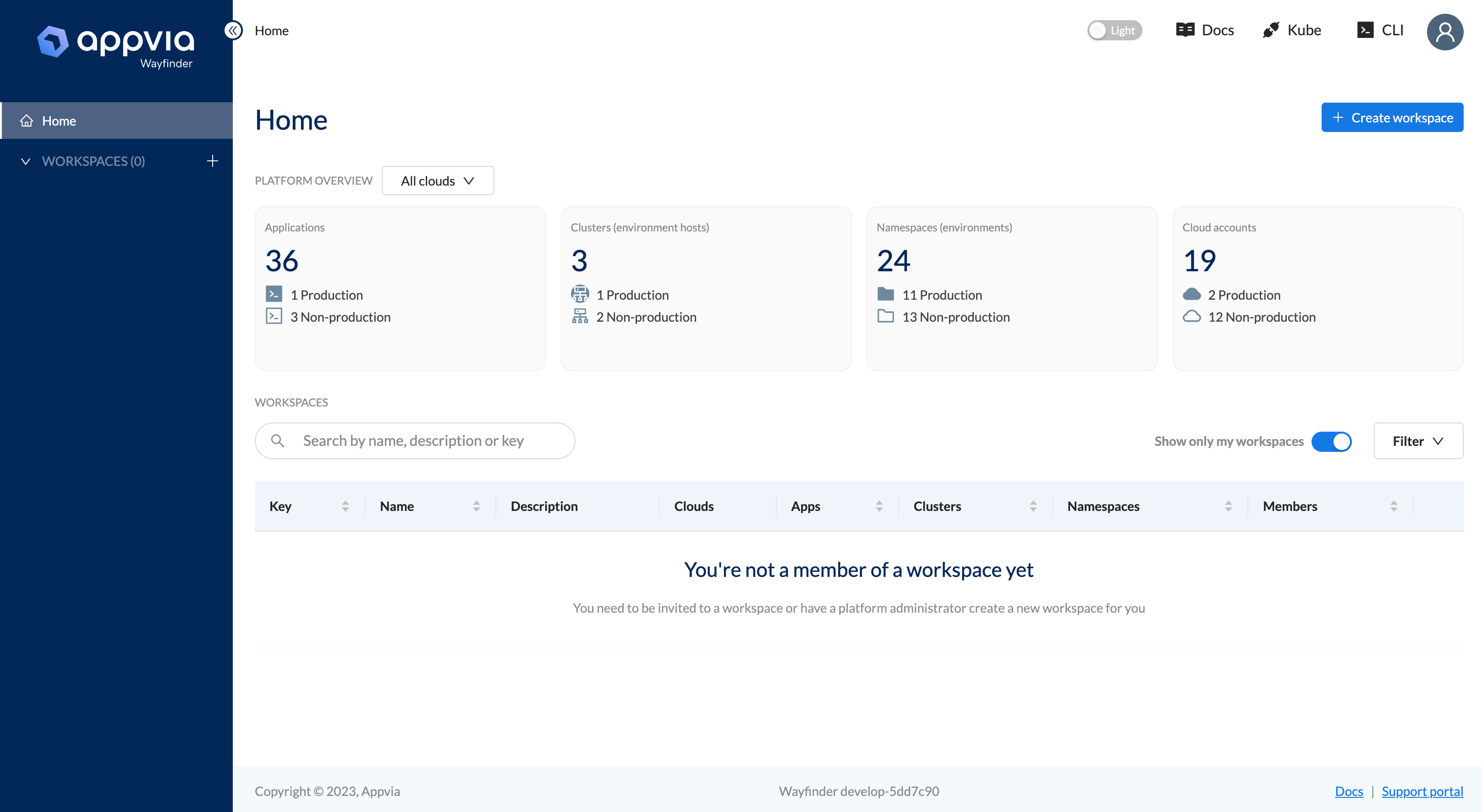
Source: Appvia
Octopus: Deployment automation, environment progression, and self-service runbooks for IDPs
Octopus is a perfect choice for the integration and delivery section of your internal developer platform. It provides best-in-class deployment automation that simplifies the most complex part of your CI/CD pipeline. Additionally, Octopus can orchestrate infrastructure as code tasks and call resource APIs. Octopus Runbooks can be used to provide self-service push-button features for developers with role-based access control and a full audit trail.
We empower Platform Engineering teams to enhance the Developer Experience (DevEx) while upholding governance, risk, and compliance (GRC). Additionally, we are dedicated to supporting the developer community through contributions to open-source projects like Argo within the CNCF and other initiatives to advance software delivery and operations.
Get started with Octopus
Make complex deployments simple
Help us continuously improve
Please let us know if you have any feedback about this page.