What are Kubernetes CI/CD platforms?
Kubernetes CI/CD platforms automate the lifecycle of containerized applications, promoting Continuous Integration and Continuous Delivery (CI/CD) within a Kubernetes ecosystem. These platforms simplify application deployments, improve productivity, and improve adaptability by managing and automating the build, test, and deployment processes.
By integrating with Kubernetes, they allow for rapid scaling, easy management of microservices architectures, and enable efficient tracking of application performance. The use of Kubernetes CI/CD platforms ensures that releases are consistent and reliable, mitigating manual errors and enabling faster release cycles.
These tools manage workloads, provide monitoring, and aid in the automated rollback of deployments if necessary, ensuring high availability and resilience of applications. By using CI/CD tools within Kubernetes, developers can focus more on coding and less on managing environments and deployments.
Understanding the Kubernetes market and trends
The Kubernetes market is expanding rapidly as organizations adopt container orchestration for modern application infrastructure. The market is projected to grow from USD 3.13 billion to reach USD 8.41 billion by 2031, reflecting a 21.85% compound annual growth rate (CAGR).
Several technology trends are accelerating Kubernetes adoption.
One of the biggest drivers is the shift from monolithic applications to microservices architectures. Organizations increasingly design applications as smaller, independent services that require orchestration, scaling, and automated deployment. Kubernetes provides the tools needed to manage these distributed services efficiently.
Another key driver is the growth of AI and machine learning workloads. Kubernetes supports features such as node autoscaling, GPU scheduling, and resilient service management, making it suitable for compute-intensive AI pipelines. As more enterprises deploy machine learning models in production, Kubernetes becomes an important infrastructure layer.
Hybrid and multi-cloud strategies also contribute to market expansion. Many companies run workloads across multiple public clouds and private infrastructure. Kubernetes enables portability and centralized control across these environments, making it easier to manage distributed applications.
Challenges impacting Kubernetes adoption
Despite strong growth, Kubernetes adoption faces several challenges.
One major barrier is the shortage of skilled professionals with expertise in Kubernetes, DevOps, and DevSecOps. Many organizations struggle to manage clusters effectively due to the platform’s operational complexity.
Security is another concern. Kubernetes environments can be difficult to secure, and exposed clusters may quickly attract automated attacks. As a result, organizations increasingly implement zero-trust security models, network policies, and continuous vulnerability scanning to protect their containerized workloads.
These challenges are driving investment in automation, platform engineering, and managed services across the Kubernetes ecosystem.
Key features of Kubernetes CI/CD platforms
CI/CD platforms that work well with Kubernetes typically offer the following capabilities.
Containerization support
Kubernetes CI/CD platforms support containerization by building container images as a step in their pipelines. This ensures that applications are packaged consistently across environments, reducing deployment discrepancies. By using container orchestration through Kubernetes, CI/CD platforms handle dependencies, ensuring uniformity across development, testing, and production stages.
Another vital feature is the inclusion of tools that manage container lifecycles, such as integrating Docker or other container engines. As applications evolve, CI/CD platforms update container images systematically, ensuring that the latest changes are always packaged and ready for deployment.
Scalability and resource management
Kubernetes CI/CD platforms allow applications to expand resources as needed without manual intervention. Using Kubernetes’ ability to distribute workloads across pods, CI/CD platforms ensure that applications dynamically adapt to workloads. This ensures resource optimization, preventing outages or slowdowns due to sudden spikes in usage.
Resource management is also optimized through features like automated deployment scaling, where workloads are assigned only the necessary resources, reducing waste and costs. Kubernetes CI/CD platforms monitor system performance and adjust resources accordingly, ensuring applications run efficiently, even during peak times.
Automated deployment and rollbacks
Through well-defined pipelines, these tools enable code integration and deployment, reducing human intervention and potential error rates. Automated deployments ensure that application updates are consistent, minimizing disruption while speeding up the release cycle.
In addition, automated rollback capabilities protect application stability by reverting to the previous stable version if a new release fails or behaves unexpectedly. This ensures consistent uptime and fosters a development environment where teams can release changes confidently. Such rollback processes reduce downtime, ensure reliability, and improve user experience.
Integration with version control systems
Kubernetes CI/CD platforms integrate directly with version control systems (VCS), enabling code tracking and change management. This integration allows for automated builds and deployments every time a change is committed, ensuring that updates are thoroughly tested and ready for production.
Such integration reduces manual handling, increasing developer productivity and encouraging collaboration across teams. These platforms also improve audit trails, as every change made in the VCS is tracked, allowing teams to understand what modifications were made, by whom, and when. This history aids in diagnosing issues and rolling back changes if necessary.
Security and compliance
Integrated security checks and compliance measures ensure that code adheres to enterprise and industry standards. By embedding security checks within the development pipeline, these platforms help identify vulnerabilities early, reducing potential attack vectors and improving overall application security.
Compliance features, such as policy enforcement and audit reports, keep deployments aligned with regulatory standards. Regular audits and security assessments are automated, ensuring that applications meet compliance requirements without impeding development velocity.
Popular Kubernetes CI/CD platforms
1. Octopus
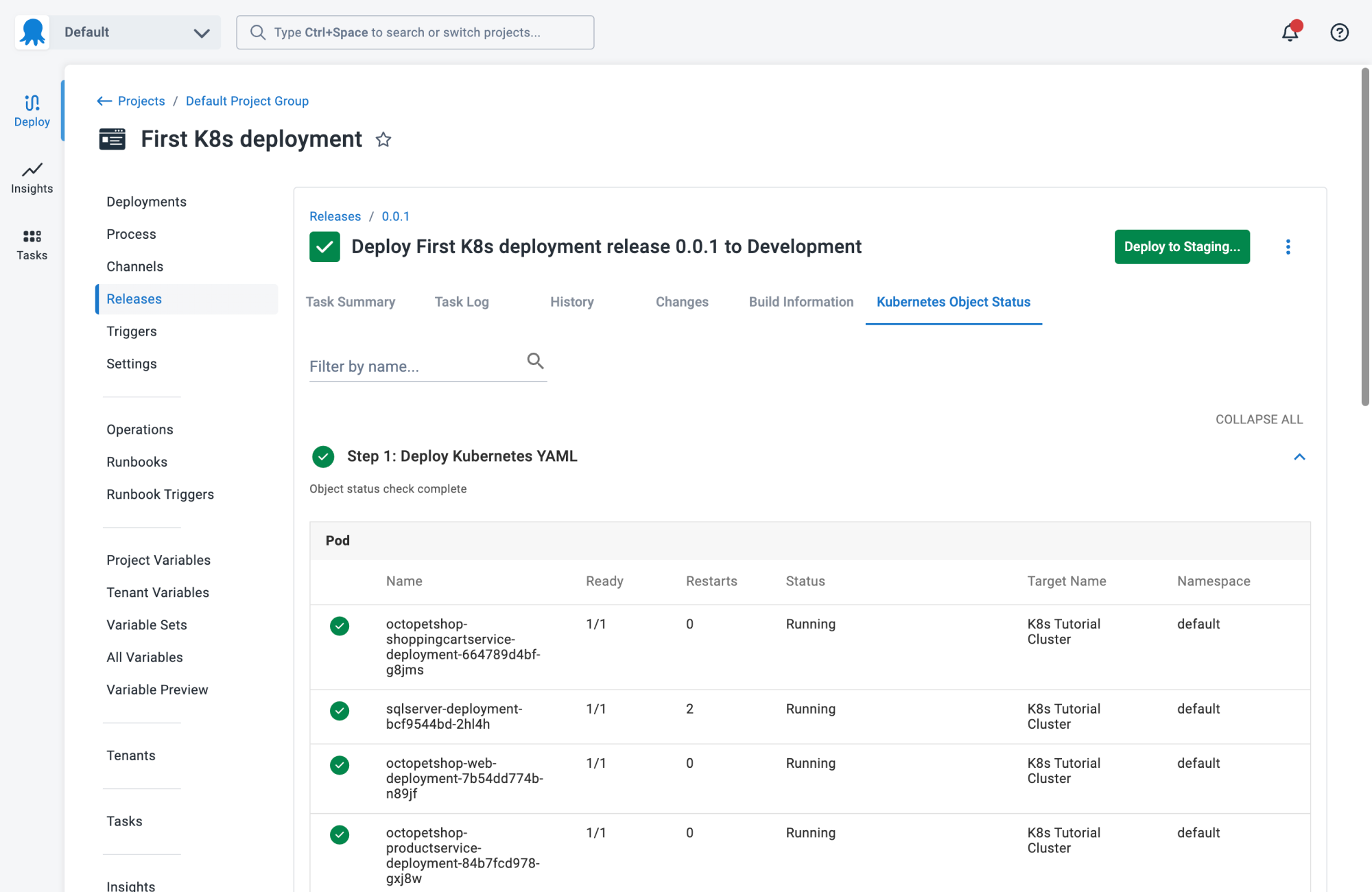
Octopus Deploy is an enterprise-grade Continuous Delivery (CD) platform designed for modern development teams. It delivers comprehensive release orchestration, deployment automation, and operational runbook capabilities that meet the demanding scale, complexity, and governance requirements of large enterprises facing intricate deployment scenarios.
Key features include:
- Consistent, confident deployments: Octopus enables identical deployment processes across every environment, ensuring production deployments carry the same reliability as development releases. Integrated rollback mechanisms provide instant recovery to previous application versions when needed.
- Multi-tenant deployment excellence: As the only CD platform with native multi-tenancy architecture, Octopus seamlessly scales from a handful to thousands of customer deployments without process duplication or complexity overhead.
- Unified DevOps automation hub: Runbook automation handles both scheduled maintenance tasks and emergency response procedures, enabling teams to focus on strategic initiatives while providing secure self-service operational access to cross-functional teams.
- Enterprise compliance foundation: Built-in audit trails, granular role-based permissions, and single-sign-on integration deliver streamlined compliance processes, ensuring regulatory adherence while maintaining operational transparency and organizational trust.

2. Codefresh
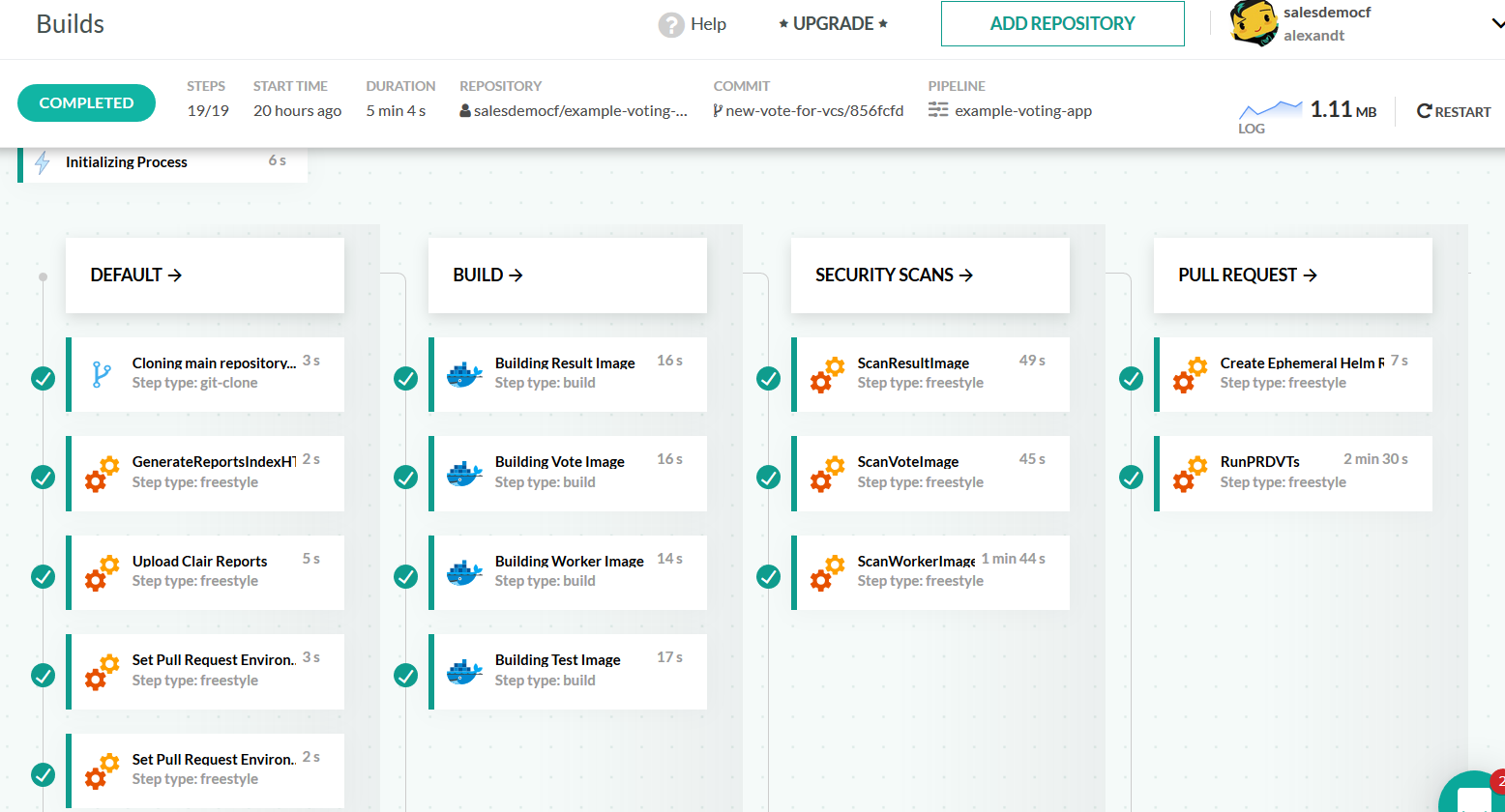
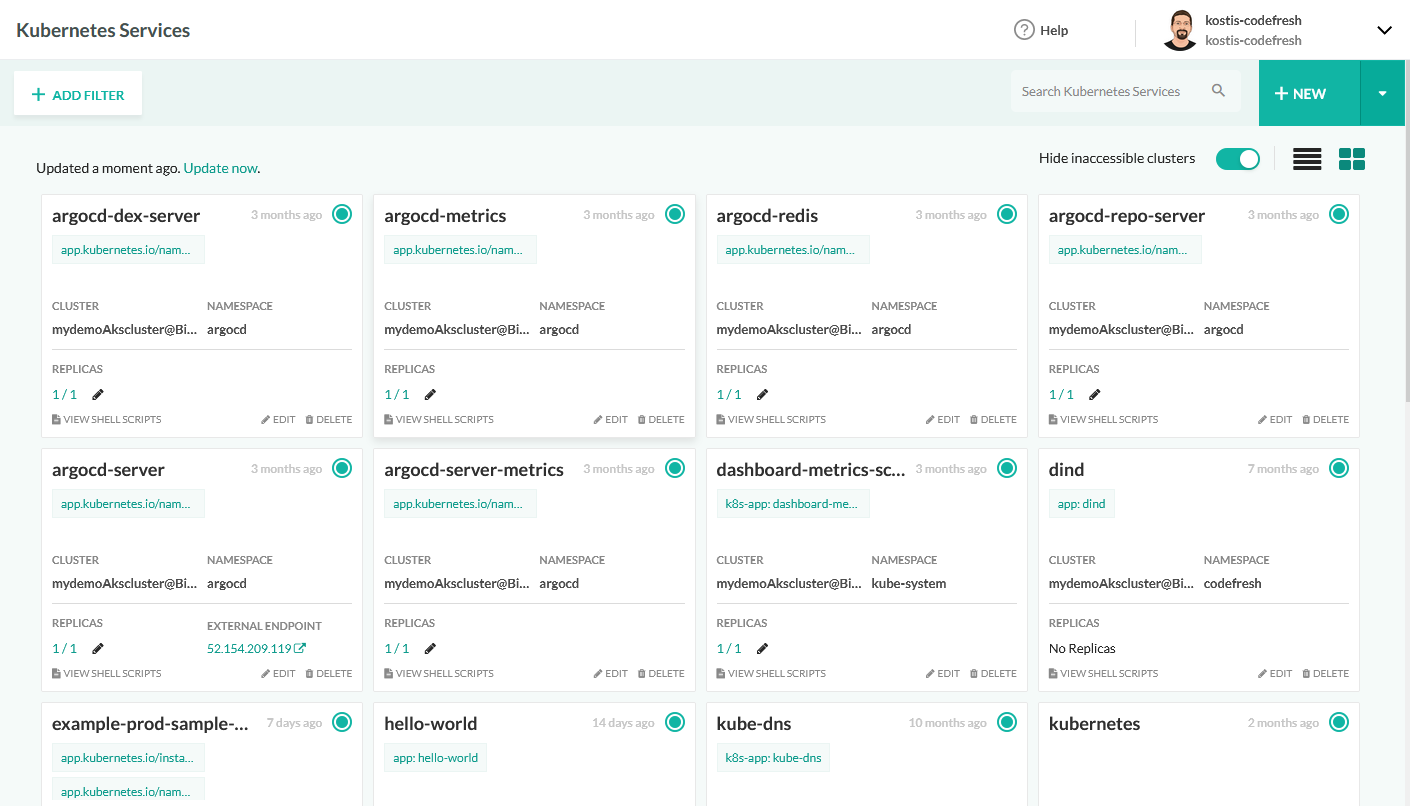
Codefresh is a Kubernetes-native CI/CD platform to simplify and accelerate software delivery. Built on Argo, it provides GitOps workflows, enabling teams to automate deployments with high reliability. The platform emphasizes performance with fast build caching, parallel execution, and deep observability into the entire CI/CD process.
Key features include:
- High-performance builds: Optimized build caching and parallel execution speed up the CI/CD process, reducing build times and improving efficiency.
- Automated rollbacks & progressive delivery: Enhances deployment reliability by supporting automated rollback mechanisms and progressive delivery methods such as canary and blue-green deployments.
- GitOps-powered workflows: Uses Argo to enable declarative and automated deployments, ensuring consistency and traceability across environments.
- Deep observability: Provides build-to-deployment visibility, simplifying troubleshooting and performance monitoring.
- Flexible & scalable pipelines: Supports reusable, DRY (Don’t Repeat Yourself) pipelines with pipeline inheritance, templates, and extensible triggers.
Source: Codefresh
3. GitLab CI/CD
GitLab CI/CD is a CI/CD system for building, testing, deploying, and monitoring code changes through pipelines defined in YAML configuration files. It uses runners to execute jobs, supports variables and expressions for dynamic configuration, and includes reusable components that can be shared across projects.
General features:
- YAML pipeline configuration: Uses a
.gitlab-ci.ymlfile to define stages, jobs, scripts, variables, dependencies, and execution rules for build, test, and deployment workflows. - Stage and job orchestration: Organizes pipelines into stages that control execution order, while jobs define tasks such as compiling code, running tests, and deploying applications.
- Runner-based execution: Runs jobs through runners on physical machines or virtual instances, with support for using container images during job execution.
- Flexible pipeline triggers: Starts pipelines from commits, merges, and scheduled runs, allowing teams to automate workflows from source changes and recurring tasks.
- Variables and expressions: Supports key-value variables and
$[[ ]]expressions for passing configuration data, injecting dynamic values, and controlling pipeline behavior. - Reusable CI/CD components: Provides reusable pipeline configuration units that reduce duplication and help standardize common workflow logic across projects.
Kubernetes-based features:
- Container-based job execution: Lets pipeline jobs run with specified container images, so teams can define execution environments that align with containerized application workflows.
- Custom runner deployment options: Supports self-managed runners that can be created and registered outside GitLab.com, giving teams control over where Kubernetes-related jobs run.
- Dynamic pipeline inputs: Uses typed inputs and matrix expressions to adapt pipeline behavior, which helps structure deployment workflows across multiple environments or targets.
- Shared pipeline components: Allows teams to publish and reuse components for common tasks and integrations, which can help standardize container build and deployment steps.
- Integrated DevSecOps workflow: Fits CI/CD into a broader lifecycle that includes planning, verification, security, release, and monitoring for containerized application delivery.
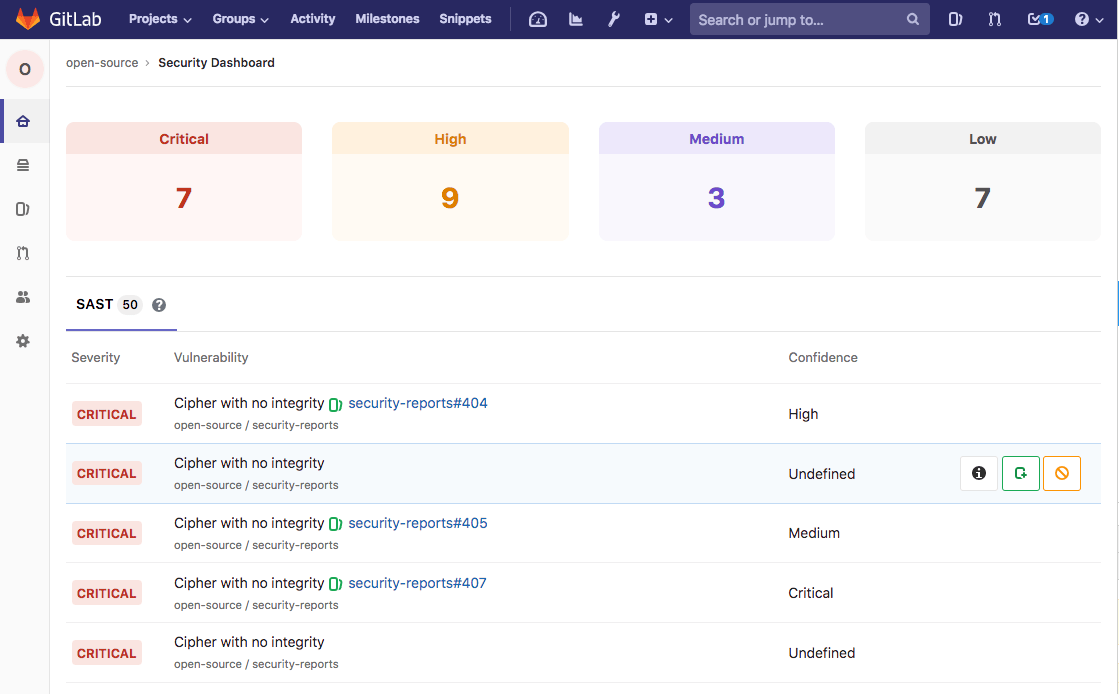
Source: Gitlab
4. CircleCI
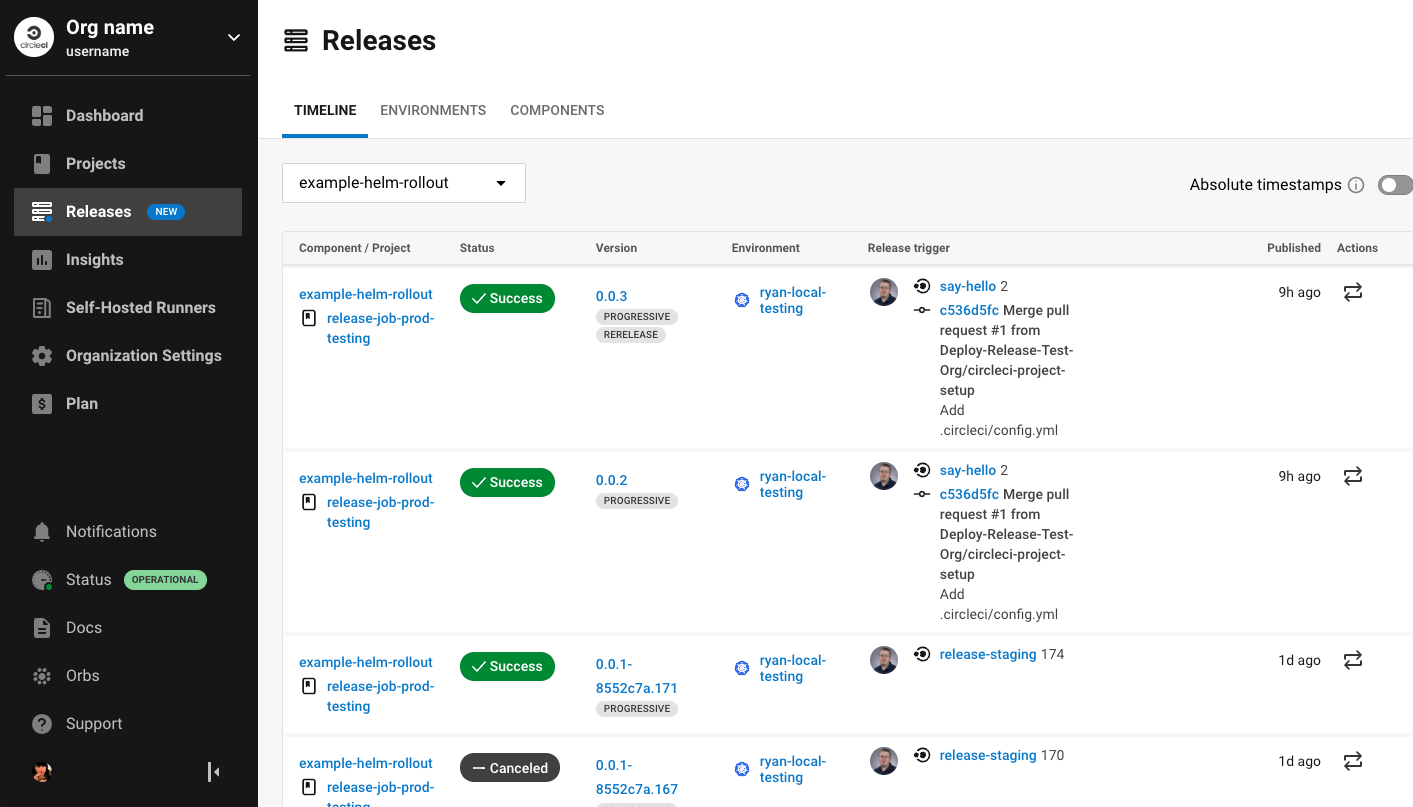
CircleCI is a CI/CD platform that automates software workflows from build to deployment. It supports multiple execution environments, integrates with major source control and cloud platforms, and includes workflow controls, scaling features, and tools for handling application delivery across different deployment targets.
General features:
- Workflow automation: Automates build, test, deploy, code review, branch management, and issue handling tasks as part of software delivery workflows.
- Multiple execution environments: Supports cloud, hybrid runner, and on-premises server deployment options for teams with different infrastructure requirements.
- Platform integrations: Connects with GitHub, GitLab, Bitbucket, AWS, GCP, Azure, and Kubernetes to link pipelines with source control and deployment systems.
- Build optimization and autoscaling: Includes build optimization tools and autoscaling features for handling changing pipeline workloads and infrastructure demand.
- Support for varied workloads: Supports use cases across Continuous Integration, mobile delivery, release orchestration, AI workflows, and security and compliance processes.
- Reusable workflow resources: Provides access to resources such as an orbs registry and image registry for sharing integrations and common workflow components.
Kubernetes-based features:
- Kubernetes integration: Includes Kubernetes as a supported integration, allowing teams to connect delivery workflows with Kubernetes-based deployment targets.
- Hybrid runner support: Supports runner-based execution models that let teams control where jobs run, which can be used for Kubernetes-related deployment workflows.
- Scalable pipeline execution: Uses autoscaling and build optimization features to support delivery workflows that need to scale across distributed containerized environments.
- Cloud and server deployment models: Offers cloud and on-premises deployment options, which supports organizations running Kubernetes workloads in different infrastructure models.
- Release orchestration support: Includes release orchestration as a supported use case, which can be applied to staged rollouts and coordinated delivery processes for Kubernetes applications.

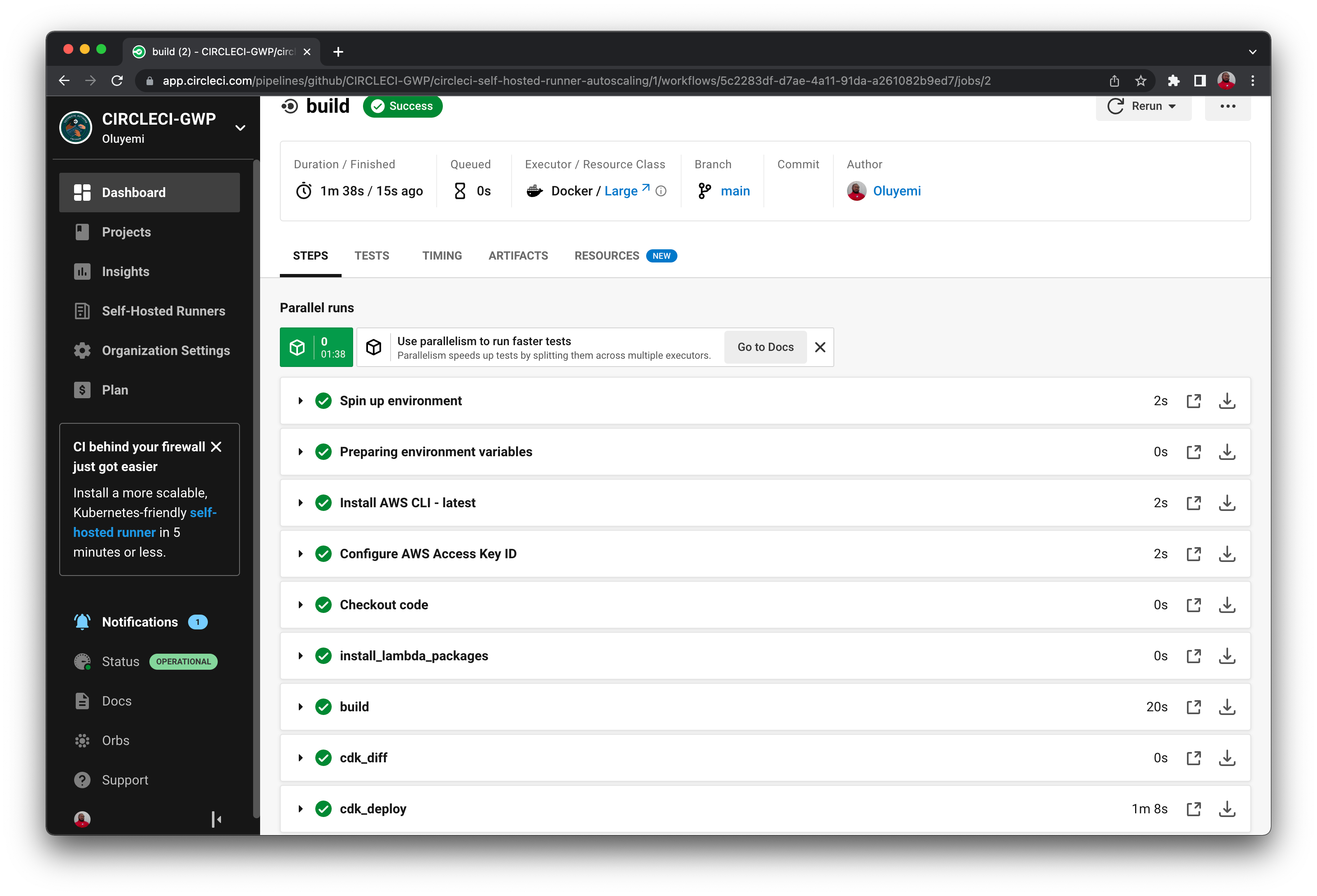
Source: CircleCI
5. Tekton
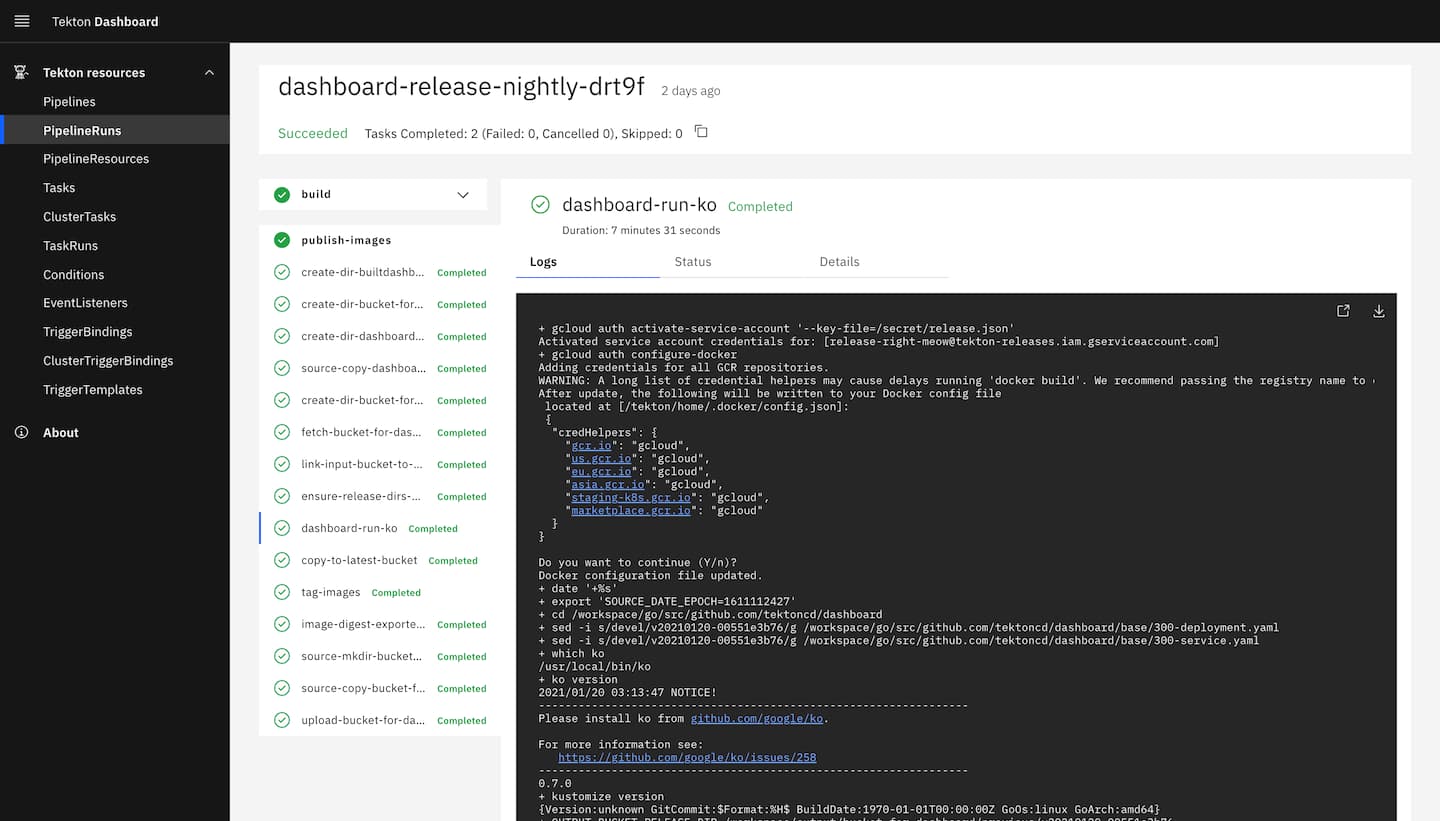
Tekton is an open-source framework for building CI/CD systems that run across cloud providers and on-premises environments. It is designed for cloud-native execution, can be applied directly to Kubernetes clusters, and standardizes CI/CD tooling and processes across different vendors, languages, and deployment environments.
General features:
- Open-source CI/CD framework: Provides a framework for creating CI/CD systems that handle build, test, and deployment workflows across different environments.
- Cross-environment support: Supports workflows that run across cloud providers and on-premises systems, giving teams a consistent framework for software delivery.
- Standardized CI/CD processes: Standardizes CI/CD tooling and processes across vendors, programming languages, and deployment environments.
- Flexible workflow design: Abstracts the underlying implementation so teams can choose build, test, and deployment workflows based on their own requirements.
- Built-in cloud-native execution: Includes scalable, serverless, cloud-native execution as part of the framework’s built-in behavior.
- Tool compatibility: Works with tools such as Jenkins, Jenkins X, Skaffold, and Knative as part of broader CI/CD environments.
Kubernetes-based features:
- Kubernetes-native pipeline definitions: Uses pipeline definitions that can be applied directly to a Kubernetes cluster with
kubectl apply, making Kubernetes a direct execution environment. - Manual and event-based execution: Supports running pipelines manually or triggering them when an event arrives, which fits Kubernetes-based automation workflows.
- Cloud-native architecture: Uses a cloud-native model designed for Kubernetes-style environments where workloads are managed as platform resources.
- Scalable execution model: Provides scalable execution that suits container-based workflows and distributed application delivery on Kubernetes infrastructure.
- On-cluster CI/CD operation: Lets teams build, test, and deploy through a framework intended to run within Kubernetes-oriented environments rather than separate external tooling.

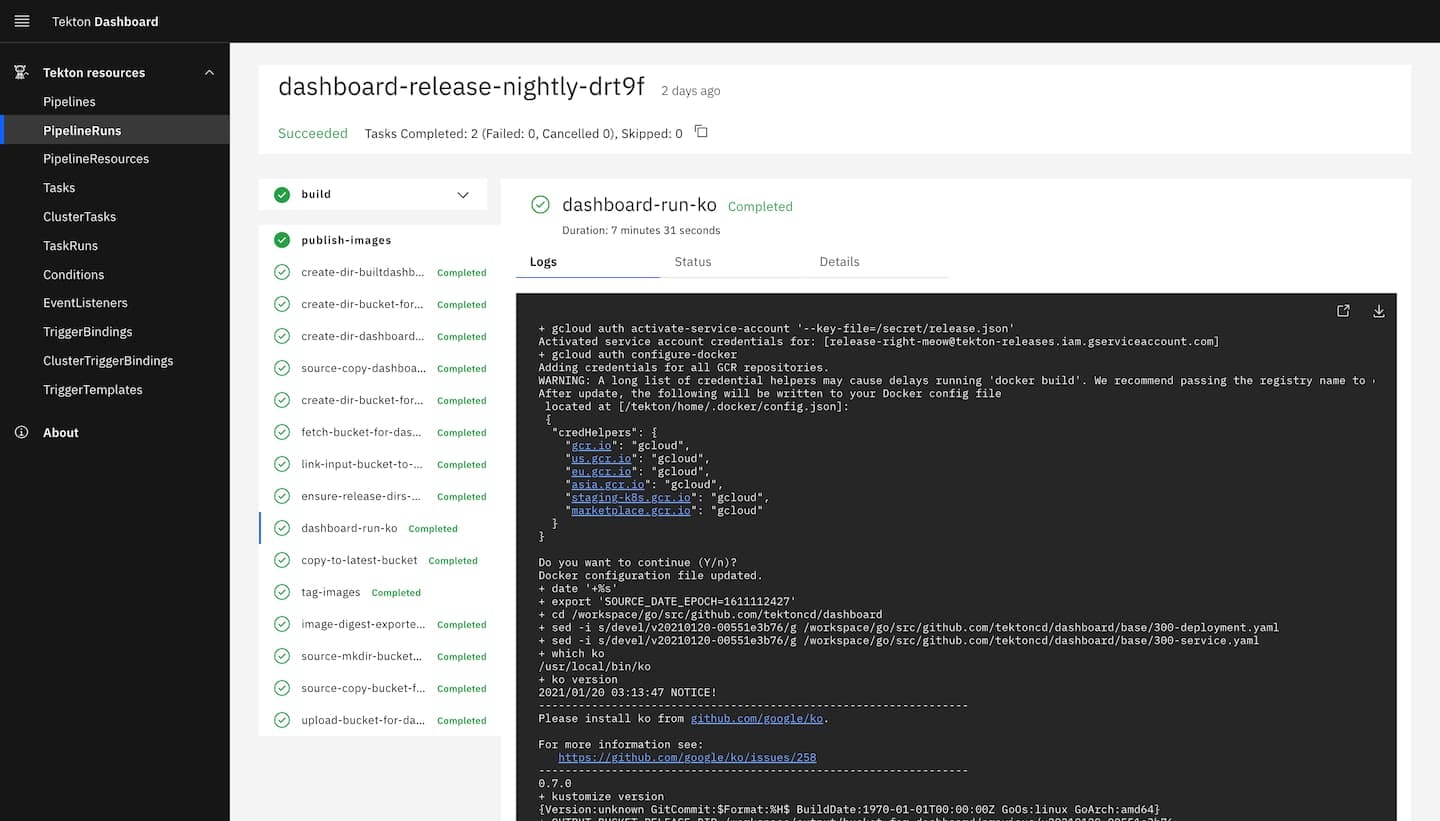
Source: Tekton

Tony Kelly is a DevOps marketing leader who drives innovation and awareness of the latest trends in Continuous Delivery.
Related content: Read our guide to Kubernetes CI/CD tools
How to choose CI/CD platforms for Kubernetes
Here are some considerations for evaluating CI/CD platforms for Kubernetes projects.
Deployment strategies
Selecting the right deployment strategies is critical when choosing Kubernetes CI/CD platforms. Strategies such as rolling updates, blue/green deployments, and canary releases ensure applications are updated without downtime or service interruptions. Understanding these strategies and their impacts on production environments helps in configuring CI/CD pipelines that guarantee smooth and reliable rollouts. Each deployment strategy presents different benefits and trade-offs.
Rolling updates provide incremental updates but may temporarily affect system performance. Blue-green deployments offer zero-downtime but require more resources to maintain duplicate environments. Canary releases introduce a strategy for incremental exposure to new updates, reducing risk.
Image scanning
Integrating image scanning during the CI/CD process is crucial for maintaining the security of containerized applications. Image scanning tools identify vulnerabilities in container images before they are deployed, allowing organizations to address these issues preemptively. This preemptive security measure is vital in preventing security breaches and maintaining compliance with industry standards.
The effectiveness of image scanning depends on the tools’ ability to integrate into CI/CD pipelines and their ability to provide real-time vulnerability assessments. Scanning tools should be regularly updated with the latest vulnerability databases, ensuring comprehensive detection capabilities. Selecting a CI/CD platform with image scanning functionalities fosters a secure development process and contributes to an organization’s overall security posture.
Scalability and performance
Evaluating scalability and performance is essential when choosing a Kubernetes CI/CD platform. The chosen platform must accommodate workload fluctuations without compromising performance. It should support horizontal and vertical scaling to handle increased load efficiently, aligning with the dynamic nature of cloud-native architectures.
Performance metrics, such as build and deployment times, provide valuable insights into the platform’s efficiency. Fast, consistent performance is critical in supporting continuous and frequent deployments, reducing time-to-market for products. Ensuring the CI/CD platform supports these capabilities will result in a responsive application lifecycle management process.
Extensibility and integration
A good Kubernetes CI/CD platform should offer extensibility and integration capabilities, allowing connectivity with third-party tools and services. Extensibility ensures the platform can evolve alongside organizational needs and technological advancements, supporting custom workflows and additional functionalities as required.
Integration capabilities improve workflow efficiency by bridging different tools within the software development lifecycle, including testing, monitoring, and alerting systems. Integration reduces silos within the development process, fostering better collaboration. Evaluating the extensibility and integration potential of a CI/CD platform helps future-proof the infrastructure.
Cost and maintenance
Cost considerations in choosing a Kubernetes CI/CD platform include licensing fees, infrastructure costs, and potential service charges. Another side of cost analysis is the time and resources spent on maintenance tasks such as updates, troubleshooting, and optimization. Efficient cost management involves balancing these expenses against the operational efficiency and features provided by the CI/CD platform.
The platform’s maintenance requirements also impact resource allocation. Platforms that require frequent, complex maintenance may divert resources from development tasks. Selecting a platform that minimizes maintenance overhead helps maintain a fast-paced development cycle.
Conclusion
Adopting a Kubernetes CI/CD platform simplifies the entire software delivery lifecycle, making it easier to manage, deploy, and scale containerized applications. By automating key processes like building, testing, deploying, and monitoring, teams can deliver features more quickly and with greater confidence. Additionally, these platforms help enforce consistency across environments, improve security and compliance postures, and enable flexible deployment strategies.
Help us continuously improve
Please let us know if you have any feedback about this page.