What is Kubernetes CI/CD software?
Kubernetes CI/CD software integrates Continuous Integration and Continuous Deployment (CI/CD) processes for environments using Kubernetes, a container orchestration platform. These tools automate the building, testing, and deployment of applications across various server environments. They use Kubernetes’ capabilities to ensure updates and scalability of applications, making pipeline management efficient.
These software solutions offer features like rolling updates, canary deployments, and auto-scaling, all tied into Kubernetes’ native functions. By using these tools, developers can reduce manual overhead, leaving less room for human error. This automation improves the reliability and speed of deploying changes in a Kubernetes environment, ensuring that new code reaches production faster while maintaining secure and stable operations.
Understanding the Kubernetes market and trends
Market growth and forecast
The Kubernetes market is expanding rapidly as organizations standardize container orchestration for modern applications. The market is projected to grow from USD 2.57 billion to USD 8.41 billion by 2031, representing a 21.85% compound annual growth rate (CAGR).
Adoption is driven by the shift toward cloud-native architectures and the need to manage distributed applications efficiently. Kubernetes has effectively become the default orchestration platform for containers, with 96% of enterprises either using or evaluating it for production workloads.
Key drivers of Kubernetes adoption
Several technology trends are accelerating Kubernetes adoption across enterprises:
- The move to microservices architectures: Organizations are replacing monolithic applications with smaller services that can be deployed independently. Kubernetes provides orchestration features that manage these services, improving scalability and release speed.
- The growth of AI and machine learning workloads: Kubernetes supports GPU scheduling, node auto-scaling, and resilient services, which are important for compute-intensive AI pipelines. Many organizations now run model training and inference workloads inside Kubernetes clusters using tools such as Kubeflow.
- Hybrid and multi-cloud strategies: Enterprises often run workloads across private infrastructure and several cloud providers. Kubernetes provides a consistent layer for deploying and managing applications across these environments.
Rise of managed Kubernetes services
Operational complexity and limited in-house expertise are pushing companies toward managed Kubernetes services. Managed offerings already account for the majority of deployments, representing 62.30% of the market.
Cloud providers bundle cluster management, security controls, automated upgrades, and compliance features into managed platforms. These services reduce operational overhead and can improve uptime while lowering costs. For example, providers report that managed platforms can deliver up to 40% cost savings and 35% improvements in uptime.
Challenges affecting the market
Despite strong growth, Kubernetes adoption faces several challenges:
-
Shortage of skilled DevOps and DevSecOps professionals: Many organizations struggle to manage complex Kubernetes environments without specialized expertise.
-
Security: Enterprises must manage network policies, access controls, and compliance requirements across clusters. Security incidents and regulatory pressures are pushing organizations to implement continuous security scanning, zero-trust policies, and compliance monitoring within Kubernetes environments.
Key features of Kubernetes CI/CD software
Here are some of the most important capabilities in Kubernetes CI/CD tools:
- Kubernetes-native pipelines: These tools support Kubernetes-native pipeline execution engines like Tekton or Argo Workflows, enabling containerized, declarative pipelines that can run within the cluster. This reduces dependency on external infrastructure and improves scalability by using Kubernetes’ orchestration capabilities.
- GitOps integration: Most Kubernetes CI/CD platforms adopt GitOps principles, where Git repositories act as the single source of truth for deployments. This improves auditability, version control, and traceability while enabling automated rollbacks and consistent state management.
- Progressive deployment strategies: Advanced deployment capabilities such as blue/green, canary, and shadow deployments are integrated, allowing teams to roll out updates gradually. These features reduce the risk of downtime by enabling safe testing of new versions in production-like environments.
- Multi-cluster management: Kubernetes CI/CD tools often support deploying applications across multiple clusters from a centralized interface. This simplifies managing complex, distributed systems and ensures consistent deployment practices in multi-cloud or hybrid cloud scenarios.
- Built-in security and compliance: Security scanning, vulnerability detection, and policy enforcement are embedded into the CI/CD process. These tools help ensure that only secure, compliant builds are deployed, reducing the risk of introducing vulnerabilities or misconfigurations into production.
- Scalability and auto-healing pipelines: Pipelines can scale to meet workload demands by using Kubernetes’ auto-scaling capabilities. Combined with self-healing features, these systems can automatically recover from failures.
- Observability and monitoring: Observability features, including logs, metrics, and dashboards, provide visibility across the pipeline lifecycle. This helps teams identify bottlenecks, errors, or performance issues and take corrective actions before they impact production.
Notable Kubernetes CI/CD software
1. Octopus
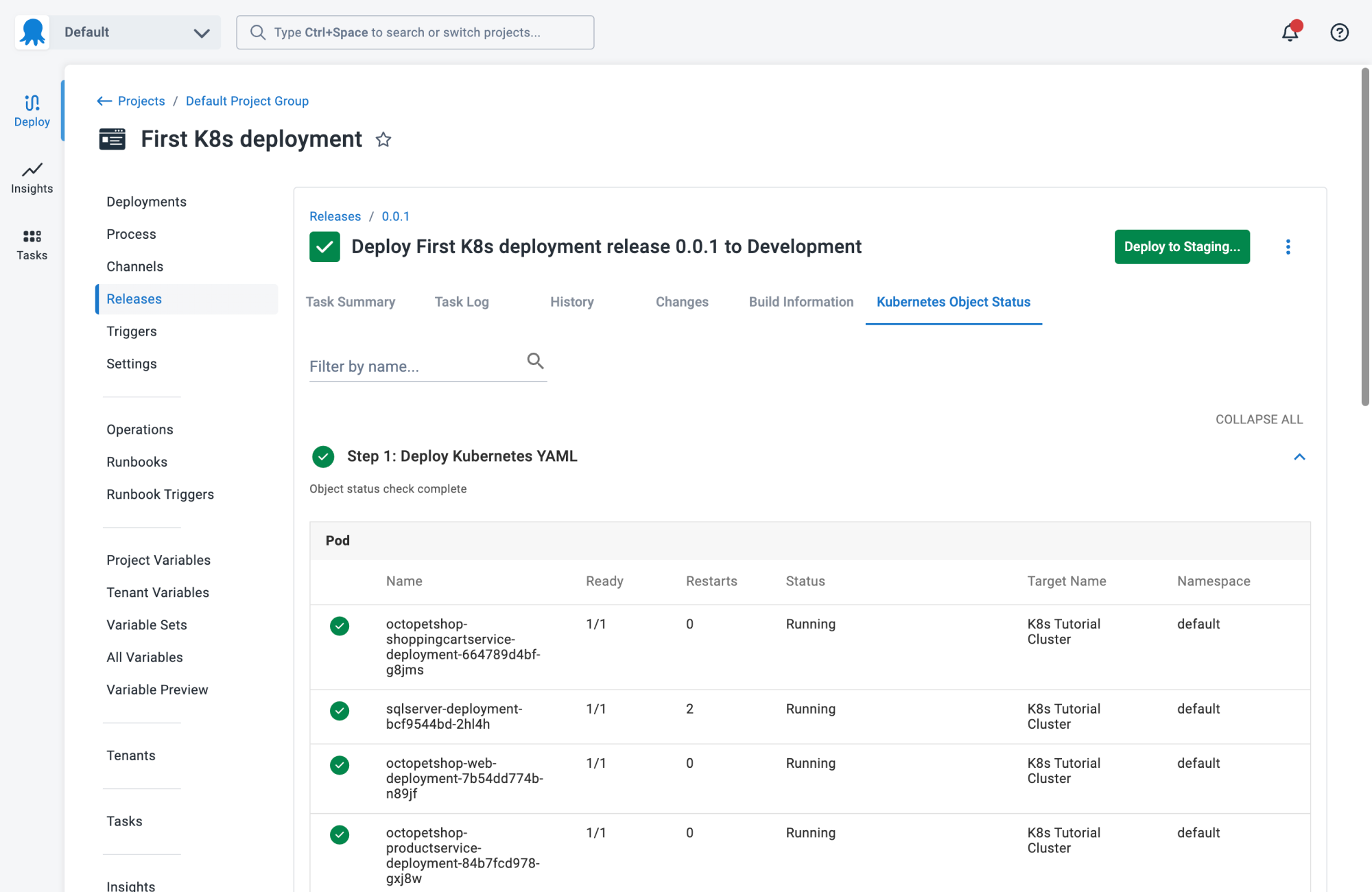
Octopus makes it easy to deliver software to Kubernetes, multi-cloud, on-prem infrastructure, and anywhere else. It automates the release, deployment, and operations of your software and AI workloads.
General features of Octopus:
- Reliable risk-free deployments: Octopus ensures a consistent deployment process across all your environments, giving you the confidence to deploy to production with the same ease and reliability as any other environment. Plus, with built-in rollback support, reverting to previous versions is simple and straightforward.
- Deployments at scale: Octopus stands alone as the only CD tool with native multi-tenancy support, allowing you to deploy to any number of customers—whether it’s two or thousands—without duplicating your deployment process.
- One platform for DevOps automation: Runbooks automate routine and emergency operational tasks, freeing your teams to focus on more critical work. They also empower other teams by providing safe, self-service operations.
- Streamlined compliance: With full auditing, role-based access control (RBAC), and single sign-on (SSO) as standard, Octopus makes audits a breeze. This provides your team with accountability, peace of mind, and trust in your deployments.
Kubernetes-specific features:
- Environment progression: Say goodbye to tedious manifest file updates and custom scripts. Octopus’s built-in environment modelling and progression let you spend less time on manual configurations and more time deploying.
- Single pane of glass: Get a complete, real-time picture of your deployments all in one place. Octopus provides instant access to live status, deployment history, logs, and manifests across all your clusters and environments.
- Enterprise-grade compliance: Control access to applications and environments with role-based access controls (RBAC), and integrate with your existing ITSM tools for seamless change management.

2. Codefresh
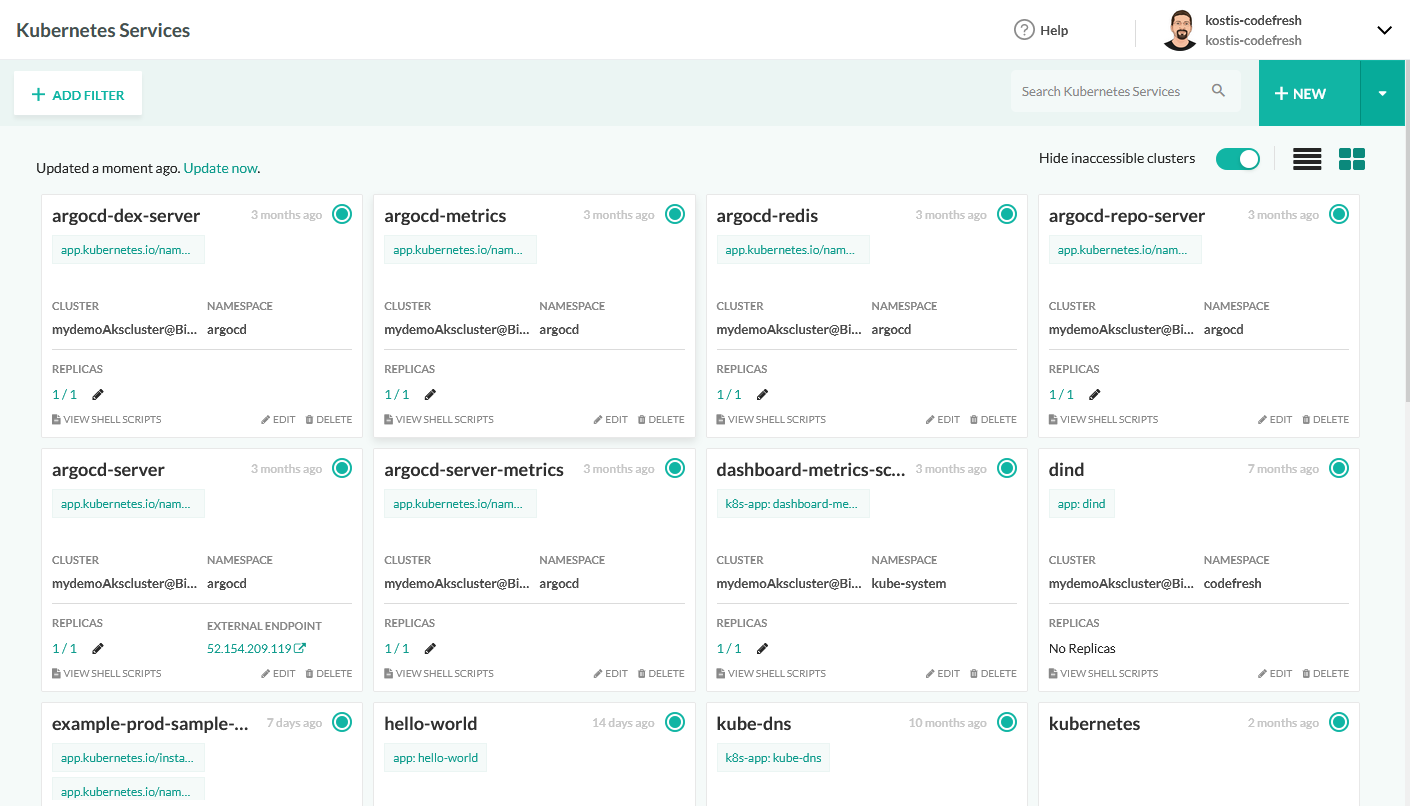
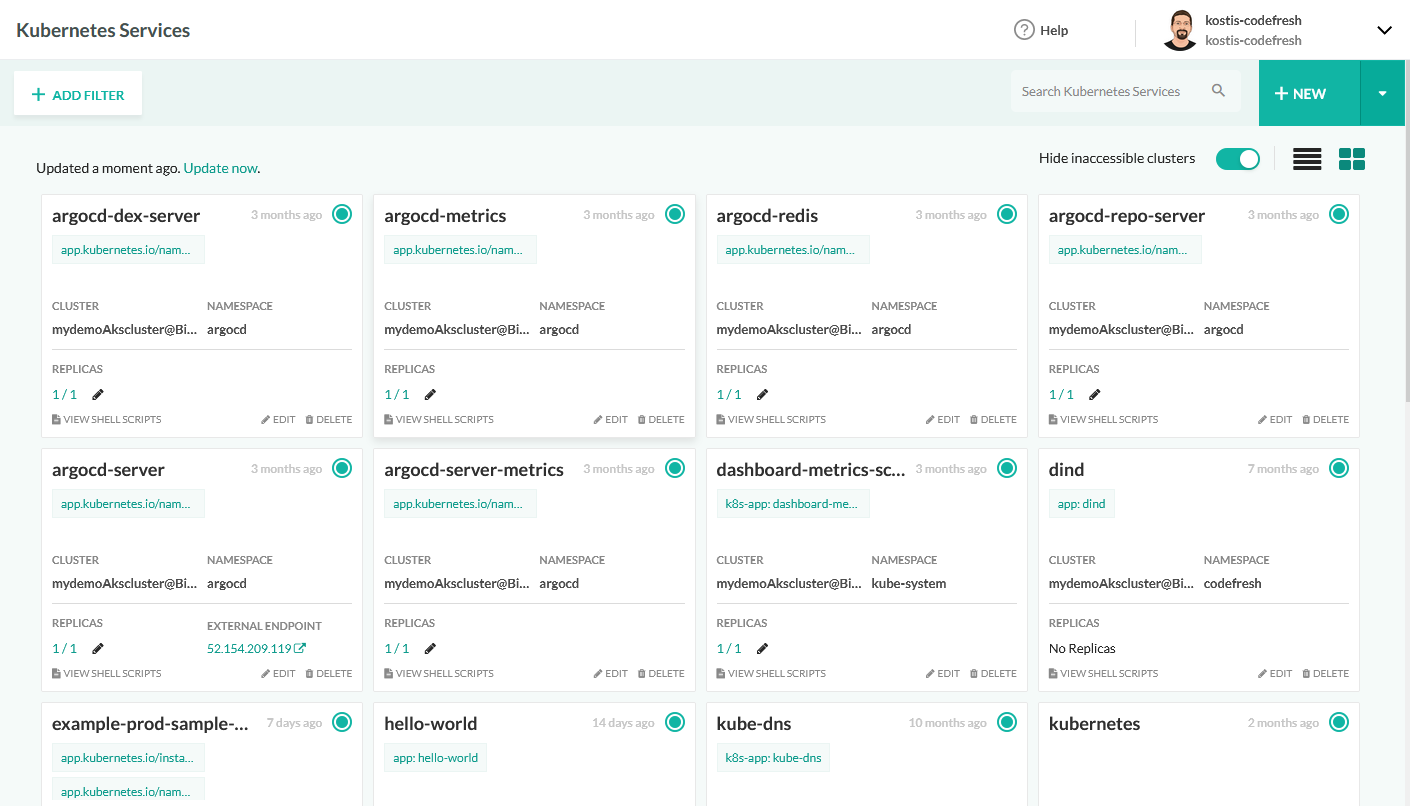
Codefresh is a CI/CD platform built for Kubernetes, optimizing and automating software delivery. Based on Argo, it enables GitOps workflows for reliable, automated deployments. The platform focuses on performance with fast build caching, parallel execution, and deep visibility into the entire CI/CD pipeline.
General features of Codefresh:
- Optimized build performance: Uses caching and parallel execution to accelerate the CI/CD process, reducing build times and improving efficiency.
- Automated rollbacks & progressive deployment: Supports rollback mechanisms and deployment methods, including canary and blue-green strategies.
- GitOps-driven workflows: Uses Argo for declarative, automated deployments, ensuring consistency and traceability.
- Comprehensive observability: Provides visibility from build to deployment, aiding in troubleshooting and performance monitoring.
- Scalable & reusable pipelines: Features pipeline inheritance, templates, and extensible triggers to support DRY (Don’t Repeat Yourself) principles.
Kubernetes-specific features:
- Kubernetes-native deployments: Built to understand and manage Kubernetes, Helm, and serverless workflows.
- GitOps with Argo: Supports GitOps out of the box, allowing declarative, version-controlled deployments.
- Code-to-cloud visibility: Offers insights from code changes to production environments.
- Flexible triggers and templates: Make it easy to add and manage Kubernetes applications across environments.
- Unified CI/CD for K8s: Eliminates the need to use non-native tools by tightly coupling CI/CD with Kubernetes workflows.
Source: Codefresh
3. Argo CD
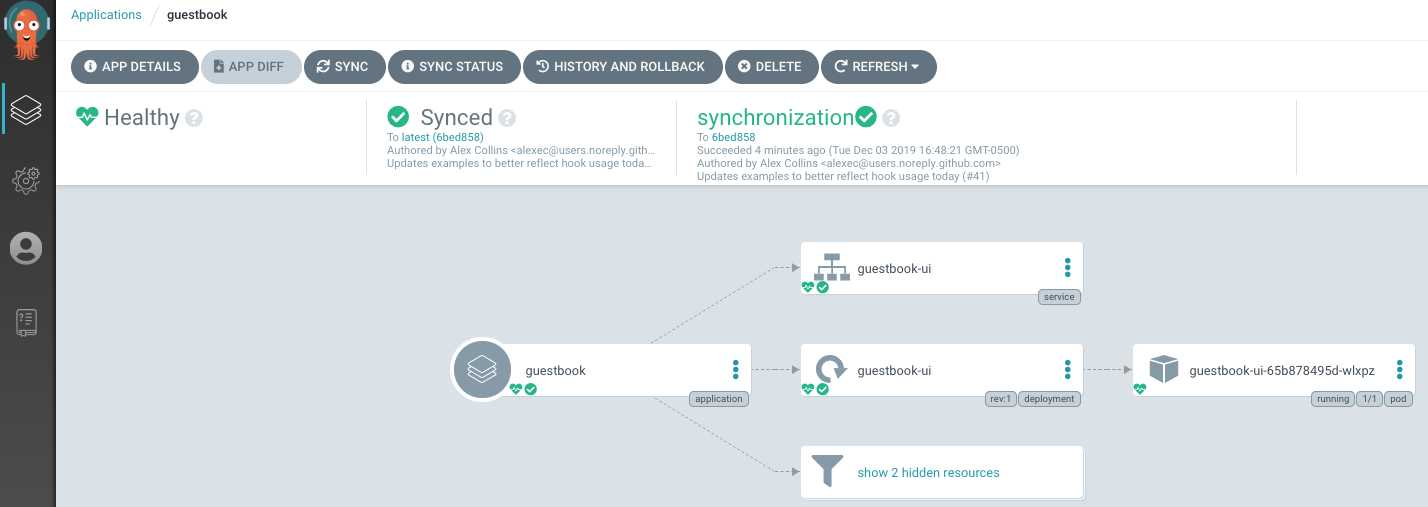
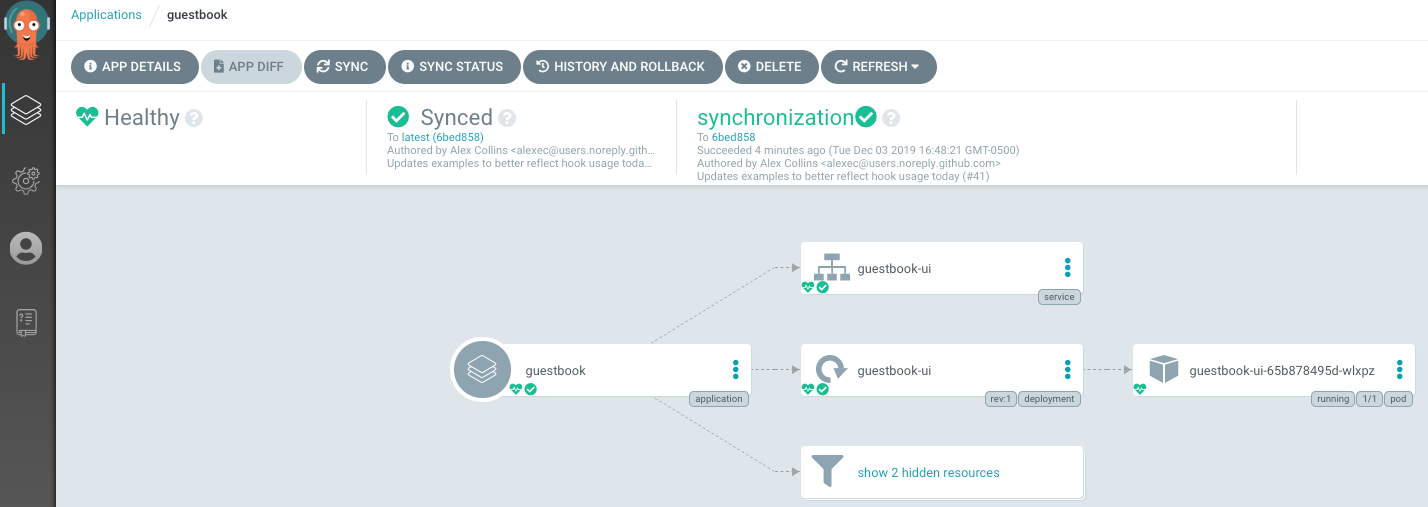
Argo CD is a declarative GitOps Continuous Delivery tool for Kubernetes. It uses Git repositories as the source of truth for application definitions and target state, then runs as a Kubernetes controller that compares the live environment with the desired configuration and syncs differences.
Key features include:
- Git-based desired state: Uses Git repositories as the source of truth for application definitions, environment configuration, and target state used for deployment and lifecycle management.
- Config tool support: Supports kustomize applications, Helm charts, Jsonnet files, plain YAML or JSON manifests, and custom config management plugins for defining Kubernetes applications.
- State monitoring and drift detection: Continuously compares live application state with the target state in Git, identifies OutOfSync resources, and visualizes configuration drift for operators.
- Sync options: Supports both automated and manual synchronization so live Kubernetes resources can be updated to match the desired state defined in Git.
- Multi-cluster management: Manages and deploys applications across multiple Kubernetes clusters, allowing teams to control delivery for several target environments from one system.
- Access and identity controls: Provides multi-tenancy and RBAC policies for authorization, along with SSO integrations that support OIDC, OAuth2, LDAP, SAML, and several identity providers.
- Rollback and rollout controls: Supports rollback to application configurations stored in Git and provides sync hooks for rollout patterns such as blue-green and canary deployments.

Source: Argo CD
4. GitLab CI/CD
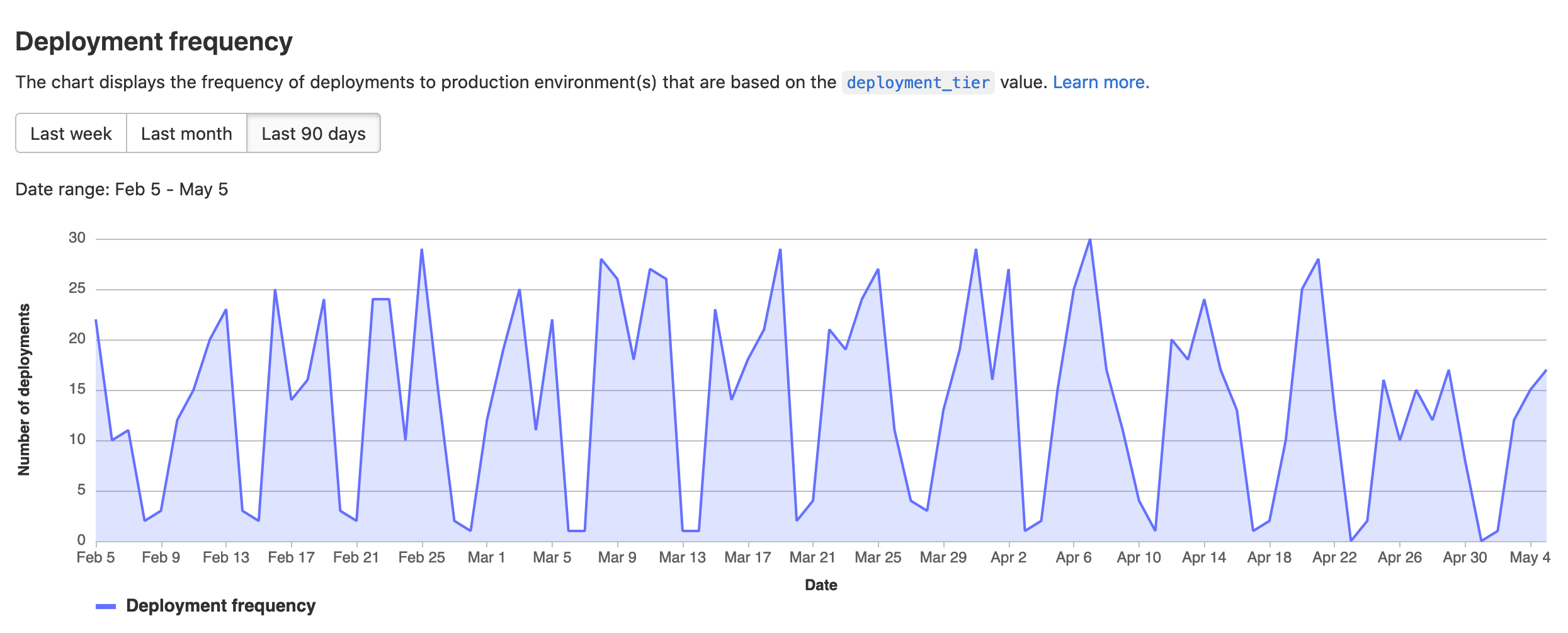
GitLab CI/CD is a Continuous Integration and Delivery system that builds, tests, deploys, and monitors code changes through pipelines defined in a .gitlab-ci.yml file. Pipelines run on runners, use stages and jobs to define execution order, and support reusable components, variables, and expressions.
Key features include:
- Pipeline configuration: Uses a
.gitlab-ci.ymlfile to define stages, jobs, scripts, variables, dependencies, and execution rules for each pipeline in a project. - Stages and jobs: Organizes pipelines into ordered stages such as build, test, and deploy, with jobs defining the specific tasks performed at each step.
- Runner execution: Runs jobs on runners that can operate on physical machines or virtual instances, and can use specified container images during execution.
- Pipeline triggers: Starts pipelines from events such as commits, merges, and schedules, and supports integration with external tools and platforms.
- Variables and secrets: Stores configuration values and sensitive data as CI/CD variables, including custom and predefined variables with masking and protection controls.
- Dynamic expressions: Uses
$[[ ]]expressions to inject typed inputs and matrix values into pipeline configuration and validate them when a pipeline is created. - Reusable components: Supports CI/CD components that can be included in pipelines to reuse configuration, reduce duplication, and share common pipeline logic across projects.
Source: GitLab
5. Jenkins
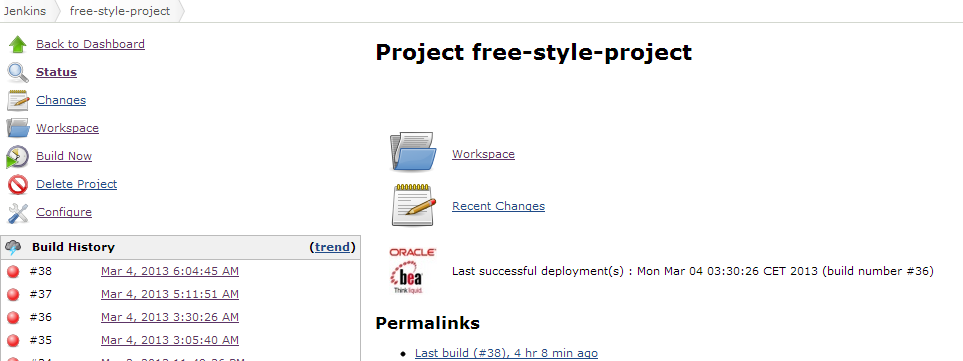
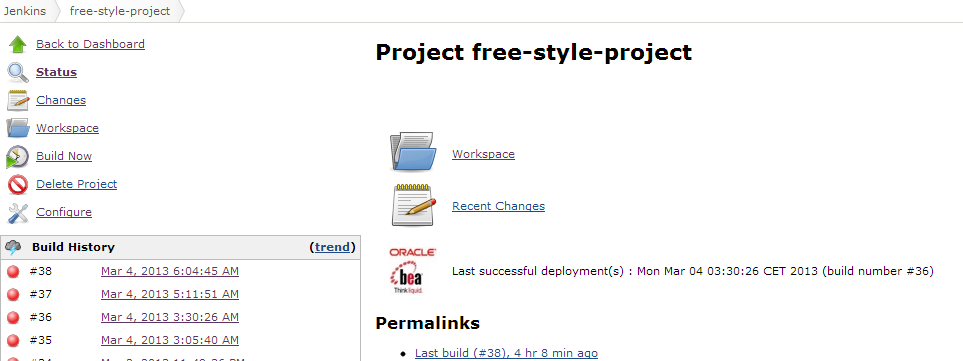
Jenkins is an open source automation server used for Continuous Integration and Continuous Delivery. It runs as a self-contained Java-based application, supports distributed workloads, and relies on a large plugin ecosystem to connect build, test, deployment, and automation tasks.
Key features include:
- Automation server: Can be used as a CI server or as a Continuous Delivery hub for building, deploying, and automating software projects.
- Plugin ecosystem: Provides hundreds of plugins in the update center to connect Jenkins with tools used across CI and CD workflows.
- Extensible architecture: Uses a plugin-based model that allows teams to extend Jenkins with additional capabilities for different automation requirements and tool integrations.
- Distributed execution: Distributes builds, tests, and deployments across multiple machines to support faster execution on different platforms and operating system environments.
- Installation options: Runs as a self-contained Java-based program with packages for Windows, Linux, macOS, and other Unix-like operating systems.

Source: Jenkins
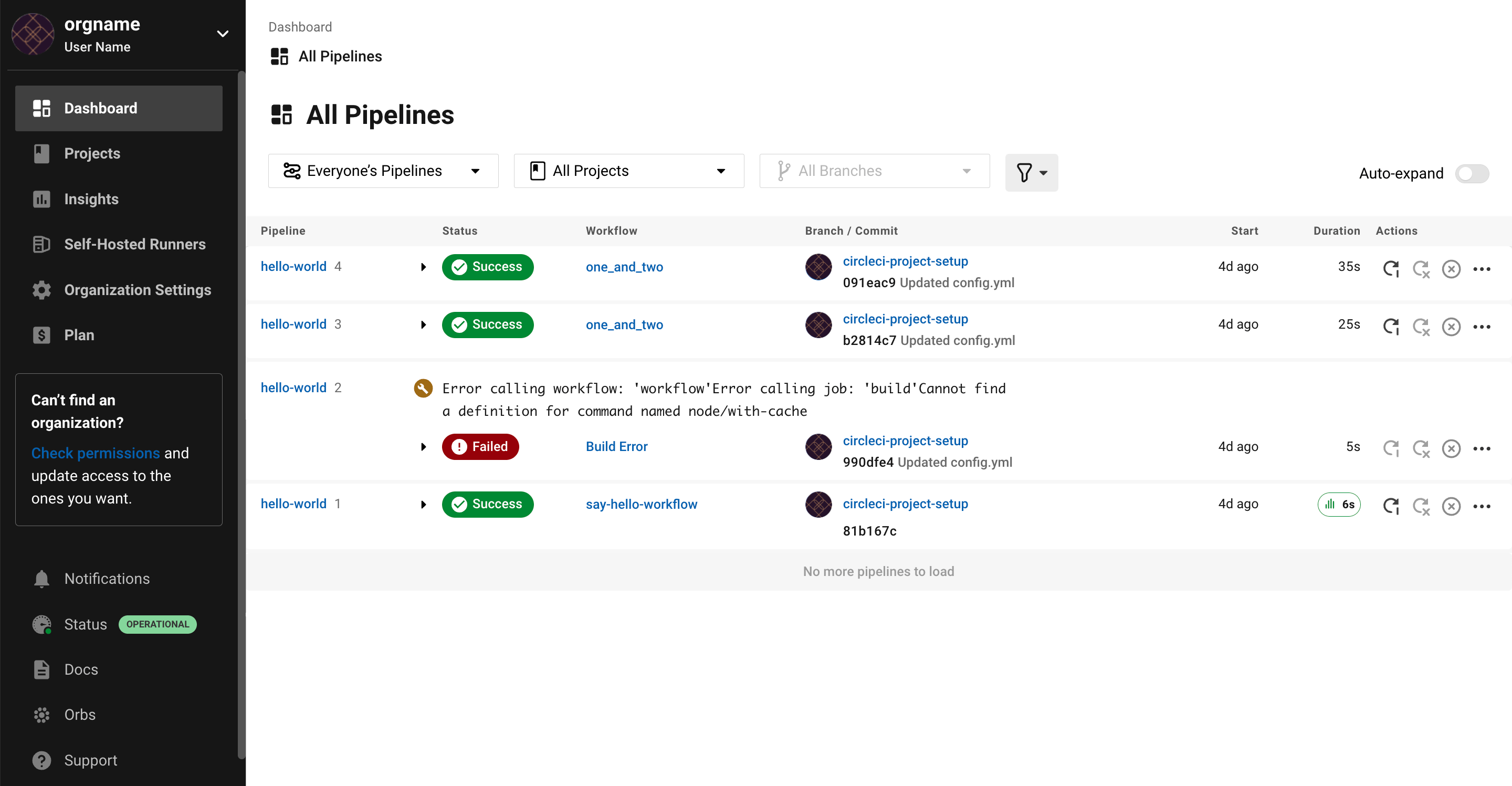
6. CircleCI
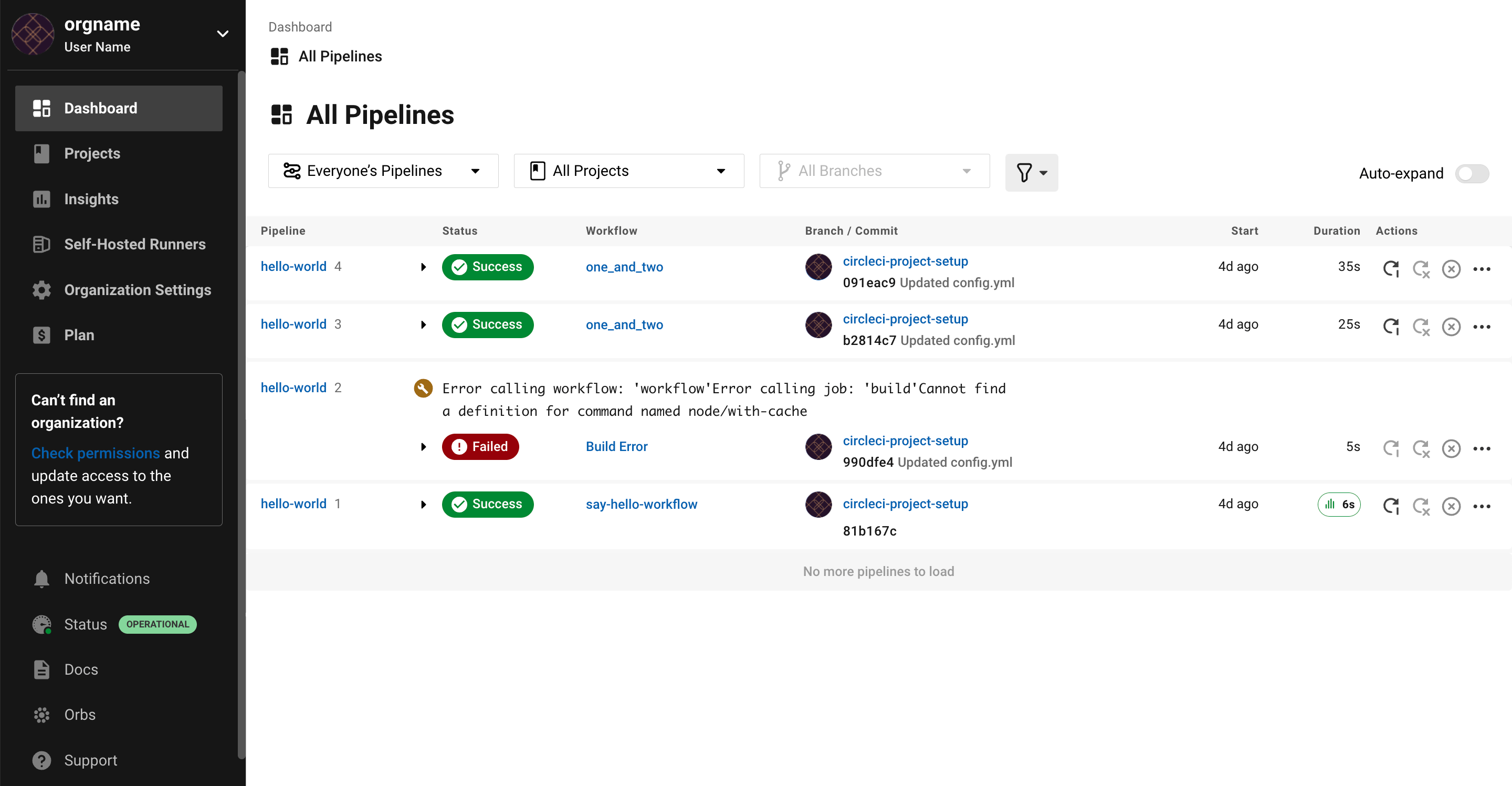
CircleCI is a CI/CD platform that supports automated testing, validation, and software delivery across different applications, environments, and infrastructure models. It provides cloud, hybrid runner, and on-premises server options, along with integrations, build optimization features, and workflow automation for teams managing software delivery at scale.
General features of CircleCI:
- Execution environments: Supports multiple execution environments and hosting models, including cloud, hybrid runner deployments, and on-premises server installations for different operational requirements.
- Workflow automation: Automates build, test, merge, deployment, rollback, and release processes through CI/CD workflows managed within the platform.
- Integrations: Connects with GitHub, GitLab, Bitbucket, AWS, GCP, Azure, and other services used in software delivery pipelines.
- Build optimization: Includes build optimization tools, autoscaling, build images, and technical services to improve pipeline performance and resource usage.
- Security and compliance: Supports security and compliance use cases as part of software delivery workflows for teams that need additional operational controls.
Kubernetes-specific features:
- Kubernetes integration: Integrates with Kubernetes as part of its supported delivery ecosystem, allowing teams to connect container-based application workflows with CI/CD pipelines.
- Container and image workflows: Supports container images and deployment workflows that can be used in Kubernetes-oriented delivery processes alongside cloud and infrastructure integrations.

Source: CircleCI
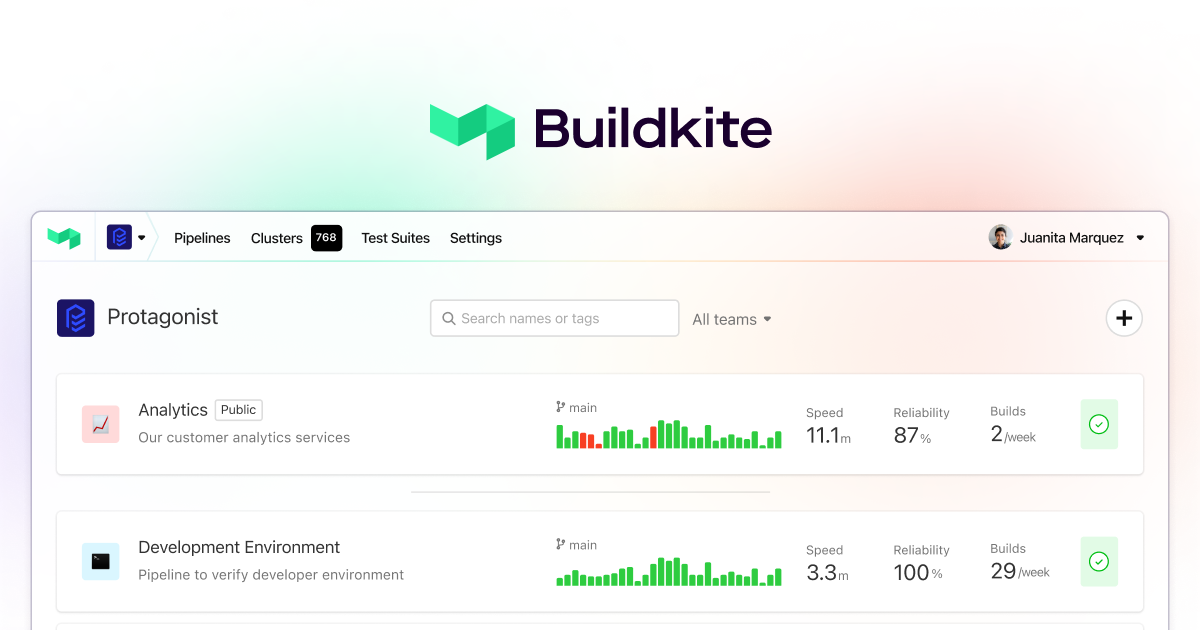
7. Buildkite
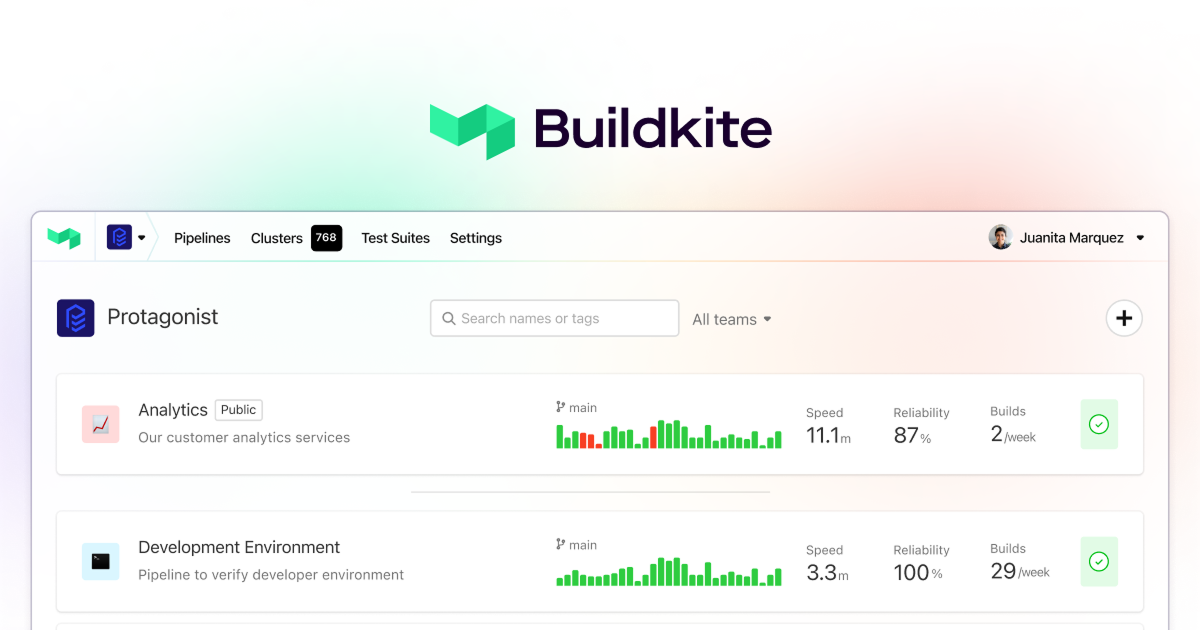
Buildkite is a CI platform that provides pipelines, test optimization, package registries, and mobile delivery tools for software teams running builds at large scale. It uses pipelines as code, dynamic workflow controls, elastic agents, and test analysis features to manage CI workloads across different compute environments.
General features of Buildkite:
- Elastic build agents: Scales build agents with demand, from zero to large concurrency levels, to run CI workloads without fixed capacity limits.
- Pipelines as code: Uses composable pipeline definitions and workflow primitives so platform teams can build CI processes with code-based configuration and guardrails.
- Dynamic pipelines: Supports wait steps, block steps, trigger steps, conditional logic, and runtime adaptation for workflows that change during execution.
- Parallel execution: Runs tests, builds, and checks simultaneously with high parallelism to reduce feedback time for development teams.
- Test optimization: Provides test splitting, performance insights, flaky test isolation, and unified analytics across unit, integration, and end-to-end test suites.
Kubernetes-specific features:
- Flexible compute support: Supports workflows across different compute types, giving teams a way to run CI processes in infrastructure models commonly used with container-based platforms.
- Self-hosted agent model: Uses self-hosted agents and pipelines as code, which can be applied in Kubernetes-based environments where teams manage their own execution infrastructure.
Source: Buildkite
Conclusion
Effective Kubernetes CI/CD solutions simplify software delivery by automating testing, deployment, and monitoring, ensuring faster and more reliable releases. These tools use Kubernetes-native capabilities to support scalable and resilient workflows, reducing manual intervention and minimizing errors. By integrating GitOps, progressive deployment strategies, and security automation, organizations can maintain consistency across environments while accelerating development cycles.
Related content: Read our guide to Kubernetes CI/CD services
Help us continuously improve
Please let us know if you have any feedback about this page.