What are feature flag tools?
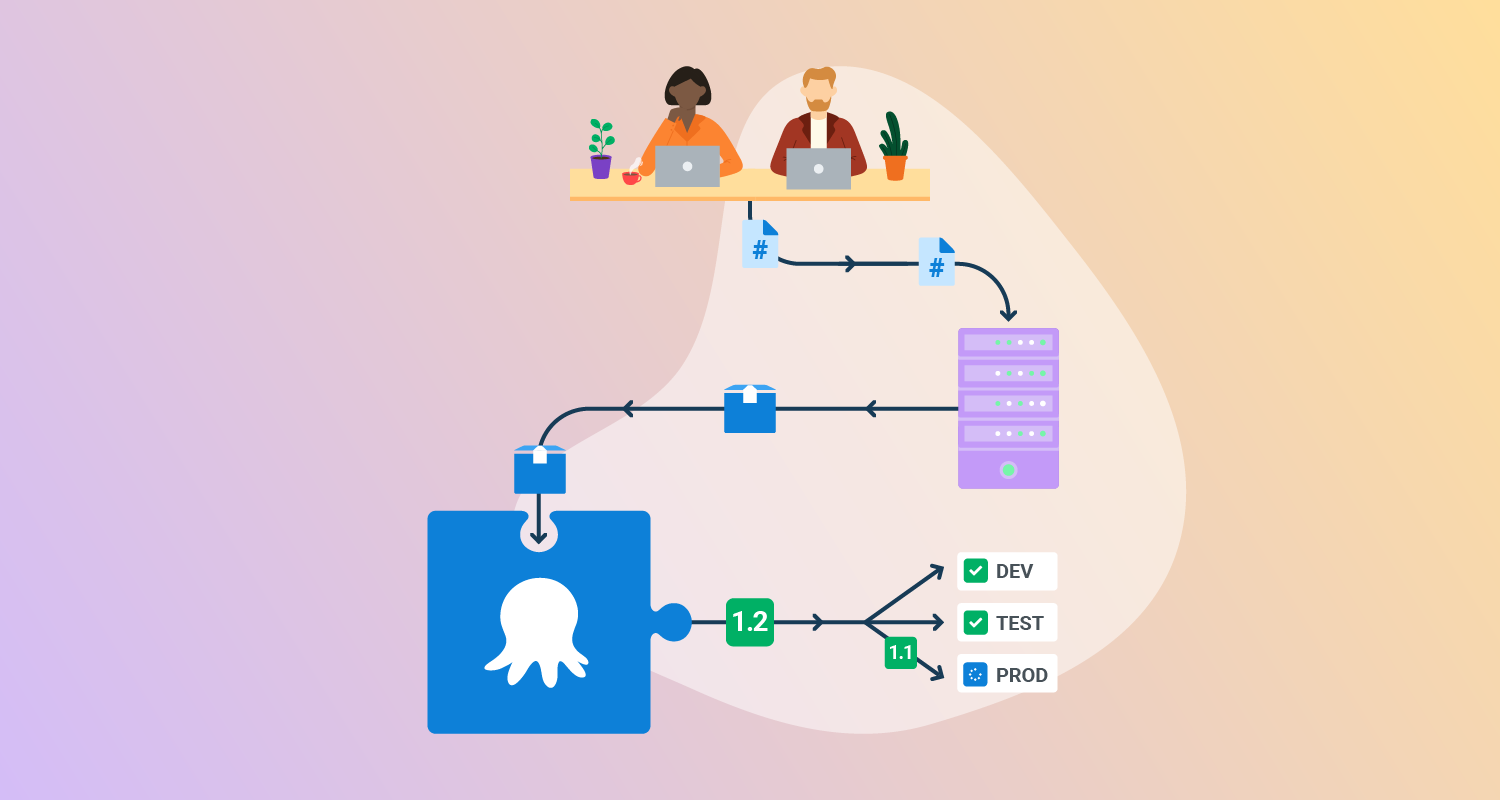
Feature flag tools are software platforms or libraries that enable developers to control the activation of features in a live application without modifying or redeploying the codebase. By integrating these tools into the software development lifecycle, teams can toggle features on or off, perform gradual rollouts, and experiment with new functionality in real-world conditions.
This control reduces risk, as developers can isolate potentially problematic features, and enables agility, as new features can be tested in production environments before full-scale adoption. These tools are valuable in environments where Continuous Integration and Continuous Delivery (CI/CD) are standard practices.
Feature flags support development practices like trunk-based development, where multiple features are merged into a single codebase, but not all are active at the same time. In addition to managing feature rollouts, feature flags can also be applied for A/B testing, managing application configurations, and handling infrastructure changes.
Feature flags market and trends
Market size and growth
The global feature flag management market is expanding rapidly as modern software teams adopt agile development and faster release cycles. The market is valued at $1.2 billion and is expected to reach $6.8 billion by 2033, growing at a compound annual growth rate (CAGR) of 21.5%.
Regional market trends
North America currently holds the largest share of the feature flag management market, accounting for roughly 38% of global revenue. This leadership is supported by a mature technology ecosystem, strong adoption of DevOps practices, and the presence of major cloud providers and technology companies. Investments in digital transformation and active venture capital funding have also encouraged the growth of feature flag startups and platforms.
The Asia Pacific region is projected to be the fastest-growing market, with a forecasted CAGR of 27.2% between 2025 and 2033. Growth is driven by rapid digitalization, expansion of cloud infrastructure, and increased adoption of cloud-native technologies. Countries such as China, India, Japan, and South Korea are investing heavily in digital platforms, creating strong demand for tools that enable faster and safer software releases.
Adoption in Latin America and the Middle East & Africa is growing more gradually. Organizations in these regions face challenges such as limited infrastructure, smaller technology budgets, and shortages of experienced developers. However, demand is increasing as sectors such as banking, retail, and healthcare adopt agile development practices to improve customer experience and operational efficiency.
Technology and innovation trends
New technologies are shaping the evolution of feature flag management platforms. Many tools now incorporate artificial intelligence and machine learning to analyze feature usage patterns, user behavior, and experiment outcomes. These insights help teams make data-driven decisions about feature rollouts and optimize product performance.
There is also increasing interest in low-code and no-code feature flag solutions, which allow non-technical stakeholders to participate in feature management. Product managers and operations teams can manage experiments or enable features without modifying application code.
Modern platforms are also focusing on deeper integration with DevOps pipelines, monitoring systems, and observability tools. These integrations enable automated responses to incidents, improved monitoring of feature performance, and better coordination across distributed development teams.
Key features of feature flag tools
Flag management and configuration
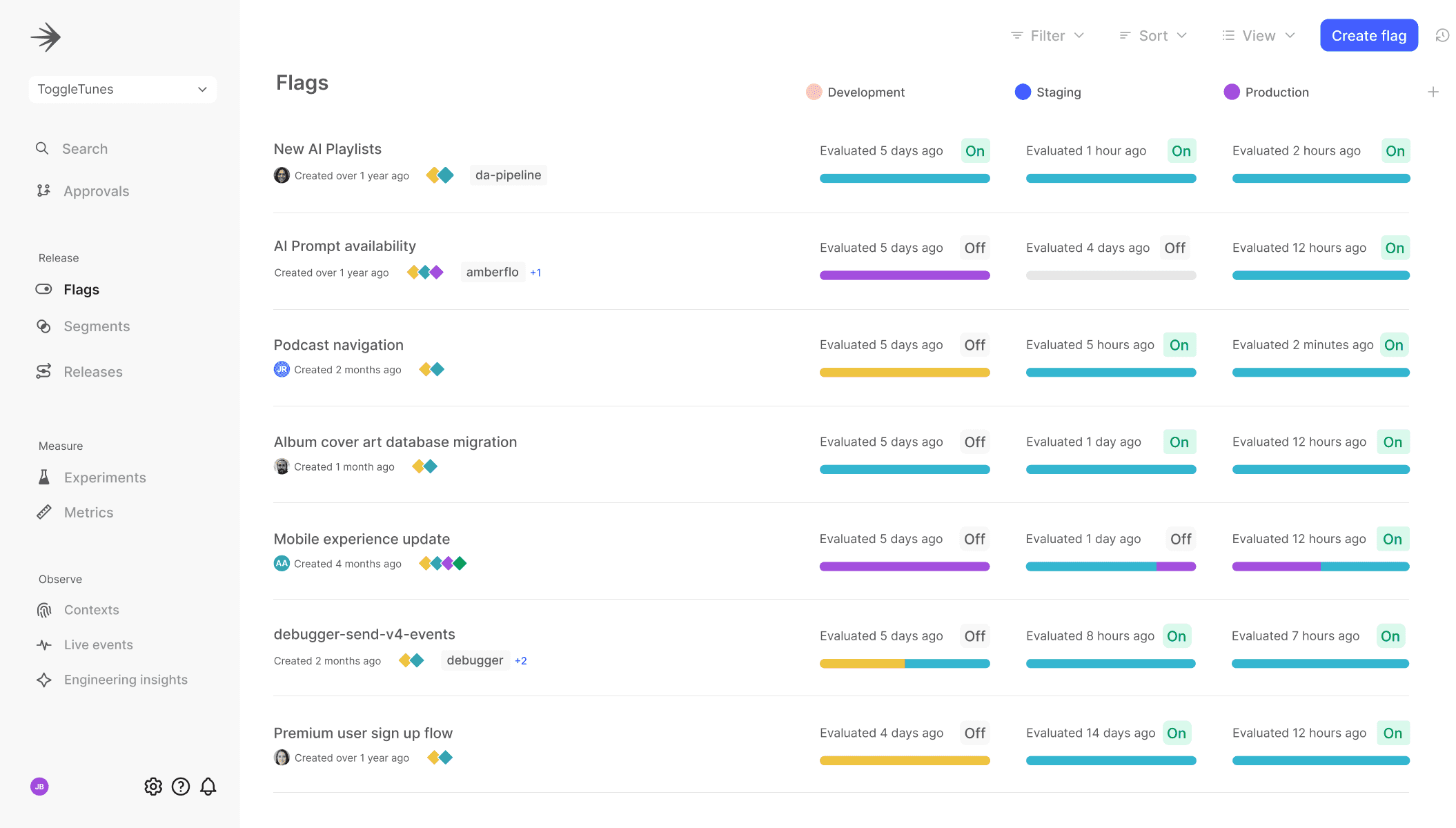
Developers can create flags for various features and organize them by context, such as by project, team, or deployment environment (e.g., development, staging, production). Modern tools often provide a user-friendly dashboard where teams can view all active and inactive flags, ensuring clarity over the status of features.
Version control is another critical aspect of flag management. These tools typically log changes made to flags, including updates to conditions, target audiences, or rollout percentages. This historical record helps teams identify and troubleshoot issues by pinpointing specific changes that may have introduced unexpected behavior. Flag expiry management allows teams to set time limits or reminders to remove unused flags, reducing technical debt.
Rollout strategies
Rollout strategies enable teams to release features in a controlled and phased manner. Percentage-based rollouts, for example, allow developers to enable a feature for a small subset of users, such as 5% or 10% of the total user base. This method reduces risk by limiting the scope of exposure if issues arise. As confidence in the feature grows, the rollout percentage can be gradually increased until the feature is available to all users.
Another common strategy is phased rollouts, where features are activated for specific groups of users, such as internal testers, beta testers, or customers from a particular geographic region. By segmenting the rollout, teams can monitor the performance and stability of features in a controlled environment before scaling it to a broader audience. These tools also support canary deployments, where new features are tested first on a single server or region.
Dynamic targeting
Dynamic targeting allows teams to define complex conditions under which a flag is activated. For example, a feature can be turned on for users based on their demographic data, geographic location, subscription level, or behavioral patterns. This granularity allows new features to be introduced to subsets of users most likely to benefit from or provide feedback about the feature.
For example, e-commerce platforms can use dynamic targeting to enable features like personalized recommendations or regional promotions for users in specific markets. Similarly, SaaS platforms can activate premium features only for enterprise-tier subscribers, giving teams more control over their product offerings and business models.
Analytics and insights
Feature flag tools provide analytics and insights into how features perform in production. These analytics help teams track the adoption and impact of new features, measure key performance indicators (KPIs), and determine whether a feature meets its intended goals. Metrics like user engagement, error rates, and conversion rates can be linked to feature flags, offering insights.
For example, if a new feature results in a higher-than-expected error rate or a drop in user satisfaction scores, teams can quickly switch off the flag to mitigate the issue while investigating further. Conversely, positive metrics like increased engagement or improved retention can validate the feature’s effectiveness and justify a full rollout.
Performance and reliability
Feature flag tools are designed to minimize the performance overhead of evaluating flag conditions during application runtime. This often involves the use of in-memory caches, distributed data stores, and efficient flag evaluation algorithms to ensure negligible latency, even in high-traffic environments.
Reliability is another essential factor. Many tools include failover mechanisms to ensure the application remains functional if the flagging service experiences downtime. For example, a feature flag system might return default values or cache the last known state of flags to prevent disruptions.

Tony Kelly is a DevOps marketing leader who drives innovation and awareness of the latest trends in Continuous Delivery.
10 notable feature flag solutions
Managed / SaaS feature flag platforms
1. LaunchDarkly
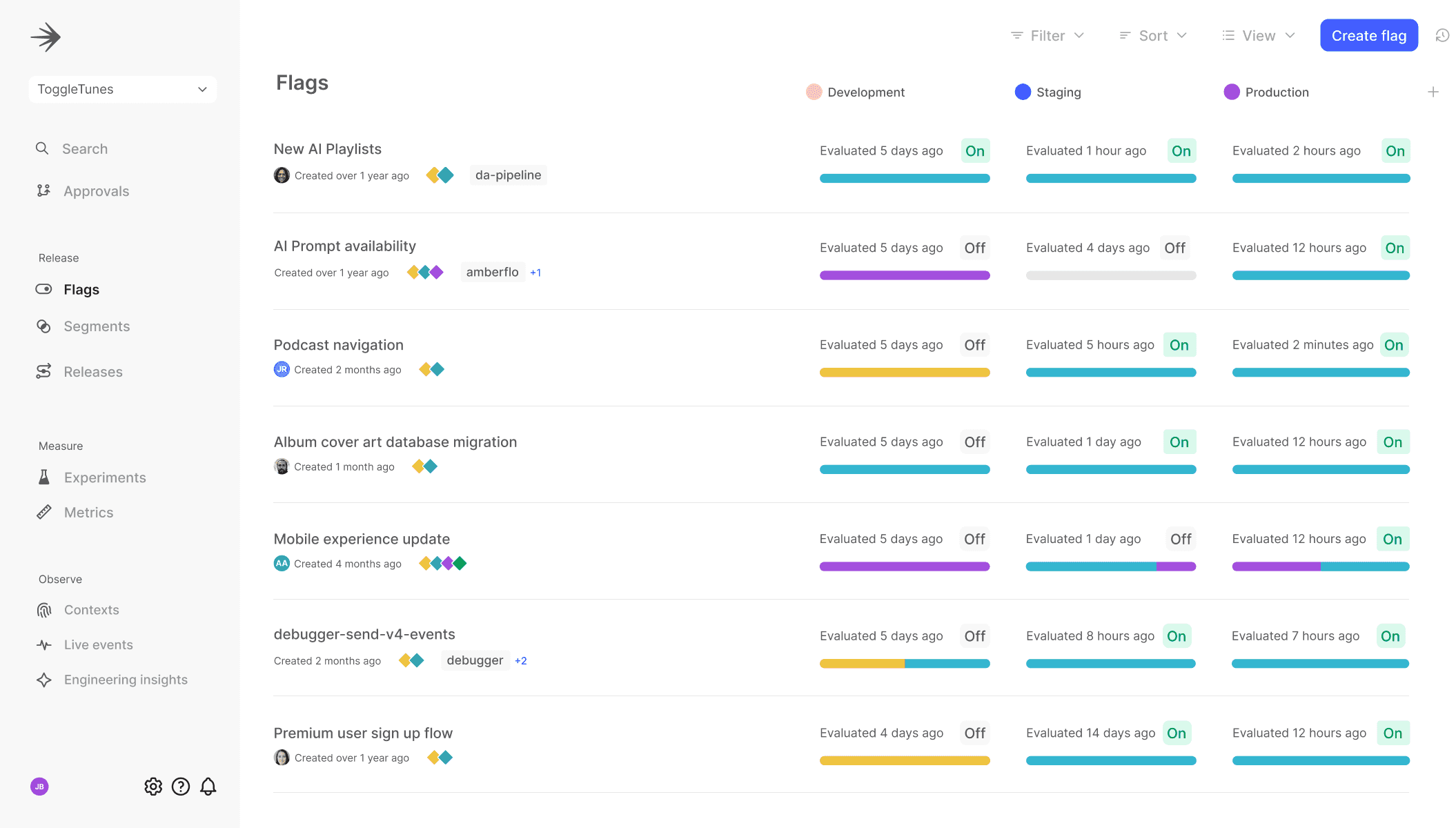
LaunchDarkly is a feature management platform that combines feature flagging, experimentation, observability, and analytics to help teams control software releases and measure their impact. It integrates with developer workflows through SDKs and tooling while providing infrastructure designed to evaluate feature flags at large scale with low latency.
Key features include:
-
Feature flag management: Create and control feature flags that allow teams to separate code deployment from feature releases and manage application behavior dynamically.
-
Progressive rollouts: Gradually release features to selected user segments using percentage rollouts or targeted rules, reducing the risk of introducing errors to all users.
-
Experimentation and analytics: Run experiments tied to feature flags and track metrics related to feature performance, user behavior, and business outcomes.
-
Automated rollbacks: Monitor release health metrics and automatically revert feature changes when defined thresholds are exceeded.
-
Developer integrations: Integrate feature flag management into development workflows through SDKs, command-line tools, IDE support, and integrations with external systems.

Source: LaunchDarkly
2. DevCycle
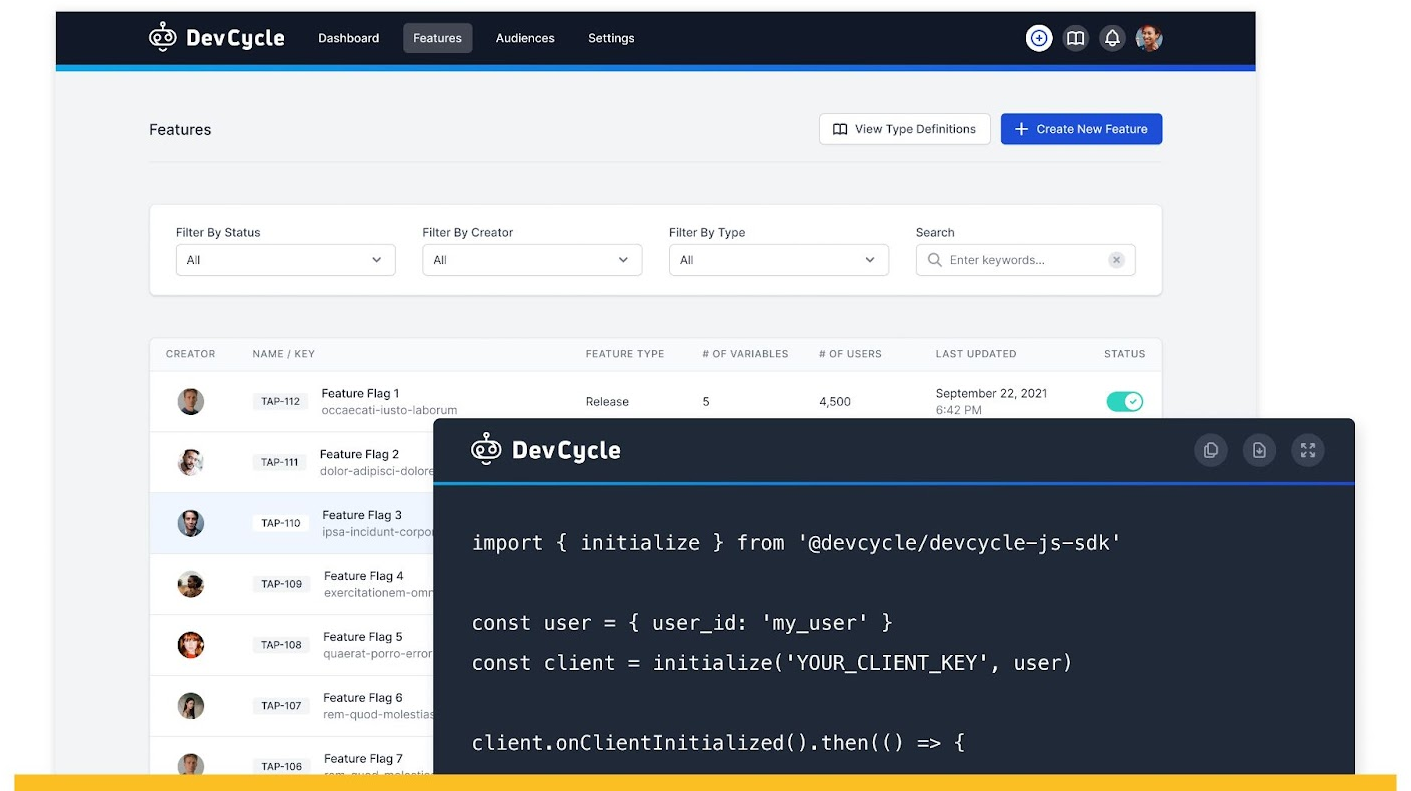
DevCycle is a feature management platform built around the OpenFeature standard to help development teams release software safely and manage feature flags across environments. The platform emphasizes portability and interoperability, allowing organizations to integrate feature flagging into existing workflows without vendor lock-in.
Key features include:
-
OpenFeature-native platform: Built with native support for the OpenFeature standard, enabling teams to maintain flexibility and switch providers if needed.
-
Feature flag visibility: Provide centralized visibility into which features are active across development, staging, and production environments.
-
Real-time feature updates: Enable or disable features instantly without redeploying applications or restarting services.
-
Experimentation and A/B testing: Run experiments to validate feature performance and make data-driven release decisions.
-
Role-based access control: Manage feature flags securely with granular permissions for different teams and users.

Source: DevCycle
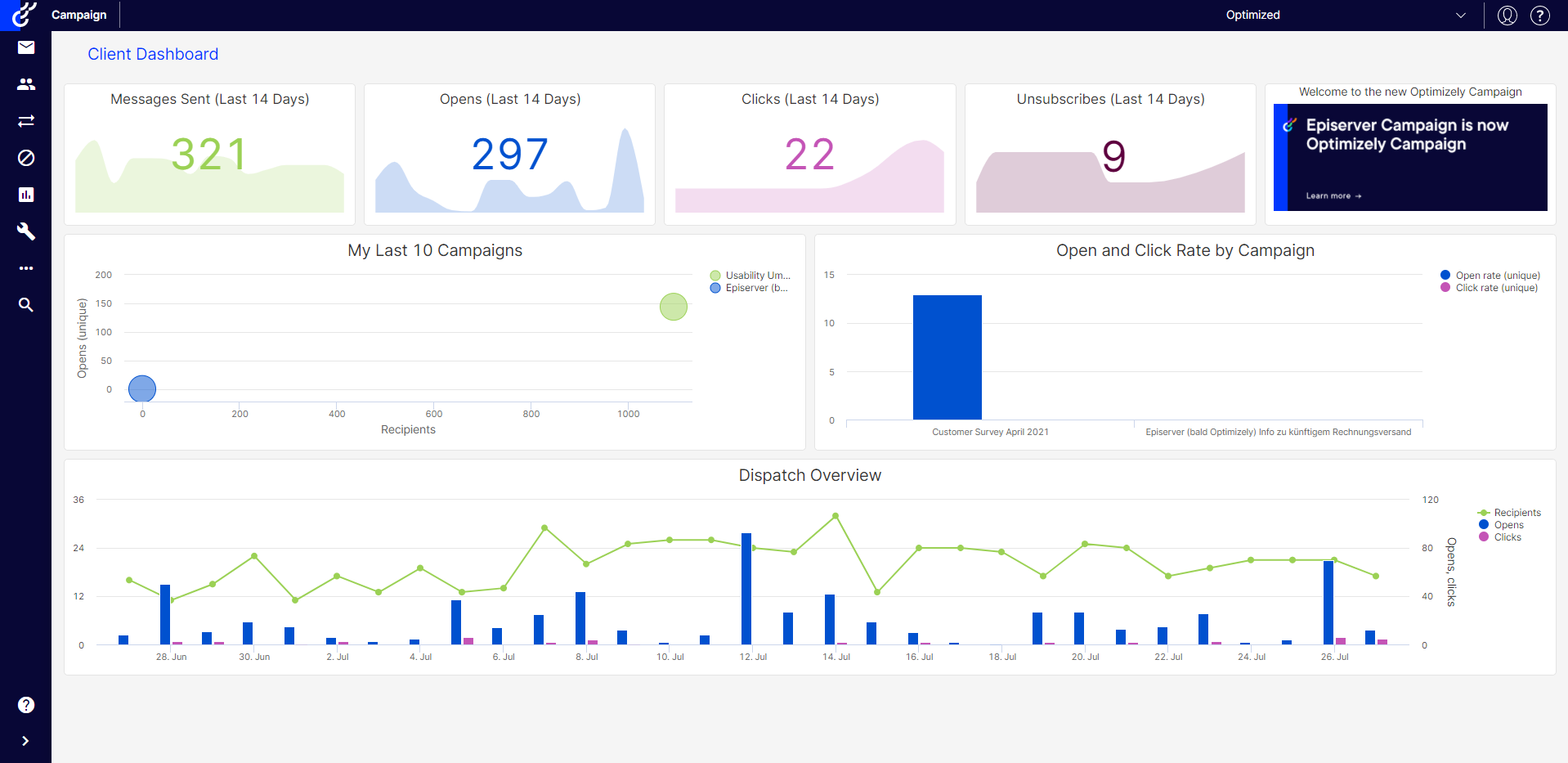
3. Optimizely
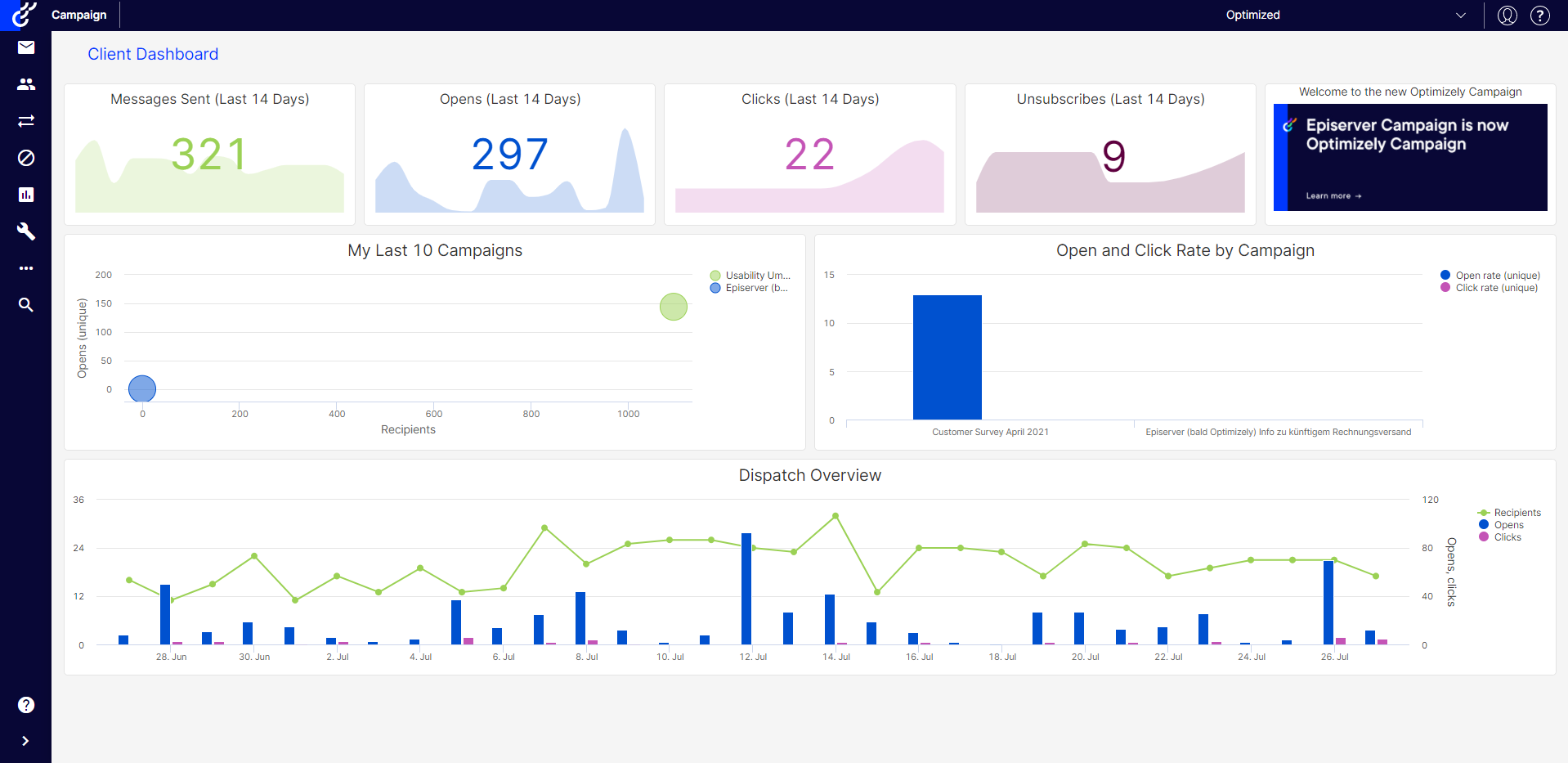
Optimizely provides experimentation and feature management capabilities that allow product, marketing, and engineering teams to test and optimize digital experiences. Through feature flags and experimentation tools, teams can validate product ideas, analyze user interactions, and refine application behavior before full releases.
Key features include:
-
Feature flag control: Enable developers to release new functionality gradually by activating or deactivating features for targeted user segments.
-
Server-side experimentation: Run controlled experiments on backend systems to test product changes and measure their effects on user behavior.
-
CI/CD integration: Integrate feature management into automated development pipelines to support faster, iterative releases.
-
Developer SDK support: Provide SDKs for multiple programming languages to simplify feature flag implementation in different environments.
-
Experiment-driven iteration: Use experimentation data to refine features before rolling them out broadly to users.

Source: Optimizely
4. Split
Split is a feature management platform that combines feature flagging with monitoring and experimentation capabilities. It enables teams to control feature releases while measuring how those changes affect system performance and user behavior in real time.
Key features include:
-
Feature management at scale: Create and manage feature flags across applications to separate deployment from release and support faster delivery cycles.
-
Release monitoring: Monitor the performance impact of feature releases and receive alerts when changes affect system metrics or user behavior.
-
Experimentation capabilities: Run experiments tied to feature flags to evaluate product changes and identify which variations perform best.
-
Feature impact analysis: Connect feature flags with application metrics to understand how each change affects performance and engagement.
-
Collaborative development workflows: Enable teams across engineering and product functions to participate in experimentation and feature rollout decisions.
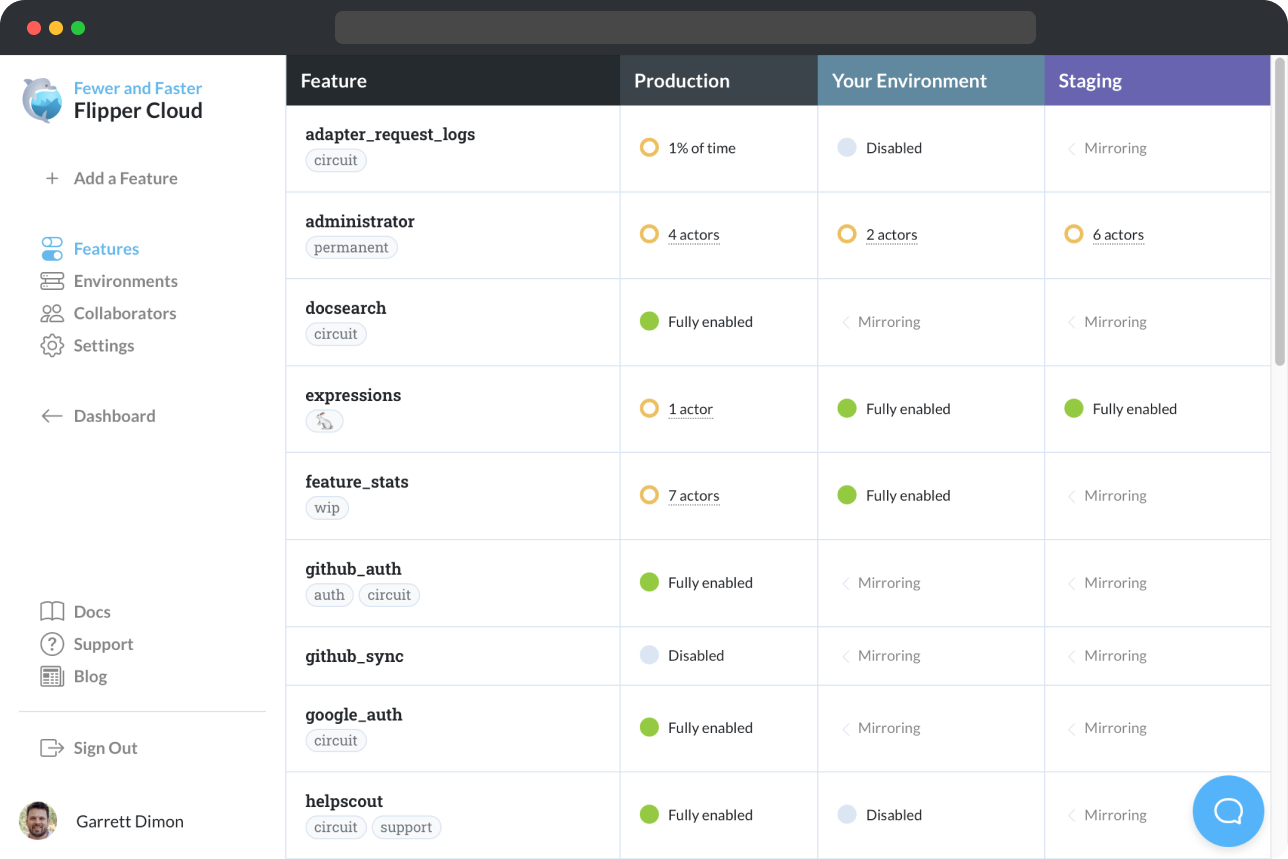
5. Flipper Cloud
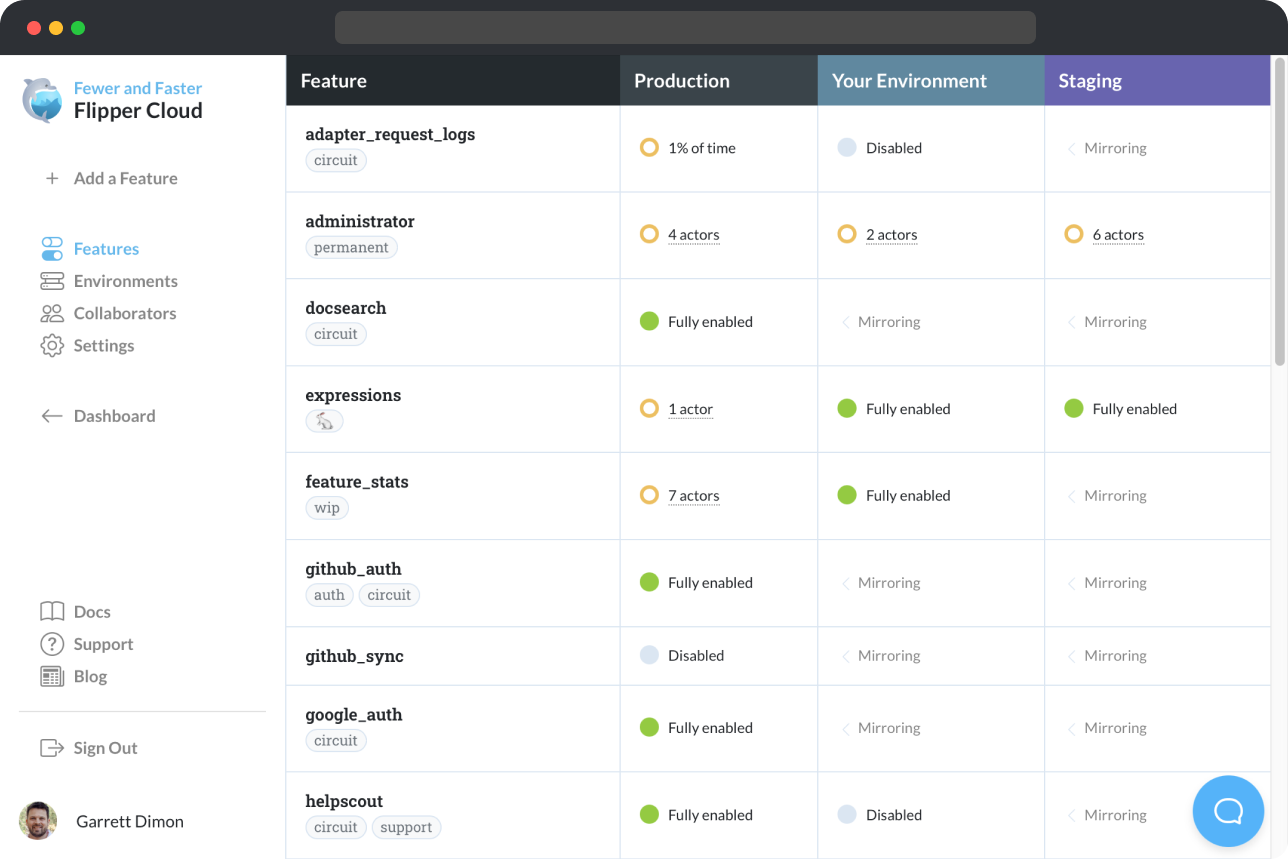
Flipper Cloud is a feature flag management service built around the Flipper library used in Ruby applications. It allows development teams to deploy code frequently while controlling when and how features become available to users.
Key features include:
-
Gradual feature rollouts: Release features progressively to selected users, groups, or percentages of the user base.
-
Environment-aware management: View and compare the state of feature flags across different environments from a centralized interface.
-
Organized feature management: Keep feature flags structured and manageable through tagging, categorization, and ownership tracking.
-
Audit history: Track changes made to feature flags and record when and by whom updates were applied.
-
Workflow integration: Integrate feature flag management into development workflows used in Ruby frameworks such as Rails or Sinatra.

Source: Flipper Cloud
Open-source / self-hosted feature flag platforms
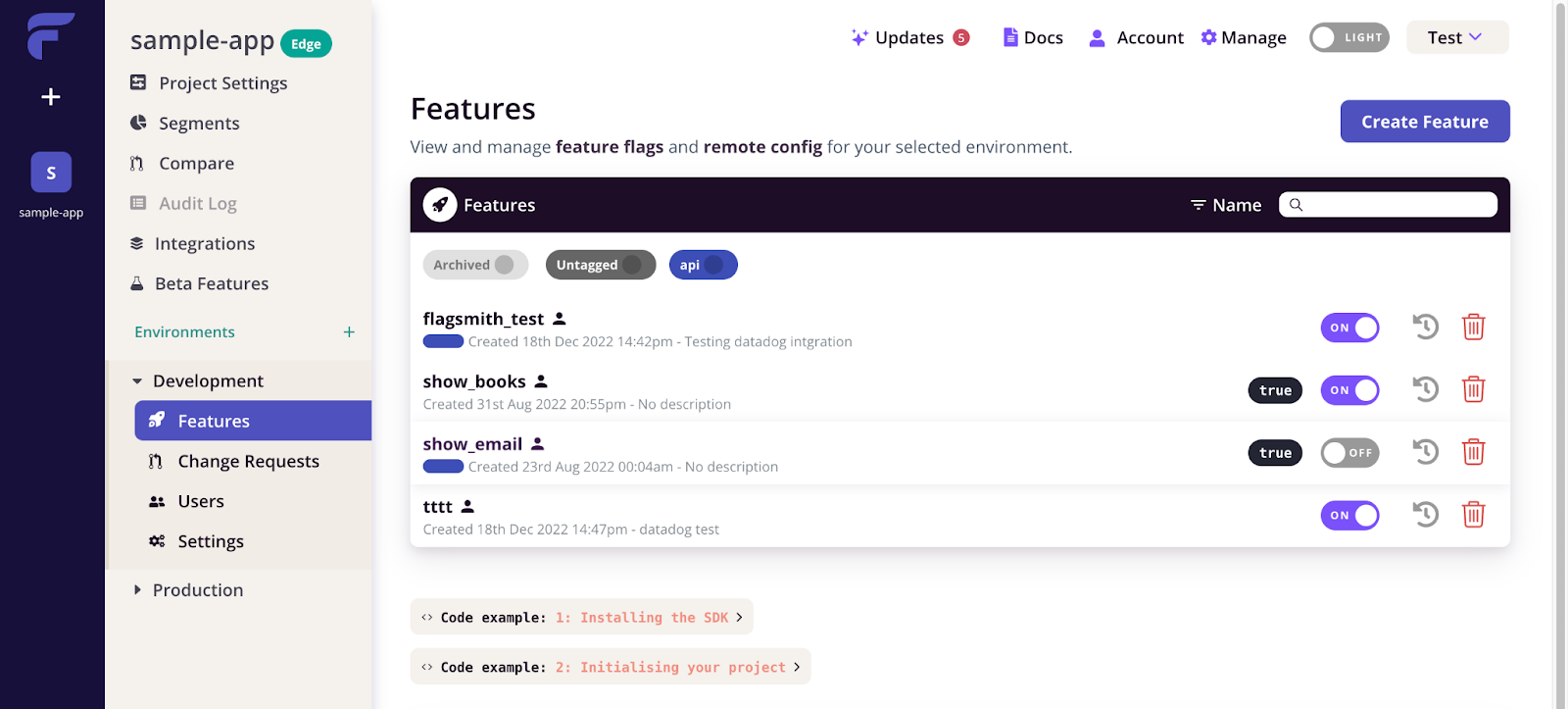
6. Flagsmith
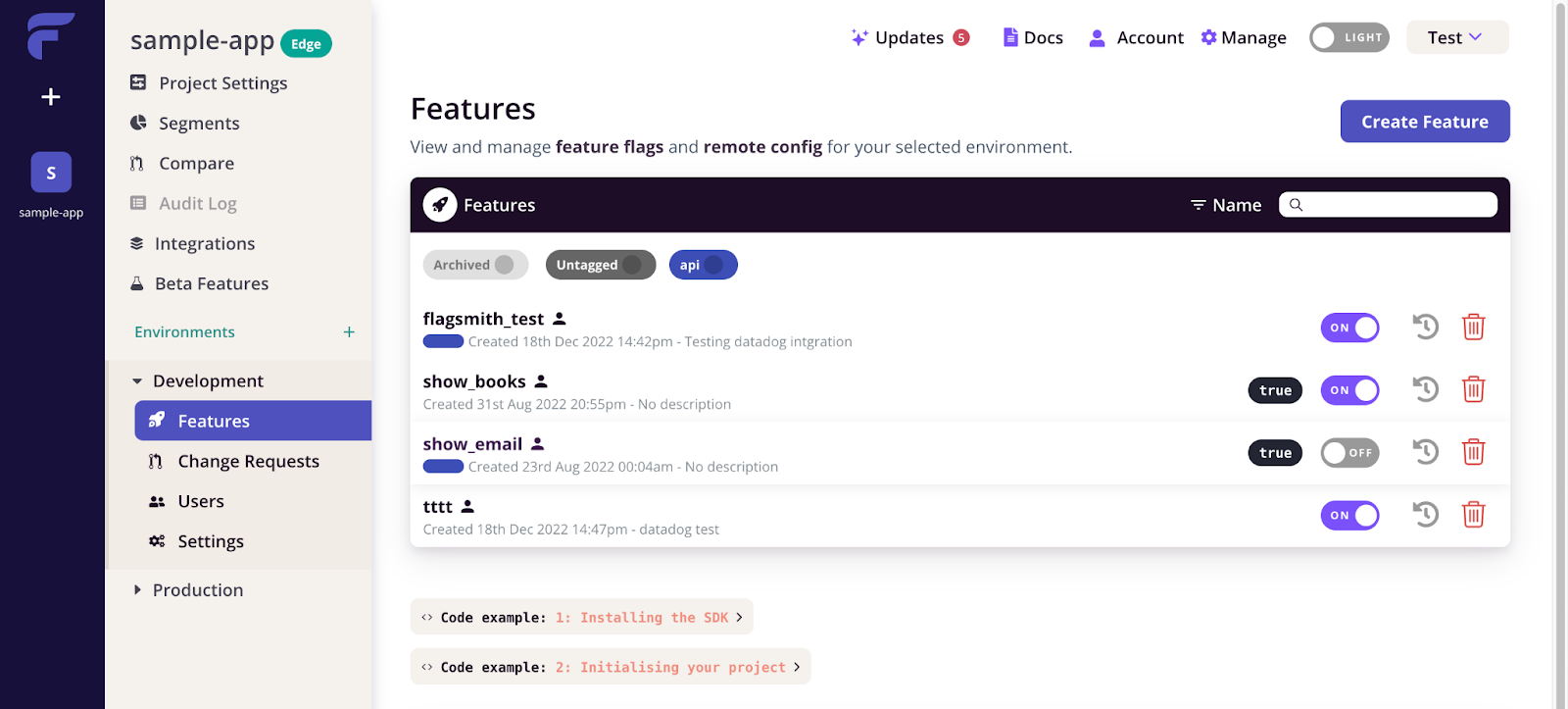
Flagsmith is an open-source feature flag platform to help teams manage feature releases across web, mobile, and server-side applications. It provides centralized control over feature toggles and supports strategies such as segmentation, staged rollouts, and remote configuration.
Key features include:
-
Multi-platform feature flag management: Manage feature flags across frontend, backend, and mobile applications from a unified interface.
-
Granular segmentation rules: Target feature rollouts based on users, environments, or percentage-based rules.
-
Experimentation support: Use multivariate feature flags to run A/B or multivariate experiments for product optimization.
-
Remote configuration capabilities: Modify application behavior or feature parameters in real time without redeploying code.
-
Flexible deployment options: Deploy the platform as a SaaS service, private cloud instance, or fully self-hosted solution.

Source: Flagsmith
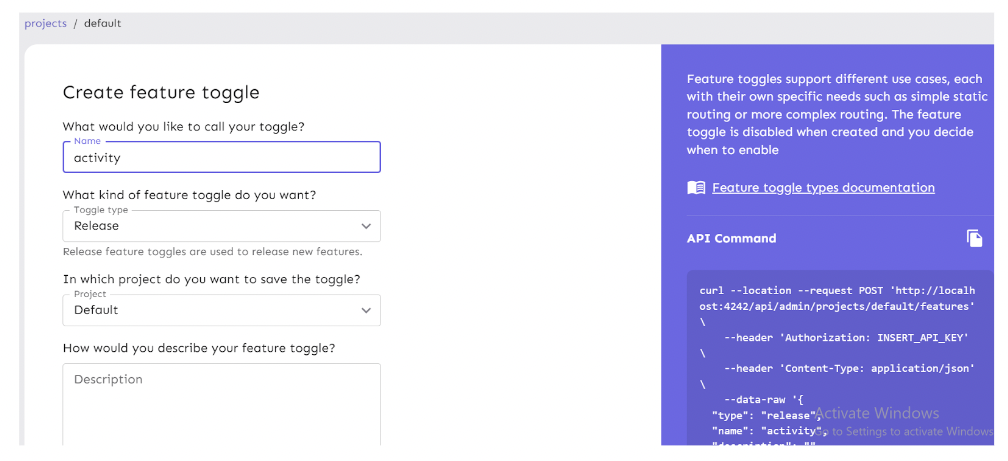
7. Unleash
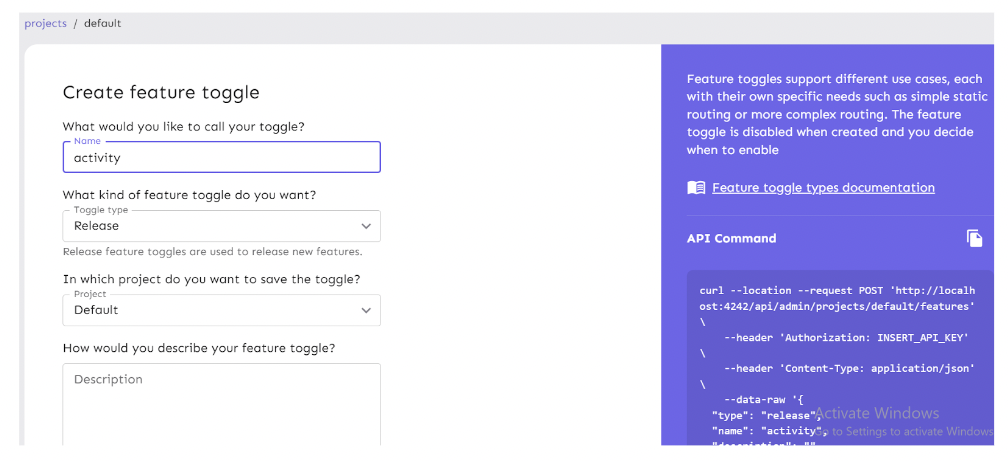
Unleash is an open-source feature management platform that gives development teams greater control over software releases while meeting enterprise requirements for security and governance. By separating feature deployment from release decisions, it helps organizations reduce risk and accelerate delivery cycles.
Key features include:
-
Progressive rollout strategies: Configure feature flags to roll out gradually using segmentation rules and targeted conditions.
-
Kill switches and rollbacks: Disable features instantly if issues arise, helping teams maintain system stability.
-
Experimentation capabilities: Run experiments using reusable user segments and multi-variant testing strategies.
-
Telemetry and signals: Collect operational signals and telemetry to evaluate feature performance and adjust rollout strategies.
-
Enterprise security controls: Provide role-based access control, audit logs, and deployment models that keep user data within controlled environments.

Source: Unleash
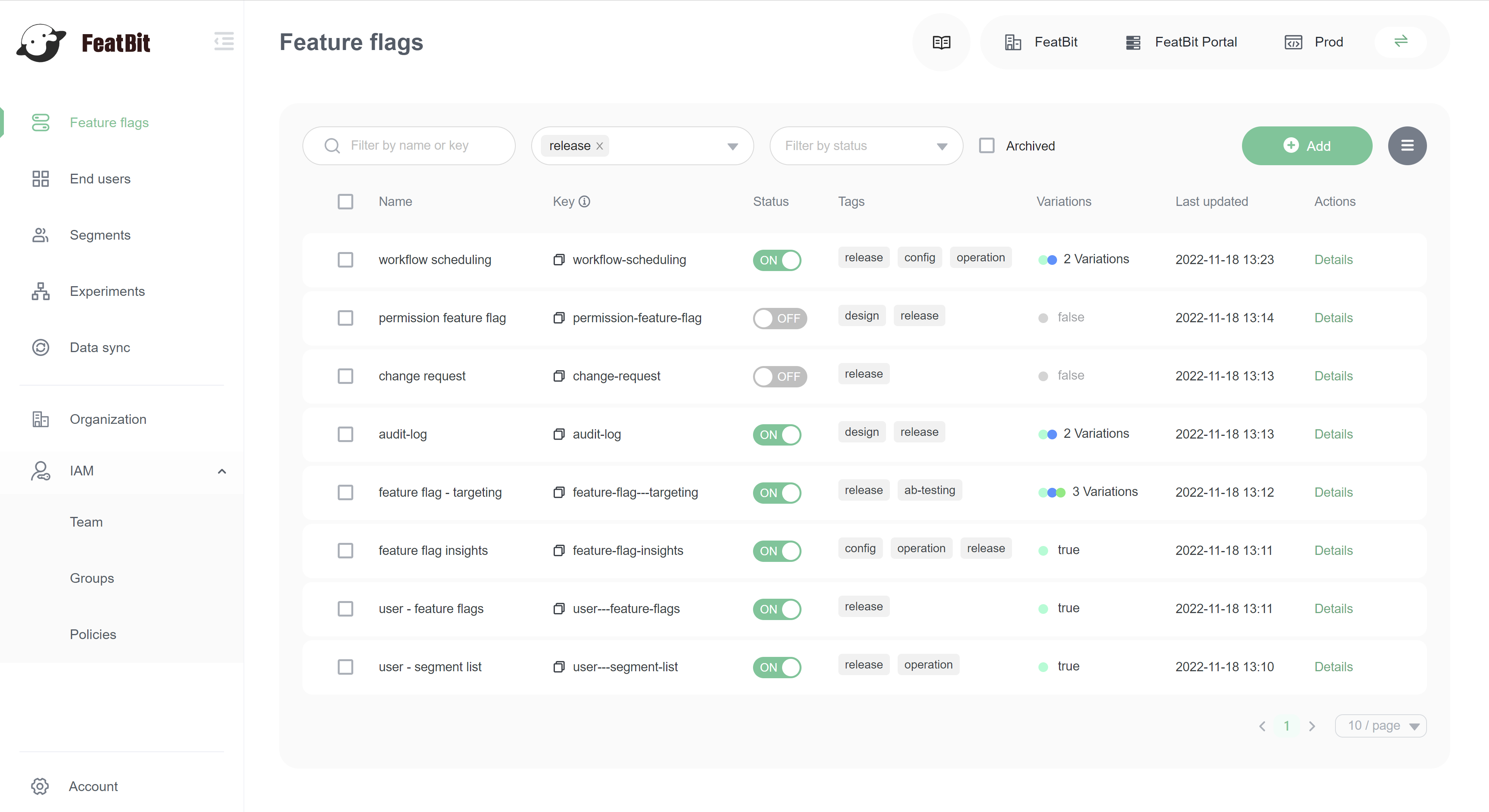
8. FeatBit
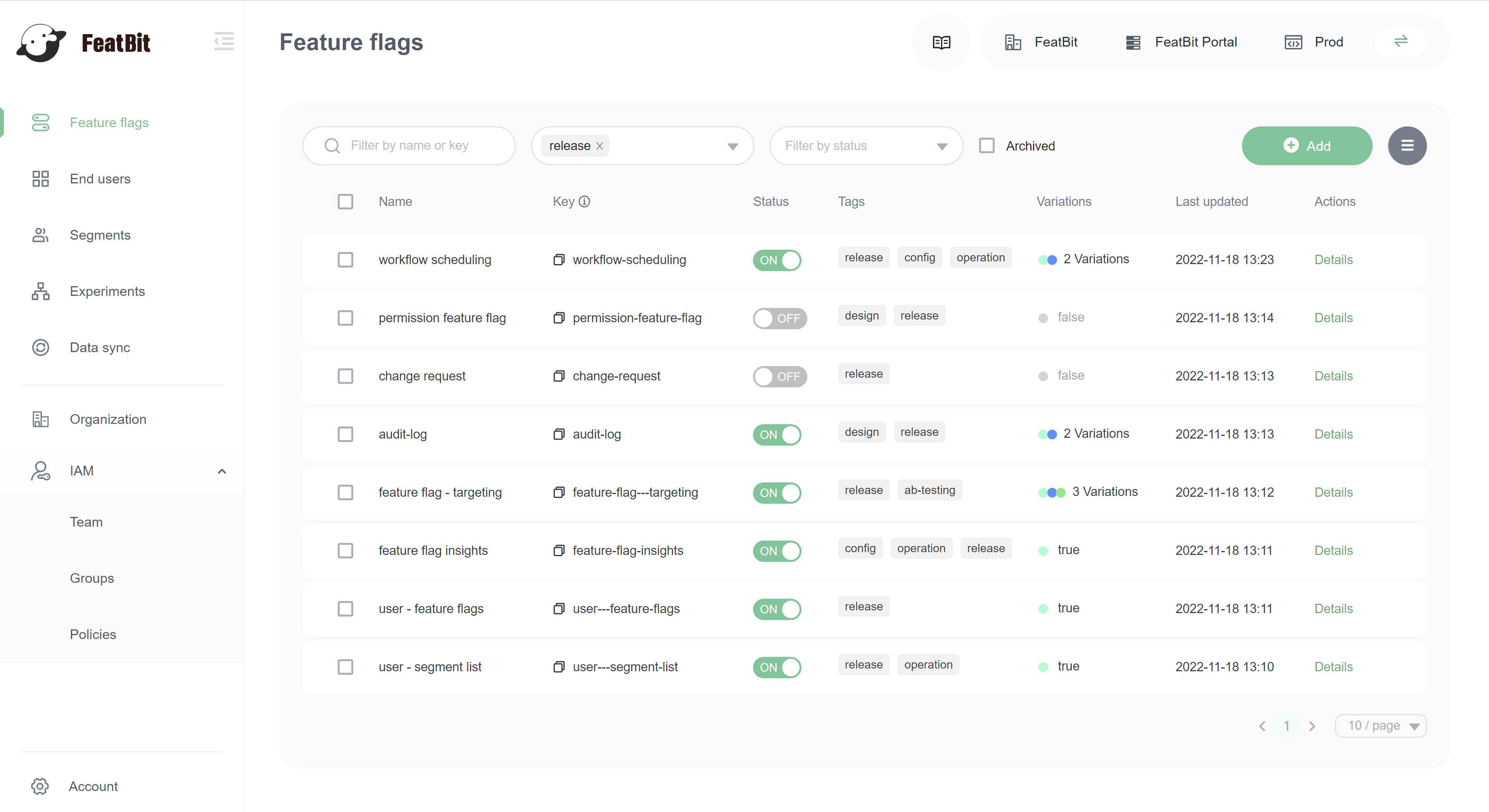
FeatBit is an open-source feature flag management system to support controlled feature releases and experimentation. It allows development teams to deploy code independently from feature availability and evaluate feature performance through controlled rollouts.
Key features include:
-
Controlled feature releases: Enable gradual rollouts that start with small user segments before expanding to larger audiences.
-
Targeted user experiences: Deliver features to specific users or segments to test new functionality and gather feedback.
-
Experimentation support: Run A/B tests to compare feature variants and determine which version performs better.
-
Rapid error recovery: Disable problematic features quickly without redeploying applications.
-
Developer-focused implementation: Use simple code-based controls to integrate feature flags directly into development workflows.

Source: FeatBit
9. Flipt
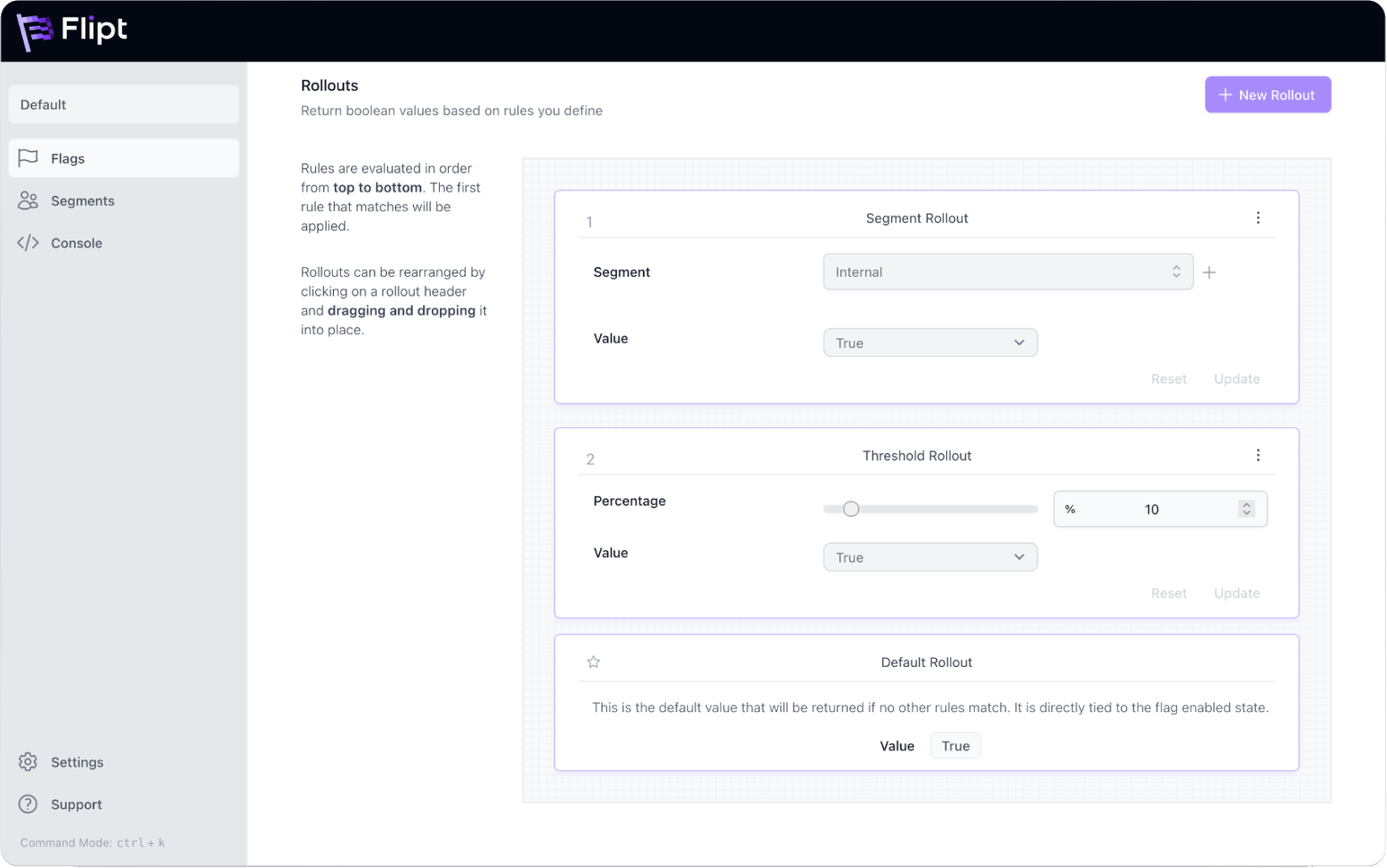
Flipt is a feature flag platform that integrates closely with Git-based workflows, allowing teams to manage feature flags using familiar version control processes. It supports both open-source self-hosted deployments and managed services while emphasizing simplicity and transparency.
Key features include:
-
Git-native workflows: Manage feature flag changes through version-controlled commits and pull requests.
-
Real-time rollouts and rollbacks: Apply feature flag changes immediately through streaming updates.
-
Simple self-hosted deployment: Deploy the platform quickly with minimal dependencies using a single binary.
-
Flexible integration models: Evaluate flags through server-side SDKs, client-side SDKs, or APIs.
-
Developer-focused tooling: Provide APIs, SDKs, and integrations that support common programming languages and development environments.

Source: Flipt
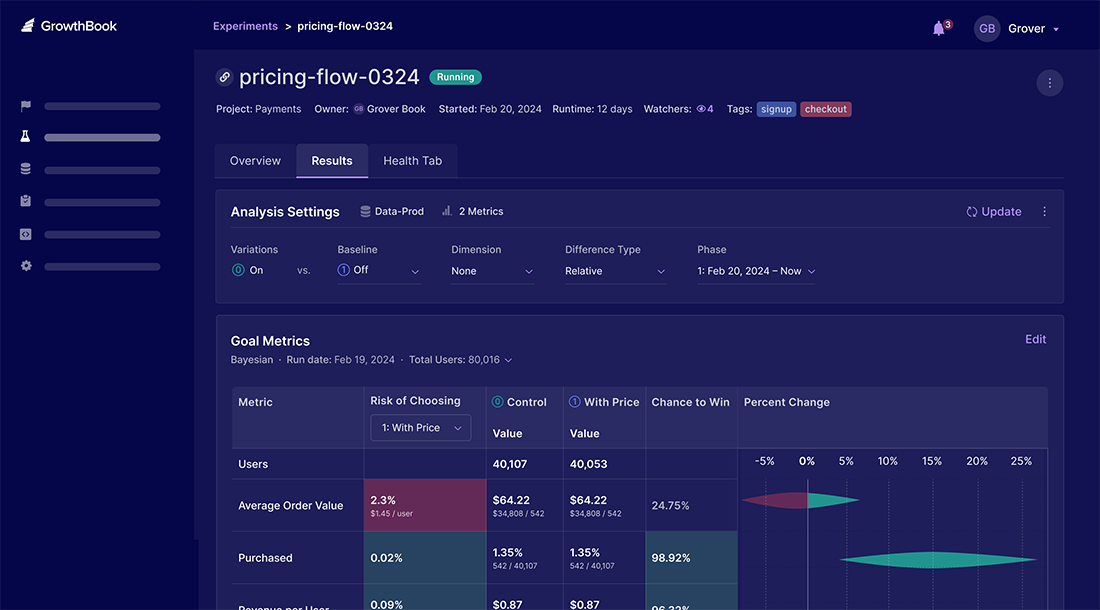
10. GrowthBook
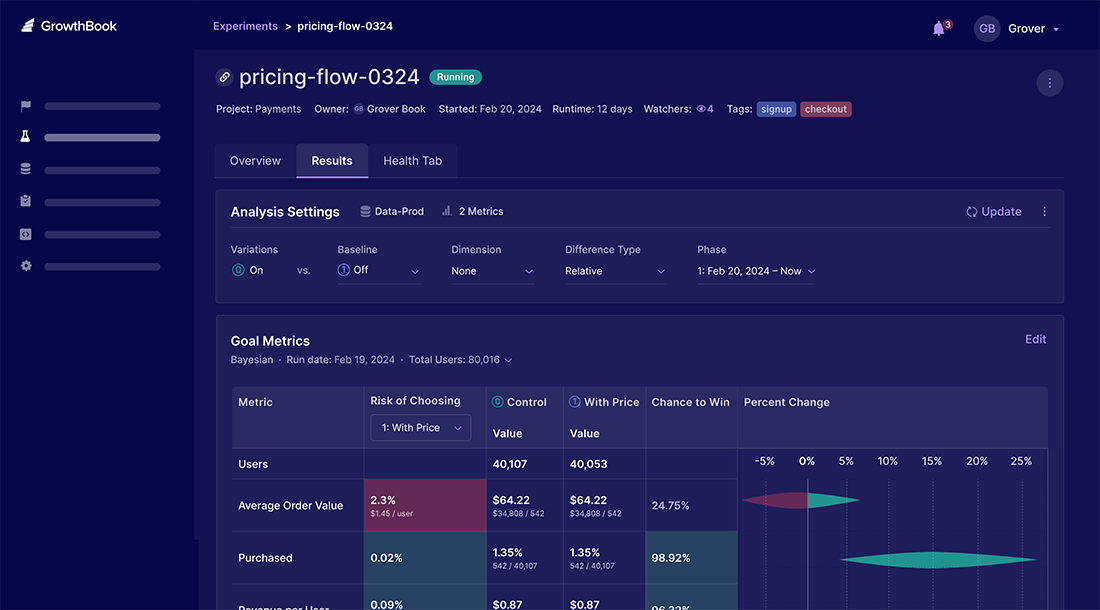
GrowthBook is an open-source platform for feature flagging and experimentation that helps teams release code safely while measuring the impact of product changes. It combines feature management with experimentation capabilities and integrates directly with existing data warehouses so teams can analyze results using their own product data.
Key features include:
-
Open-source feature flagging: Manage feature flags within applications to control releases and maintain a clean codebase as systems scale. The platform supports self-hosting for teams that require full control over infrastructure and data.
-
Experimentation platform: Run end-to-end A/B tests to evaluate feature performance and continuously improve products. Teams can design experiments, track metrics, and analyze results to determine which changes deliver measurable impact.
-
Warehouse-native analytics: Connect the platform directly to an organization’s data warehouse to analyze experiments using existing product data. This approach centralizes data analysis and avoids duplicating analytics pipelines.
-
Lightweight SDKs for performance: Use small, efficient SDKs that evaluate feature flags locally without requiring network requests. This reduces latency and helps maintain fast application load times.
-
Advanced statistical analysis: Apply multiple statistical methods for experimentation, including Bayesian and frequentist approaches, along with techniques like CUPED and multiple-metric corrections to improve experiment accuracy.

Source: GrowthBook
Conclusion
Feature flag tools are indispensable for modern software development, enabling teams to deploy features safely and efficiently while minimizing risks. By decoupling code deployment from feature releases, these tools enhance flexibility in development workflows, support data-driven decision-making through experimentation, and improve user experience with targeted rollouts.
Help us continuously improve
Please let us know if you have any feedback about this page.