What is a DevOps provider?
DevOps service providers help organizations implement DevOps practices through consulting, cloud migration, automation, and managed services. Key providers include Octopus Deploy, GitLab CI/CD, Terraform, Ansible, Prometheus, Grafana, Checkmarx, Inedo, Sumatosoft, and ScienceSoft, who offer expertise in areas like DevSecOps and Site Reliability Engineering (SRE).
What DevOps service providers offer:
- CI/CD automation: Setting up and managing Continuous Integration/Continuous Delivery pipelines using tools such as Jenkins, GitLab, Docker, and Kubernetes to simplify software development and deployment.
- Infrastructure automation: Implementing Infrastructure as Code (IaC) using tools like Terraform and Ansible to automate infrastructure provisioning and management.
- Site Reliability Engineering (SRE): Services focused on building and running large-scale, fault-tolerant systems.
- DevSecOps: Integrating security practices throughout the development lifecycle to ensure secure and compliant applications.
- DevOps consulting: Guidance on adopting DevOps methodologies, assessing current environments, and creating transformation strategies.
When selecting a DevOps provider, consider their experience with your specific cloud platforms, the DevOps tools they specialize in, their track record in similar projects, and their ability to provide specialized services like DevSecOps or SRE.
What DevOps service providers offer
CI/CD automation
CI/CD (Continuous Integration/Continuous Deployment) automation lies at the core of DevOps services. Providers set up pipelines that automatically build, test, and deploy code with every change pushed to the repository. This eliminates manual deployment, reduces human error, and accelerates the delivery cycle, ensuring releases are both faster and more reliable.
These automation services extend to unit testing, static analysis, automated approval gates, and rollback mechanisms in case of failure. Providers integrate these pipelines with popular tools like Jenkins, GitLab CI/CD, or Azure Pipelines, adapting them to client-specific environments. The end result is a repeatable, traceable, and efficient process for getting new features or fixes into production.
Infrastructure automation
Infrastructure automation involves using Infrastructure as Code (IaC) tools such as Terraform, Ansible, or CloudFormation to provision and manage servers, networks, and cloud resources. DevOps providers write automated scripts that define, deploy, and update infrastructure without manual intervention, ensuring consistency across environments.
This approach reduces configuration drift, speeds up environment replication, and simplifies scaling and recovery. Infrastructure automation also enables rapid creation of ephemeral testing environments, enables disaster recovery, and supports ongoing compliance needs. Providers ensure these scripts integrate with CI/CD pipelines for end-to-end automation.
Site Reliability Engineering (SRE)
Site Reliability Engineering (SRE) services blend software engineering with operations to ensure scalable and highly reliable systems. DevOps providers offer SRE as a service by introducing practices like service level objectives (SLOs), error budgets, and automated incident response procedures. Their focus is on system resilience and maintaining uptime even at scale.
SRE offerings may include implementing autoscaling, chaos engineering, and performance tuning, as well as blameless postmortems for outages. Providers use tools such as Kubernetes, Prometheus, and custom scripts for efficiency and reliability automation. This approach transforms infrastructure management into a software-driven discipline, reducing operational toil and increasing service quality.
DevSecOps
DevSecOps integrates security into every phase of DevOps pipelines. Providers implement automated security scans, vulnerability assessments, and compliance checks to ensure code and infrastructure are secure from the outset. By embedding security controls within CI/CD processes, they help organizations achieve “shift-left”—addressing risks early rather than retroactively.
In practice, providers use tools like Snyk, Aqua Security, or Checkmarx for automated scanning, as well as integrating secrets management and access controls. They also train teams on secure coding practices and automate policy enforcement. DevSecOps services reduce risk exposure, increase regulatory compliance, and instill a security-first mindset in development teams.
DevOps consulting
DevOps consulting services assess an organization’s current software development and deployment processes. Consultants identify bottlenecks, security gaps, and automation opportunities by conducting audits and workshops. Their recommendations set the roadmap for transformation, ensuring businesses evolve practices and culture to support accelerated and reliable software delivery.
In addition to process assessment, DevOps consultants often guide the implementation of tools and frameworks. They help teams adopt agile approaches, define KPIs for measuring performance, and establish feedback loops. By aligning technology with organizational goals, consulting services lay the groundwork for scalable, maintainable, and secure DevOps operations.
Notable DevOps providers
CI/CD automation tools
1. Octopus Deploy
Octopus Deploy is a sophisticated, best-of-breed Continuous Delivery (CD) platform for modern software teams. It offers powerful release orchestration, deployment automation, and runbook automation while handling the scale, complexity, and governance expectations of even the largest organizations with the most complex deployment challenges.
General features of Octopus:
- Reliable risk-free deployments: Octopus lets you use the same deployment process across all environments. This means you can deploy to production with the same confidence you deploy to everywhere else. Built-in rollback support also makes it easy to revert to previous versions.
- Deployments at scale: Octopus is the only CD tool with built-in multi-tenancy support. Deploy to two, ten, or thousands of customers without duplicating the deployment process.
- One platform for DevOps automation: Runbooks automate routine and emergency operations tasks to free teams for more crucial work. They can also be used to provide safe self-service operations to other teams.
- Streamlined compliance: Full auditing, role-based access control, and single sign-on (SSO) as standard to make audits a breeze and to provide accountability, peace of mind, and trust.

2. GitLab CI/CD
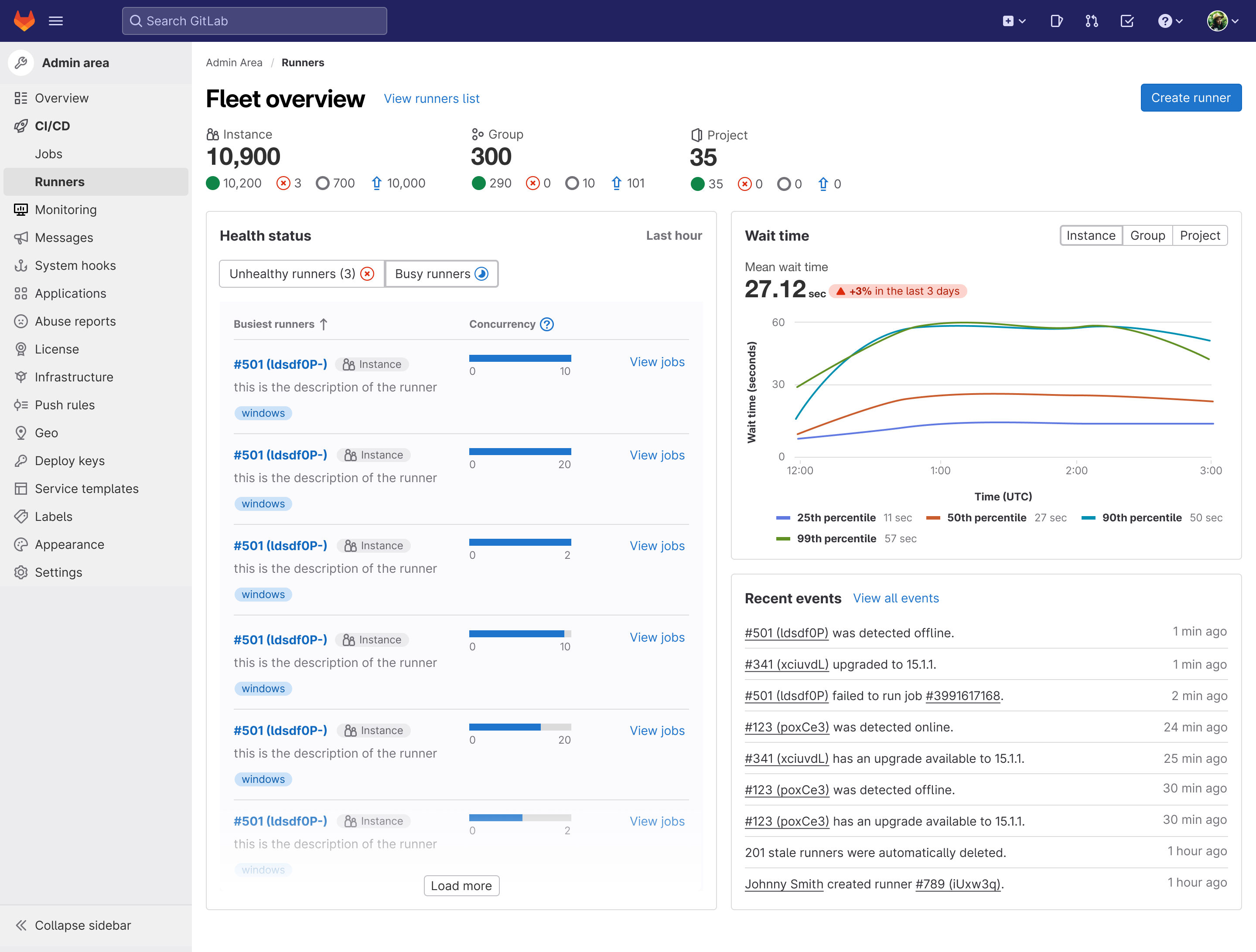
GitLab offers a CI/CD platform that automates the software delivery lifecycle from code commit to deployment within a single interface. It simplifies the process of building, testing, packaging, and deploying applications, allowing teams to release high-quality software more frequently and with greater confidence.
Key features include:
- Built-in CI/CD pipelines: Automatically create and run pipelines using built-in or custom templates
- CI/CD catalog: Use pre-configured pipeline components or create a private catalog for reuse across teams
- Merge trains: Automate sequential merging to ensure main branches remain stable
- Parent-child pipelines: Break down complex pipelines for improved performance and clarity
- Hosted runners: Execute CI/CD jobs without maintaining infrastructure
Infrastructure automation tools
3. Terraform
Terraform is an Infrastructure as Code tool that enables DevOps teams to define and provision cloud and on-premises infrastructure in a consistent, repeatable way. It supports a range of providers including AWS, Azure, and Google Cloud, and handles both low-level and high-level infrastructure components. Using configuration files written in a domain-specific language, teams can manage infrastructure lifecycle through declarative code.
Key features include:
- Declarative configuration language: Define infrastructure in code using a simple and readable syntax.
- State management: Track the current state of infrastructure to detect changes and apply updates safely.
- Execution plans: Preview proposed changes before applying them to identify potential issues.
- Multi-cloud support: Manage resources across various cloud platforms with a unified workflow.
- Modular architecture: Reuse configurations across projects using modules for scalability and standardization.
4. Ansible
Ansible is an open-source automation platform used for provisioning, configuration management, and application deployment. It uses human-readable YAML files to describe automation tasks, making it easier to learn and maintain. Ansible doesn’t require agents, instead connecting over SSH, which simplifies operations across diverse IT environments.
Key features include:
- Agentless architecture: Perform automation tasks without installing software on managed nodes.
- Idempotent execution: Ensure tasks run the same way every time, avoiding unintended changes.
- Readable automation scripts: Use YAML-based playbooks that are easy to understand and document.
- Extensible modules: Add or customize functionality using built-in or custom Ansible modules.
- Execution environments: Package automation content and dependencies for consistent runtime behavior.
Site Reliability Engineering (SRE) tools
5. Prometheus
Prometheus is an open-source monitoring system designed to collect and analyze time-series metrics. It supports a multi-dimensional data model, making it well-suited for high-cardinality environments like microservices. Prometheus uses a pull model to scrape metrics and provides flexible querying with its PromQL language.
Key features include:
- Dimensional data model: Use key-value pairs to label and filter time-series data.
- PromQL query language: Perform advanced queries to support dashboards, alerts, and analysis.
- Integrated alerting: Define rules for triggering alerts and send notifications using Alertmanager.
- Independent operation: Run standalone without external dependencies or distributed storage.
- Ecosystem integrations: Use official and community exporters to monitor various systems and applications.

6. Grafana
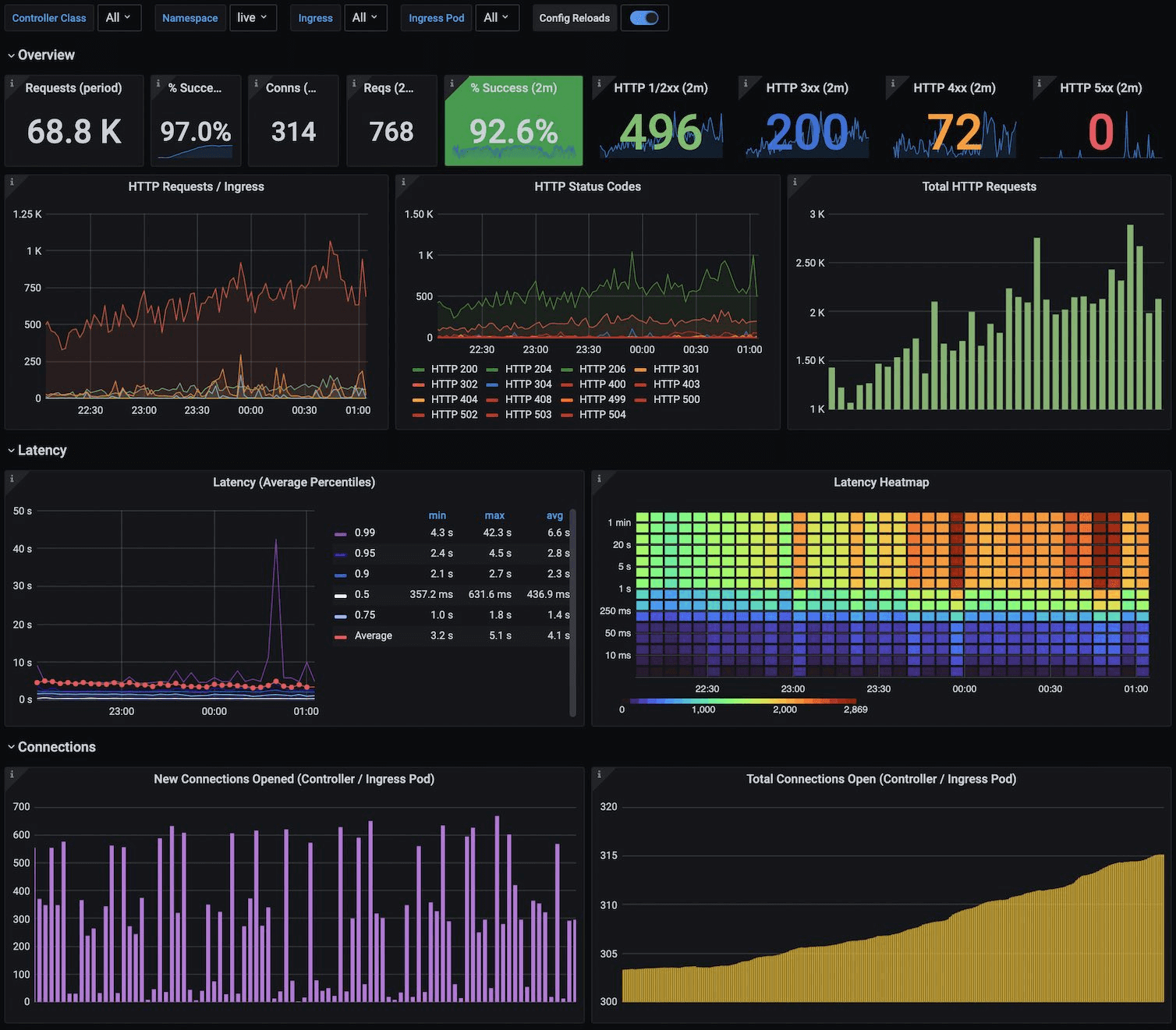
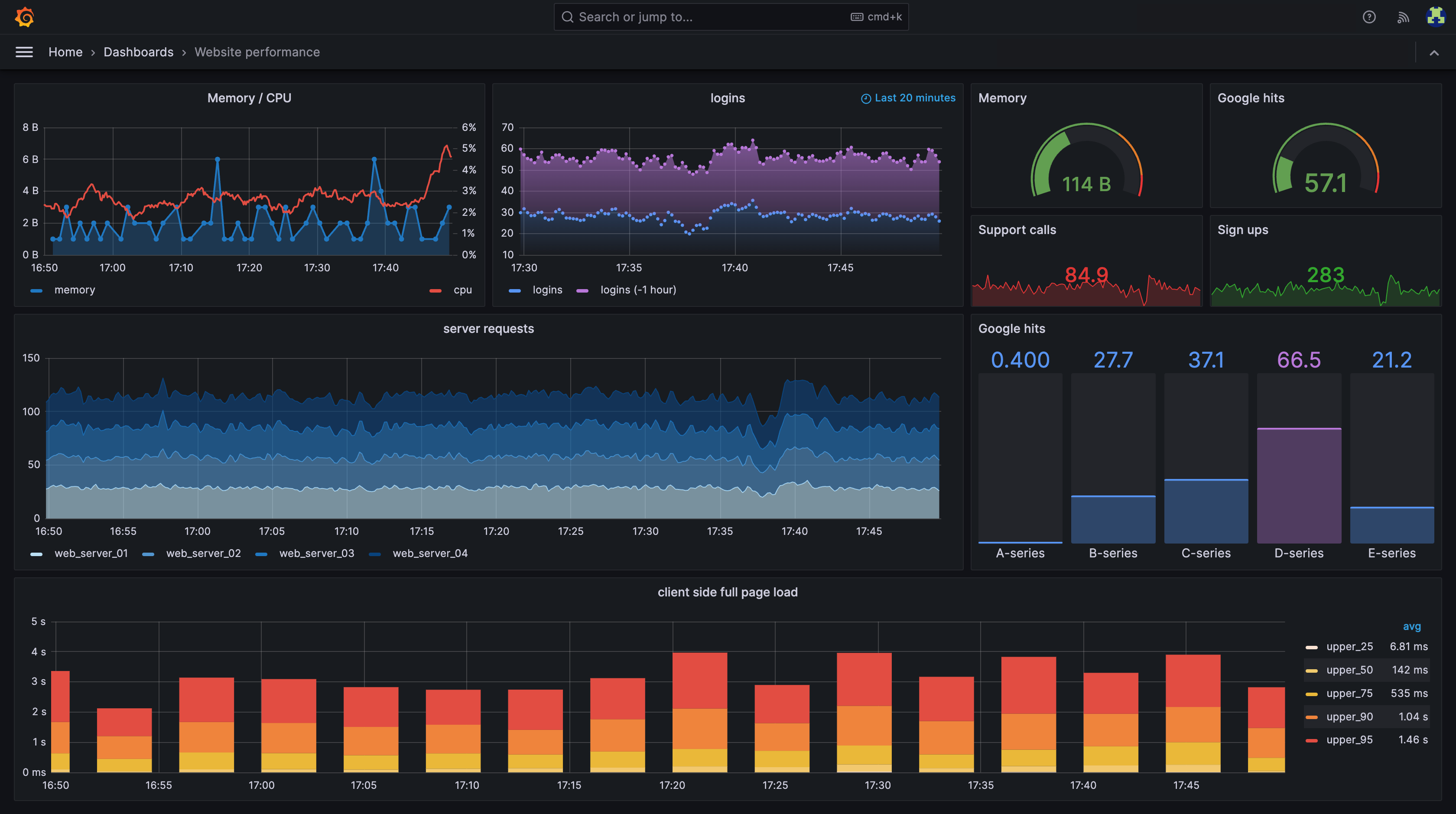
Grafana is an open-source analytics and visualization tool that allows teams to query, visualize, and alert on metrics from multiple data sources. It integrates with Prometheus, Graphite, Loki, and dozens of other backends, providing a centralized platform for observability. Grafana supports dashboards that help identify and resolve system issues quickly.
Key features include:
- Unified observability: Combine metrics, logs, and traces into a single dashboard for root cause analysis.
- Custom dashboards: Build flexible visualizations with drag-and-drop widgets and rich query support.
- Alerting and incident management: Define alert rules and integrate them with on-call workflows.
- AI/ML insights: Use built-in machine learning features for anomaly detection and telemetry optimization.
- Extensive plugin ecosystem: Extend functionality with plugins for data sources, panels, and apps.

DevSecOps tools
7. Checkmarx
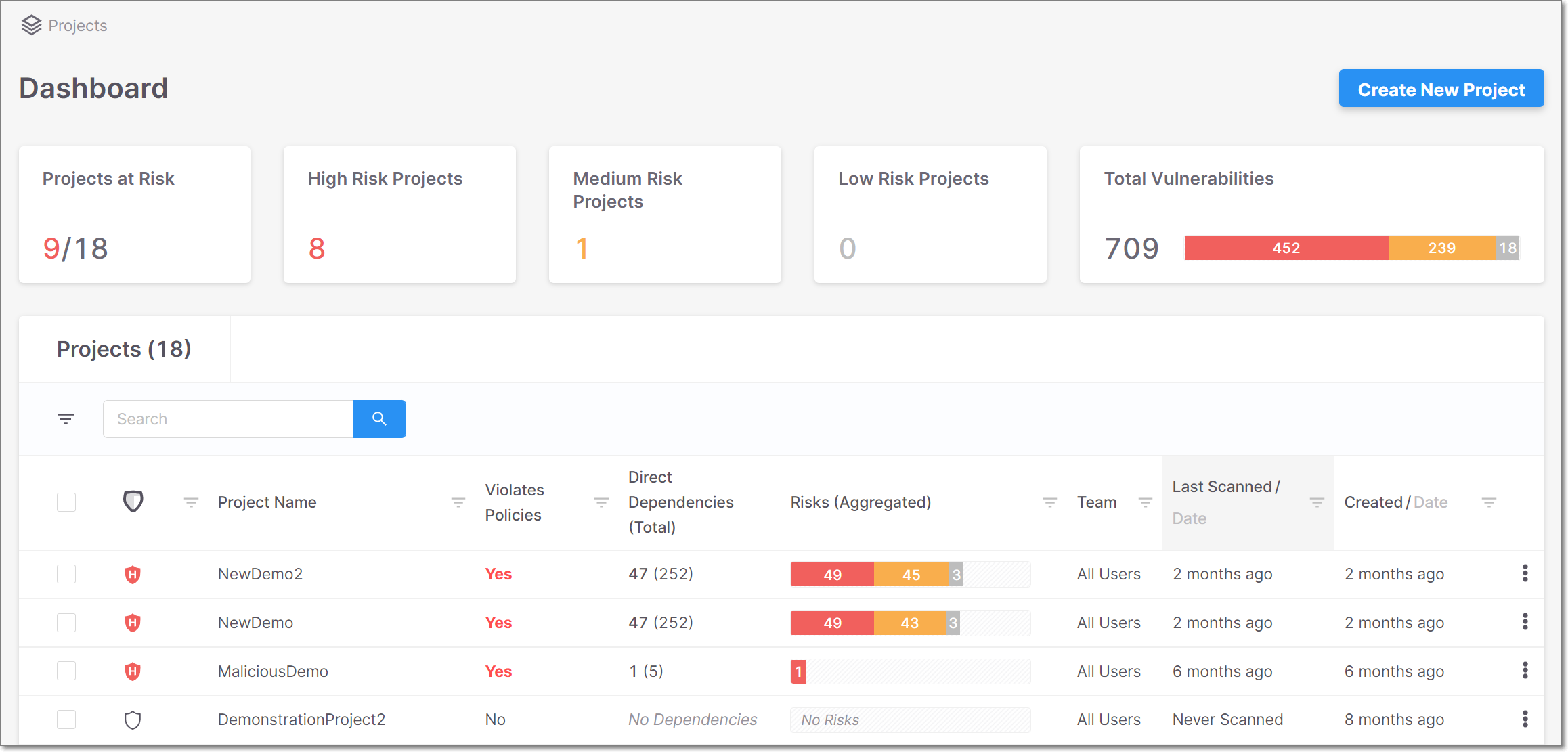
Checkmarx provides a unified application security platform that integrates with development pipelines to embed security throughout the software lifecycle. It supports static, dynamic, and supply chain analysis across a broad set of programming languages and frameworks. It enables centralized security management without disrupting developer workflows.
Key features include:
- Full-spectrum AppSec: Includes SAST, SCA, DAST, IaC security, and secrets detection on one platform.
- Integrated SDLC tooling: Connect once with pipelines and tooling to automate security checks.
- Developer-centric insights: Bring vulnerability data directly into developer tools for faster remediation.
- Wide tech stack support: Cover 75 languages, over 100 frameworks, and modern cloud-native architectures.
- Collaboration-focused workflows: Enable cooperation between AppSec, DevOps, and development teams.
8. Inedo
Inedo provides a DevSecOps tool suite for Windows-based development environments, helping teams automate delivery pipelines, manage configurations, and secure package distribution. Its platform supports both legacy ASP.NET applications and containerized microservices, allowing organizations to continuously deliver software with consistency and control.
Key features include:
- BuildMaster (CI/CD automation): Deliver software across environments—cloud, containers, or on-premises—with visibility and governance
- ProGet (universal package manager): Centralize and secure internal packages (NuGet, npm, Docker, Chocolatey, etc.) to eliminate reliance on public feeds
- Private Docker registry: Host internal container images securely and manage access policies
- Otter (infrastructure automation): Provision servers, manage configurations, and eliminate drift with Git integration or web-based control
- Legacy and modern application support: Automate delivery for monoliths and microservices alike without replacing existing tech stacks

DevOps consulting tools
9. Sumatosoft
Sumatosoft offers DevOps consulting services that focus on aligning software delivery practices with business goals. Their approach emphasizes clear planning, active client involvement, and adaptability. They help clients identify automation opportunities, define scalable architectures, and implement end-to-end software delivery pipelines.
Key features include:
- Business-aligned DevOps strategies: Tailor solutions to organizational goals and workflows.
- IoT and AI integration: Incorporate emerging technologies into DevOps processes.
- Transparent engagement: Provide detailed roadmaps, KPIs, and change management procedures.
- Strong engineering team: Use senior-level expertise across DevOps, software architecture, and cloud.
- Risk and resource management: Proactively identify risks and optimize team allocation for project success.

10. ScienceSoft
ScienceSoft delivers DevOps consulting and implementation services with a focus on scalability, quality, and compliance. Backed by decades of IT experience, their teams assist with infrastructure automation, CI/CD pipeline setup, monitoring, and security integration across regulated industries like healthcare and finance.
Key features include:
- End-to-end DevOps services: Cover CI/CD, infrastructure as code, monitoring, and support.
- Compliance-ready solutions: Address HIPAA, GDPR, and other regulatory requirements.
- Custom consulting: Offer tailored assessments, roadmaps, and toolchain integration plans.
- Experienced DevOps teams: Provide architects, engineers, and consultants for complex projects.
- Ongoing support: Deliver post-launch assistance including scaling, performance tuning, and security updates.

Related content: read our guide to DevOps tools
How to choose a DevOps provider
Choosing the right DevOps provider is critical for ensuring successful adoption and long-term scalability of DevOps practices. The decision should be driven by your organization’s current maturity level, technology stack, business goals, and compliance needs.
Below are key considerations to evaluate when selecting a DevOps provider:
- Technology and toolchain compatibility: Ensure the provider has experience with your existing tools and platforms (e.g., AWS, Azure, Jenkins, Kubernetes). Their ability to work within your ecosystem avoids costly migrations or retraining.
- Customization and flexibility: Avoid one-size-fits-all offerings. A good provider tailors solutions to your specific processes, compliance needs, and team structures rather than forcing standard templates or workflows.
- Security and compliance expertise: Look for providers with proven experience in implementing DevSecOps practices and meeting industry-specific regulations (e.g., HIPAA, PCI DSS, GDPR). Their role should include policy automation and audit readiness.
- Automation capability: Evaluate their strength in Infrastructure as Code, CI/CD pipeline automation, and monitoring setup. Strong automation reduces manual errors, speeds delivery, and supports scale.
- Cultural fit and collaboration: DevOps is as much about people as it is about tools. Choose a provider that can effectively collaborate with internal teams, support knowledge transfer, and foster DevOps culture change.
- Track record and references: Assess the provider’s past performance through case studies, references, and client reviews. Proven success in similar environments can signal reduced risk and faster time-to-value.
- Ongoing support and scalability: Beyond initial setup, ensure the provider offers long-term support, roadmap alignment, and scaling strategies. This includes SRE, performance tuning, and proactive maintenance as your environment evolves.
Help us continuously improve
Please let us know if you have any feedback about this page.