What are DevOps solutions?
DevOps solutions integrate cultural concepts, processes, and tools to automate and simplify software development and IT operations, leading to faster, more reliable software delivery and improved business value.
Key components of DevOps solutions include Continuous Integration/Continuous Delivery (CI/CD) pipelines for automated testing and deployment, infrastructure automation like Infrastructure as Code (IaC), monitoring and logging tools for feedback, and collaboration platforms to foster communication between development and operations teams. Major vendors offering DevOps solutions provide platforms and tools to implement these practices.
Aspects of DevOps solutions include:
- Implementation of DevOps cultural concepts: DevOps emphasizes collaboration, shared responsibility, and continuous feedback loops between development (Dev) and operations (Ops) teams to break down silos.
- Automation: A cornerstone of DevOps, automation is used to simplify various stages of the software lifecycle, including build, test, deployment, and infrastructure management.
- Continuous processes: DevOps relies on continuous processes, particularly CI/CD, to enable frequent integration of code, automated testing, and Continuous Delivery of software to production environments.
- Feedback loops: Incorporating continuous feedback from monitoring and operations helps identify issues and improve the software and development processes quickly and efficiently.
Benefits of DevOps solutions
Implementing DevOps solutions produces measurable benefits across multiple technical and business dimensions:
- Increased speed and agility: Enables faster and more frequent releases of new software features.
- Improved reliability and stability: Automation and continuous testing reduce errors, leading to more stable and reliable applications.
- Enhanced collaboration: Fosters better communication and cooperation between development and operations teams.
- Greater business value: Accelerates innovation and allows organizations to deliver higher-quality software that meets customer demands more effectively.
Core aspects of DevOps solutions
Implementation of DevOps cultural concepts
DevOps culture is often implemented through tools that encourage transparency, collaboration, and shared ownership. Platforms such as GitHub, GitLab, and Octopus Deploy promote cross-team visibility by consolidating source control, issue tracking, and CI/CD pipelines into a single interface. This allows developers and operations teams to view the same dashboards, track deployments, and manage incidents collectively. ChatOps tools like Slack integrations or Microsoft Teams connectors extend this collaboration further—enabling deployment triggers, monitoring alerts, and build notifications directly in chat channels, keeping all stakeholders informed in real time.
Knowledge sharing and continuous improvement are reinforced through integrated feedback and documentation systems. Tools like Confluence, Notion, or Backstage serve as central hubs for documenting runbooks, architectural decisions, and retrospectives, ensuring that operational knowledge is accessible to everyone. Post-incident reviews and automated reporting systems help teams analyze failures constructively and apply insights to improve future releases.
Automation
Automation is central to DevOps, using scripts and tools to replace repetitive manual tasks across the software lifecycle. Key automation areas include code integration, testing, infrastructure provisioning, deployment, and monitoring. Automating these processes reduces human error, increases speed, and ensures that workflows are reproducible and consistent regardless of environment or personnel changes.
By integrating automation from code commit through deployment, organizations accelerate feedback cycles and free up engineers to focus on higher-value tasks. This automation also supports scalability, making it feasible to handle larger infrastructure footprints and more frequent releases.
Continuous processes
Continuous processes, such as Continuous Integration (CI), Continuous Delivery (CD), and Continuous Deployment, ensure that software is always in a release-ready state. With Continuous Integration, new code is regularly merged and tested, rapidly surfacing integration issues. This practice allows teams to detect and address problems before they accumulate, reducing the risk associated with large, infrequent merges.
Continuous Delivery and Deployment extend this approach further by automating testing, release preparation, and production rollout. These processes ensure that software updates can be shipped quickly and reliably, enabling organizations to respond in near real-time to changes in user needs or security requirements.
Feedback loops
Rapid and effective feedback is essential in DevOps, driving quality improvements at every stage of the software lifecycle. Feedback loops are established through automation in testing, monitoring, and deployment, providing immediate insights into the impact of changes. This enables developers to quickly identify and resolve issues, preventing defects from progressing downstream and reducing the risk of outages or regressions.
Strong feedback loops also involve communication between developers, operations, and other stakeholders. Incident reviews, performance dashboards, and real-time alerts foster a culture of transparency and learning.
Notable DevOps solutions
Continuous Delivery and Deployment solutions
1. Octopus Deploy
Octopus Deploy is a sophisticated, best-of-breed Continuous Delivery (CD) platform for modern software teams. It offers powerful release orchestration, deployment automation, and runbook automation while handling the scale, complexity, and governance expectations of even the largest organizations with the most complex deployment challenges.
General features of Octopus:
- Reliable risk-free deployments: Octopus lets you use the same deployment process across all environments. This means you can deploy to production with the same confidence you deploy to everywhere else. Built-in rollback support also makes it easy to revert to previous versions.
- Deployments at scale: Octopus is the only CD tool with built-in multi-tenancy support. Deploy to two, ten, or thousands of customers without duplicating the deployment process.
- One platform for DevOps automation: Runbooks automate routine and emergency operations tasks to free teams for more crucial work. They can also be used to provide safe self-service operations to other teams.
- Streamlined compliance: Full auditing, role-based access control, and single sign-on (SSO) as standard to make audits a breeze and to provide accountability, peace of mind, and trust.
Kubernetes-specific features:
- Environment progression: Spend less time updating manifest files or writing custom scripts with built-in environment modelling and progression.
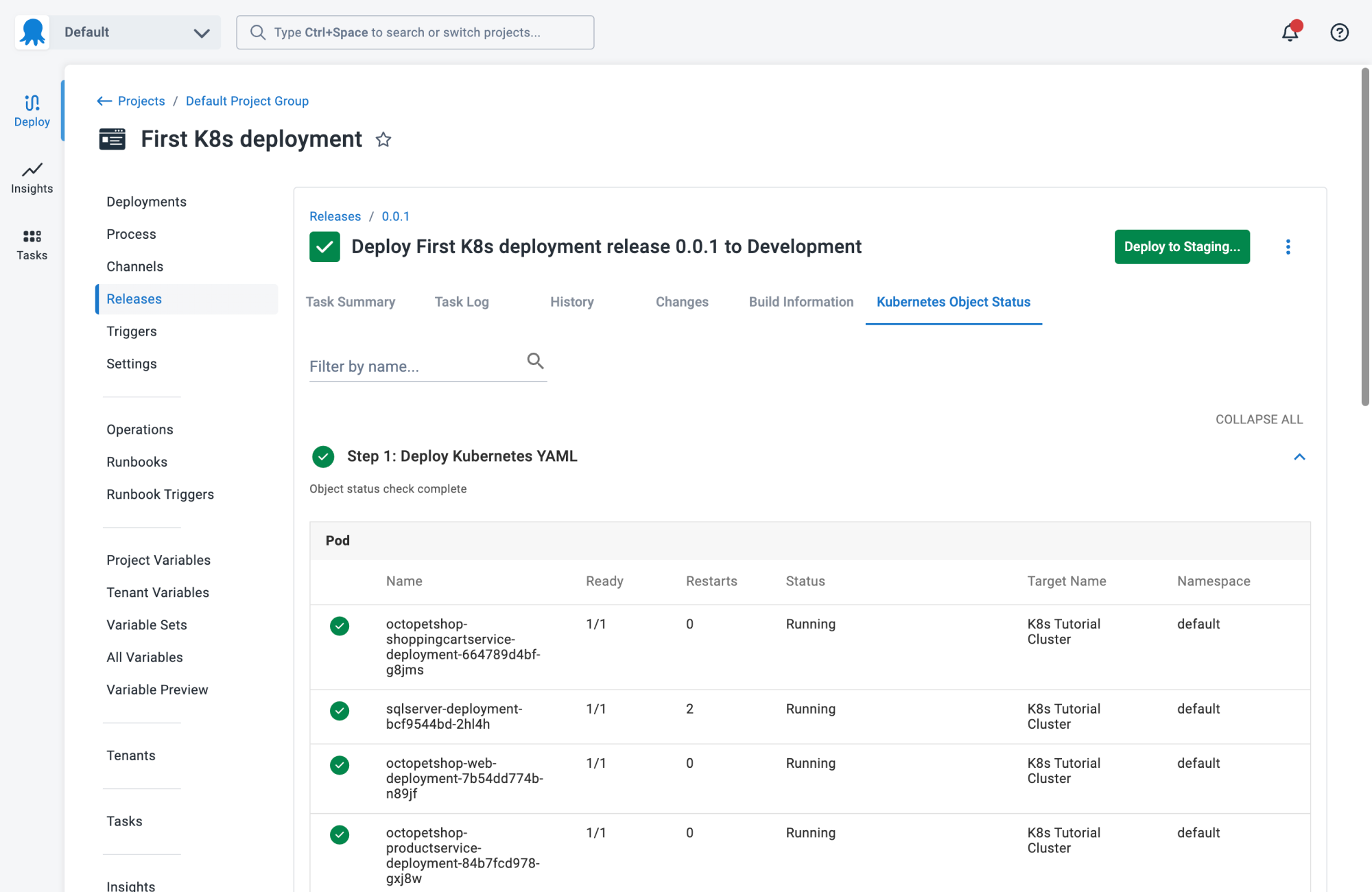
- Single pane of glass: Get everything you need in one place, such as live status, deployment history, logs, and manifests across all clusters and environments.
- Enterprise-grade compliance: Use role-based access controls (RBAC) to handle access to applications and environments, and built-in ITSM integrations for change management.

Get started with Octopus for free
Standardize and automate Kubernetes deployments across teams and environments.
2. Argo CD
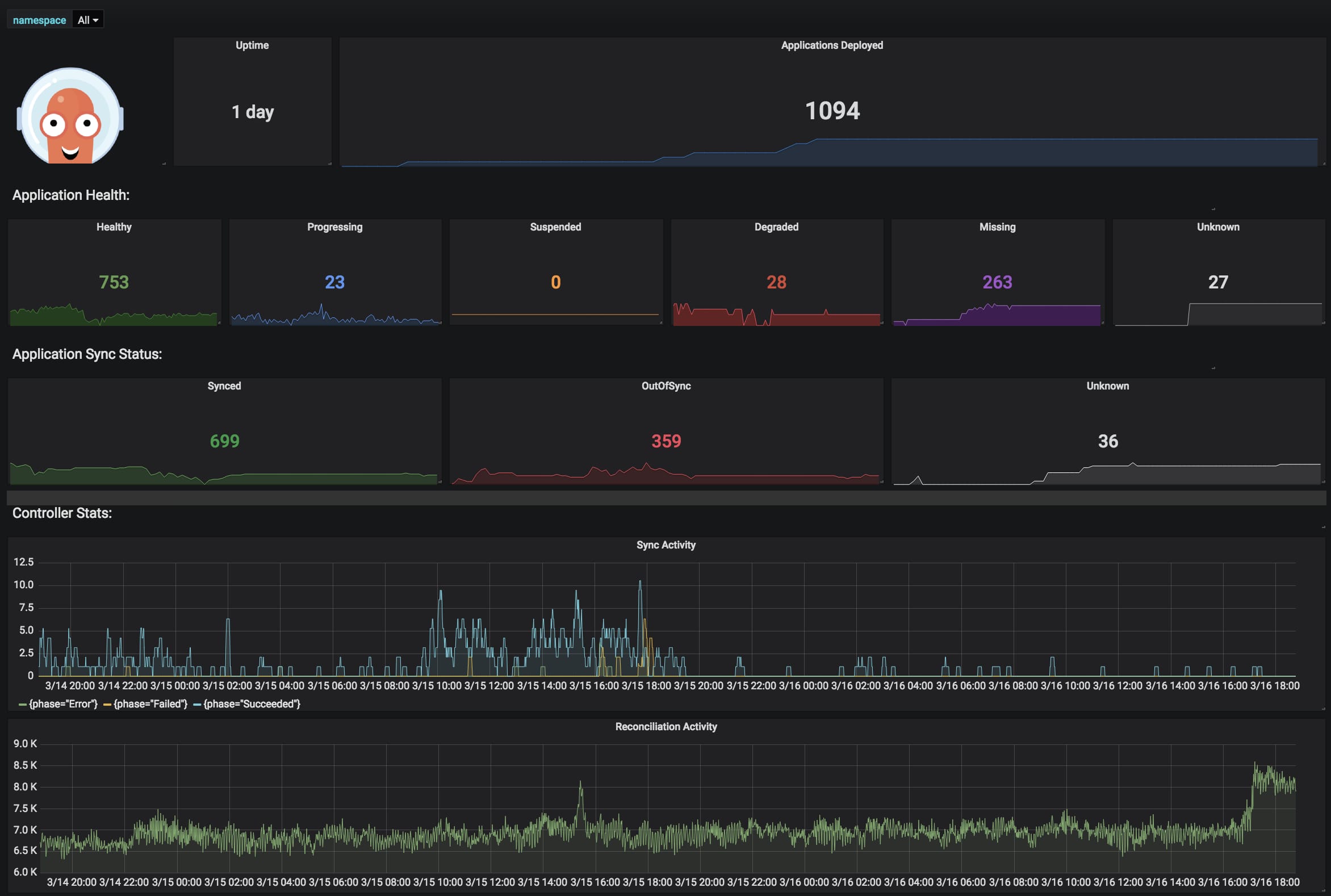
Argo CD is a Continuous Delivery solution designed specifically for Kubernetes environments, built on the GitOps model. It uses Git repositories as the single source of truth to define the desired state of applications, ensuring that deployments are consistent, auditable, and fully automated. As a Kubernetes controller, Argo CD continuously monitors the live state of applications and compares it to the declared configuration in Git.
Key features include:
- Declarative application management using Git as the source of truth
- Continuous monitoring and automated synchronization of application state
- Supports multiple config management tools: Kustomize, Helm, Jsonnet, and plain YAML
- Visual web UI for real-time deployment status and diffing
- CLI and webhook support for CI integration and automation

3. Spinnaker
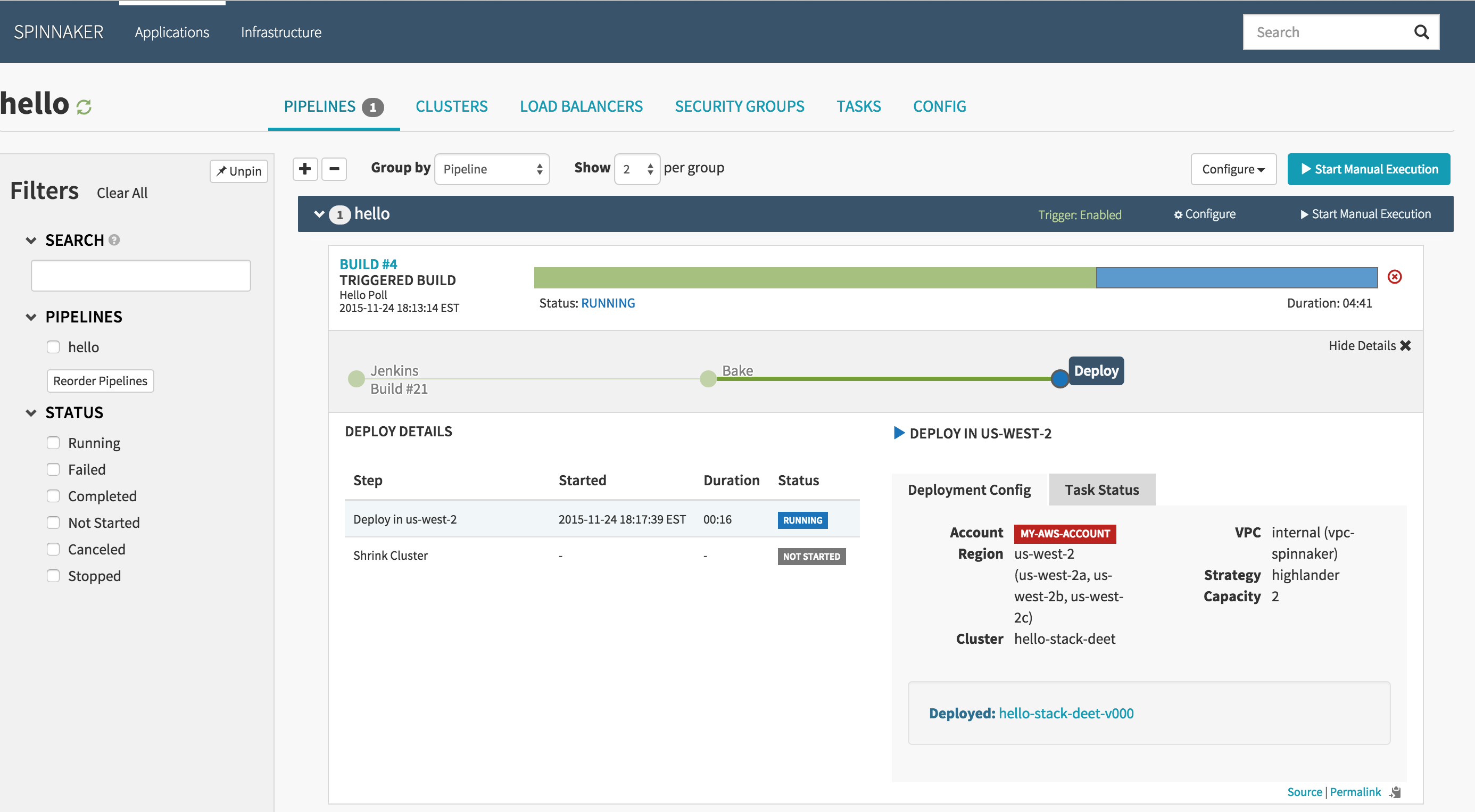
Spinnaker is an open-source, multi-cloud Continuous Delivery platform built to enable fast and reliable software deployments. Originally developed at Netflix, Spinnaker integrates with major cloud providers and supports a flexible, automated pipeline system for managing release workflows. It helps teams standardize deployment processes, minimize configuration drift, and reduce risks through built-in deployment best practices.
Key features include:
- Multi-cloud deployment support for AWS, Kubernetes, GCP, Azure, Cloud Foundry, Oracle Cloud, and more
- Flexible pipeline system for orchestrating automated release workflows, including integration and system tests
- Deployment strategies including blue/green, canary, and immutable image rollouts to ensure safe and predictable releases
- Role-based access control (RBAC) with support for OAuth, LDAP, SAML, GitHub Teams, Google Groups, and more
- CI/CD integrations with Jenkins, Travis CI, Docker, Git, and CRON for triggering pipelines
Full DevOps and CI/CD platforms
4. GitLab CI/CD
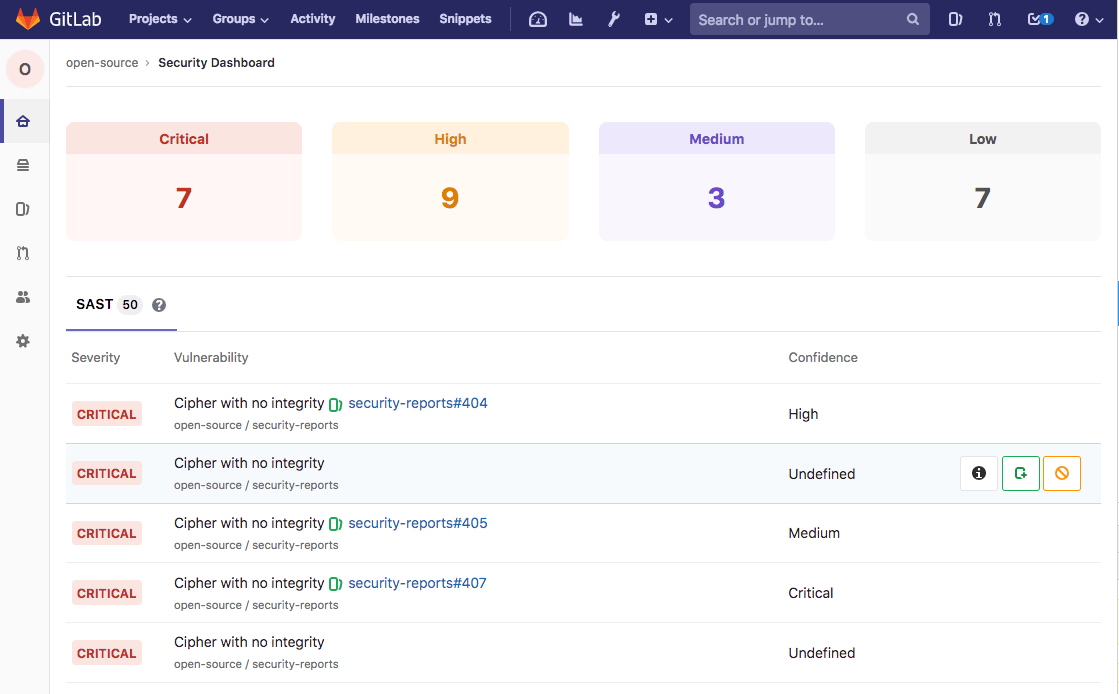
GitLab CI/CD is an integrated Continuous Integration and Delivery solution built into the GitLab platform, designed to automate every phase of the DevSecOps lifecycle. From code commit to production deployment, GitLab simplifies software delivery with customizable pipelines that build, test, package, and deploy code automatically.
Key features include:
- Integrated platform covering the full DevSecOps lifecycle from planning to monitoring
- Custom and templated pipelines that automate build, test, package, and deployment workflows
- CI/CD catalog with reusable components to standardize pipelines across teams
- Parent-child pipelines for managing complex workflows and improving pipeline performance
- Merge trains to ensure main branches remain stable during high-volume collaboration
5. GitHub Actions
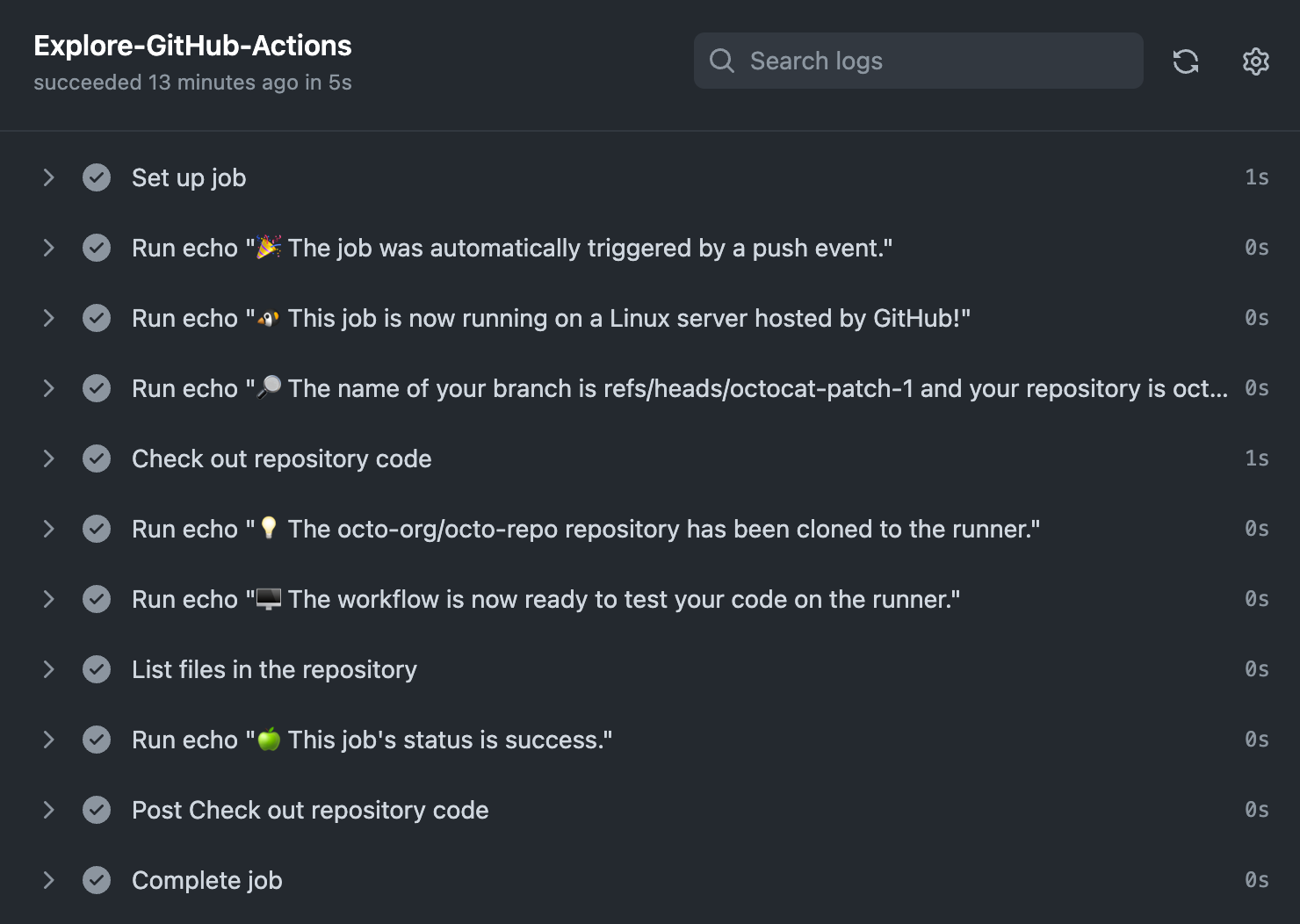
GitHub Actions is a CI/CD automation platform built into GitHub, allowing teams to build, test, and deploy code straight from their repositories. It supports event-driven automation across the development lifecycle, enabling developers to trigger workflows on pull requests, pushes, releases, and other GitHub events.
Key features include:
- Event-driven automation triggered by GitHub events like pushes, PRs, issues, and releases
- Hosted runners on Linux, macOS, Windows, ARM, and GPU, or support for self-hosted runners
- Matrix builds to test across multiple operating systems and runtime versions in parallel
- Support for any language, including JavaScript, Python, Java, Go, Ruby, .NET, and more
- Live logging with real-time feedback and easy sharing of specific log lines for debugging
- Built-in secret management for storing and using credentials securely in workflows
6. Azure DevOps
Azure DevOps is a cloud-based platform that integrates planning, development, testing, and delivery into a unified toolchain for software teams. It supports the software development lifecycle with modular services including source control, CI/CD pipelines, testing tools, artifact management, and Agile planning boards.
Key features include:
- Azure Boards: Agile project management with backlogs, Kanban boards, sprints, burndown charts, and customizable work item types
- Azure Repos: Source control using Git or Team Foundation Version Control (TFVC), with pull requests, branch policies, and IDE integrations
- Azure Pipelines: Language-agnostic CI/CD pipelines that support parallel jobs, release approvals, and deployment to Azure, AWS, GCP, or on-premises
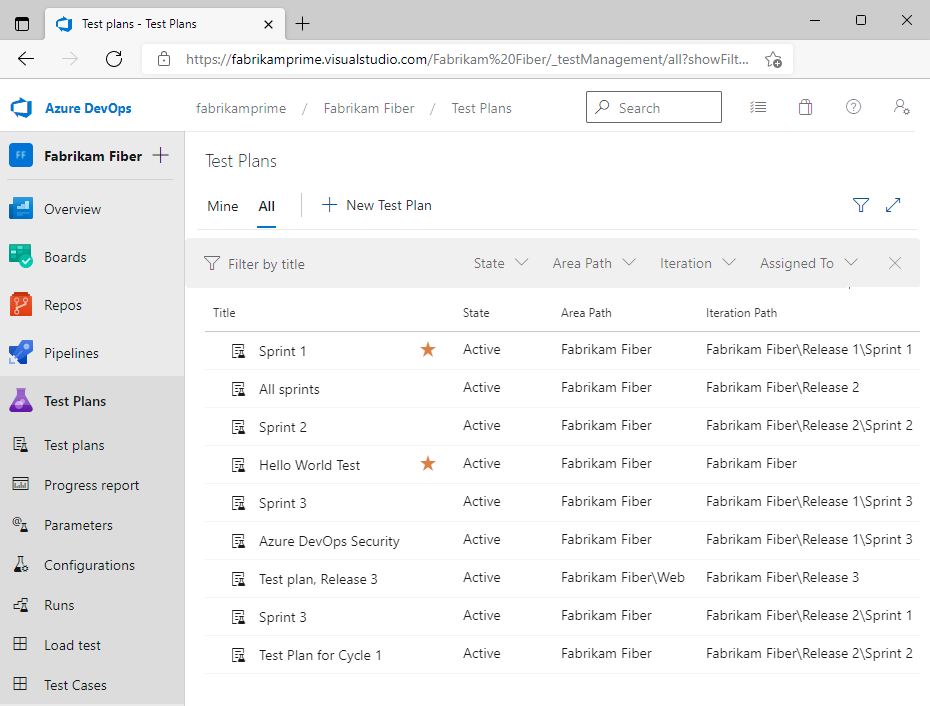
- Azure Test Plans: Manual, exploratory, and automated test management with traceability, reporting, and test result tracking
- Azure Artifacts: Package hosting and sharing for NuGet, npm, Maven, Python, and Universal packages with versioning and access control

Infrastructure as Code (IaC) solutions
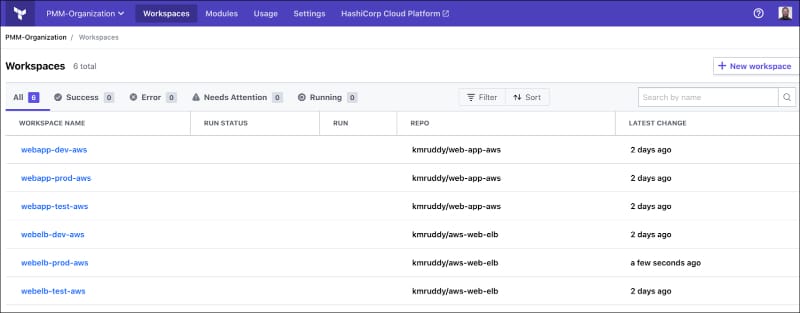
7. Terraform
Terraform is an Infrastructure as Code (IaC) tool developed by HashiCorp that enables teams to define, provision, and manage infrastructure using declarative configuration files. These files describe the desired state of resources, whether cloud-based or on-premises, and Terraform handles the provisioning and lifecycle management automatically.
Key features include:
- Multi-provider support: Manage infrastructure across cloud providers (AWS, Azure, GCP, OCI) and services (Kubernetes, GitHub, Datadog, etc.) using provider plugins
- Declarative configurations: Define infrastructure in simple, readable configuration files that describe the end state, not the execution steps
- Execution planning: Generate an execution plan showing exactly what Terraform will do before any changes are made
- State management: Track real infrastructure using a state file that acts as the source of truth for the environment
- Resource dependency graph: Automatically handles dependencies and provisions resources in the correct order, with parallel execution when possible
8. Pulumi
Pulumi is an open-source Infrastructure as Code (IaC) platform that enables teams to define, provision, and manage cloud infrastructure using general-purpose programming languages such as TypeScript, Python, Go, C#, Java, and YAML. Unlike template-based IaC tools, Pulumi gives developers access to familiar language features, IDE support, and package ecosystems.
Key features include:
- Language flexibility: Define infrastructure using TypeScript, JavaScript, Python, Go, C#, Java, or YAML
- Multi-cloud support: Provision resources across AWS, Azure, GCP, Kubernetes, and 170+ providers using a consistent SDK
- Full API coverage: Native provider support ensures access to the latest features and services with same-day updates
- Reusable components: Create higher-level abstractions with Pulumi Packages to standardize cloud architectures across teams
- Preview and testing: Use standard test frameworks to validate configurations and preview infrastructure changes before deployment

9. Ansible
Ansible is an open-source IT automation tool that simplifies the provisioning, configuration, deployment, and orchestration of systems and applications. Designed for simplicity and agentless operation, Ansible uses human-readable YAML files (playbooks) to define automation logic and executes tasks over standard SSH or APIs.
Key features include:
- Agentless architecture: No need to install agents on managed nodes; communicates over SSH, WinRM, or APIs
- Simple language: Uses YAML-based playbooks that are easy to write, read, and share across teams
- Modular design: Ships with hundreds of built-in modules to automate tasks for systems, networks, and cloud platforms
- Cross-platform automation: Supports Linux, Windows, macOS, cloud services (AWS, Azure, GCP), and networking gear
- Policy as code: Enforce configuration standards and compliance policies throughout the automation lifecycle
Security and compliance tools
10. Open Policy Agent (OPA)
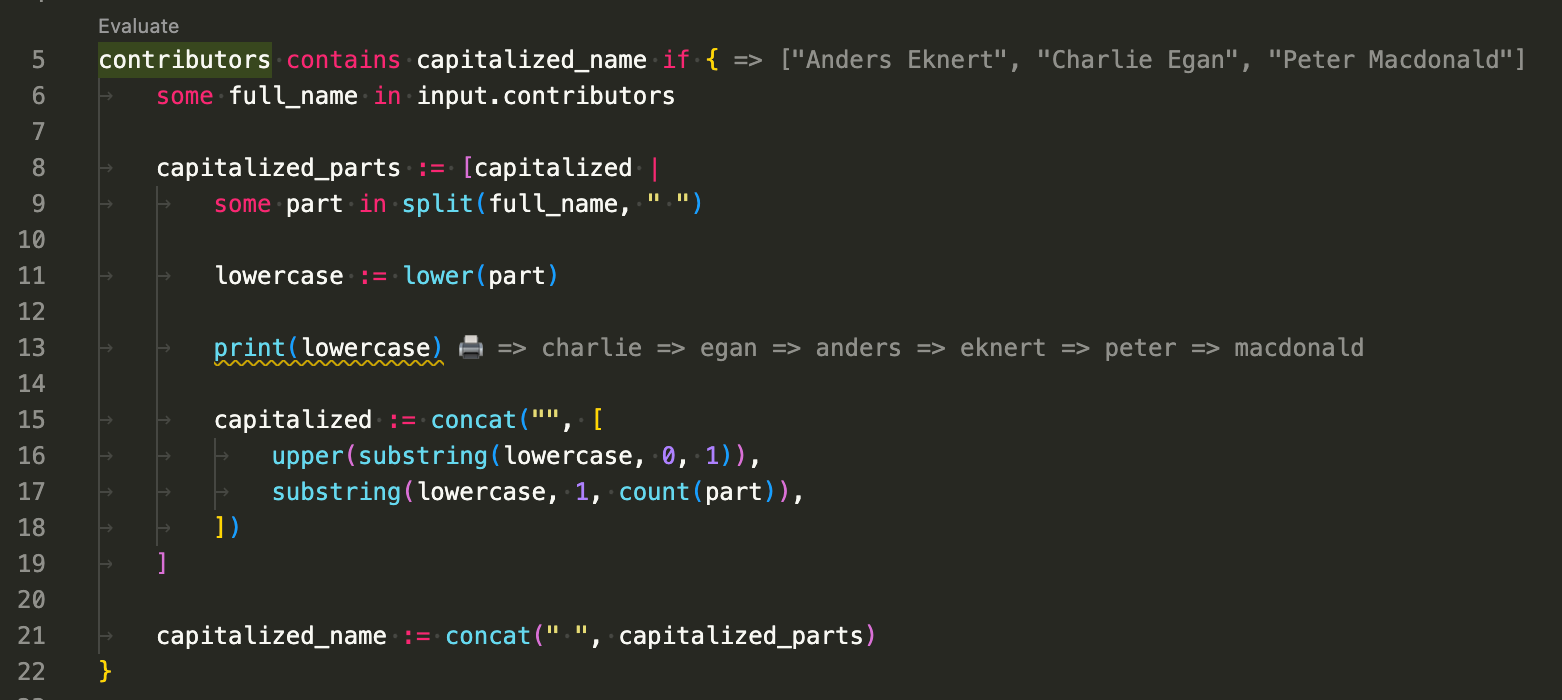
Open Policy Agent (OPA) is a general-purpose policy engine that enables fine-grained, declarative control over infrastructure, applications, and APIs. It decouples policy from application logic, making it easier for teams to manage, audit, and enforce rules consistently across the stack. OPA uses Rego, a purpose-built policy language, to express context-aware decisions in a clear and structured way.
Key features include:
- Decoupled policy logic: Centralizes policy control while allowing application teams to focus on business logic
- Rego policy language: Use a high-level, declarative language designed specifically for expressing policy rules
- Wide integration scope: Enforce policy across Kubernetes, APIs, CI/CD pipelines, microservices, proxies (e.g., Envoy), and applications
- Fast decision engine: Operates on preloaded, in-memory data for low-latency policy evaluations
- Audit and compliance support: Generates logs and decision histories to support auditing and debugging

11. HashiCorp Vault
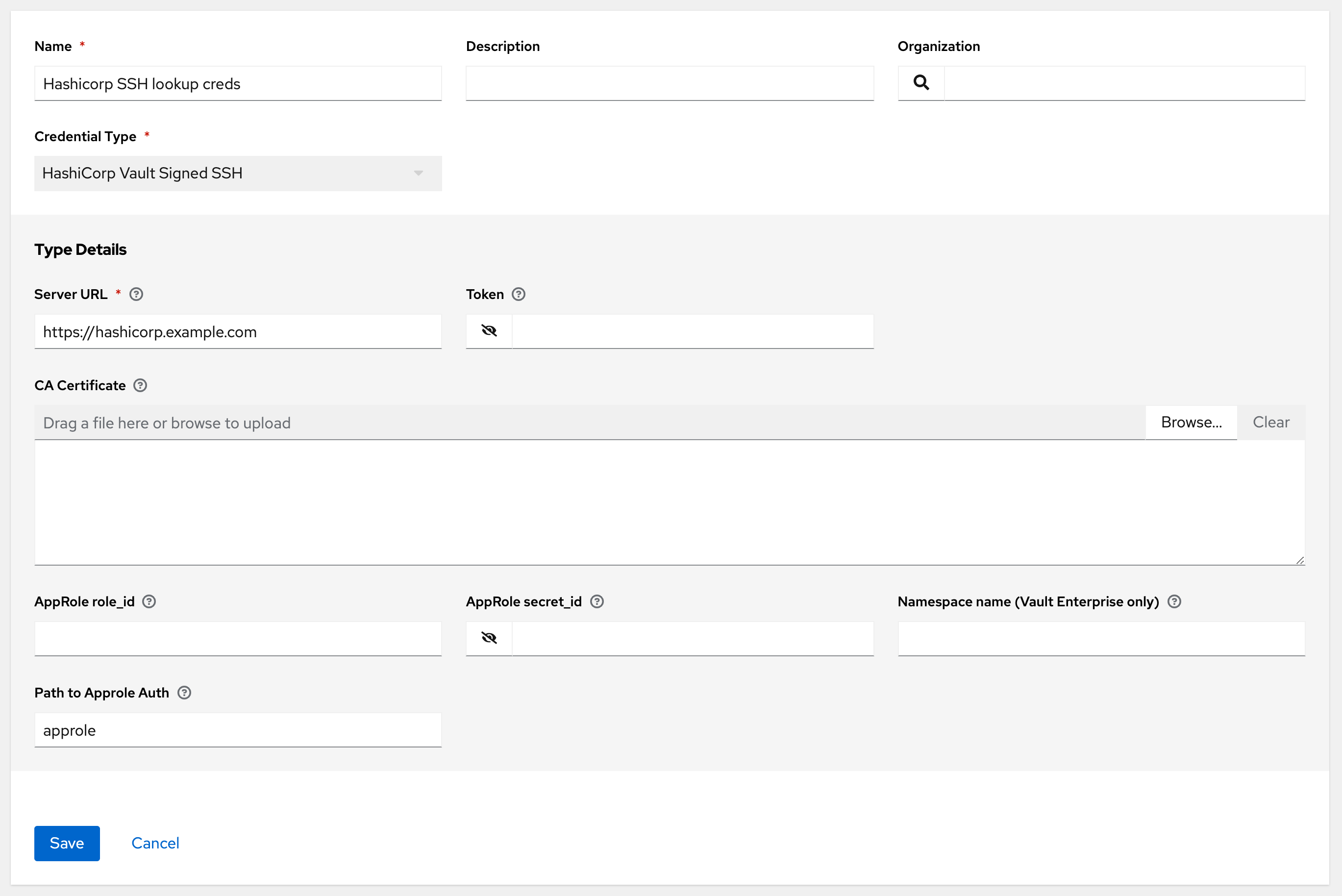
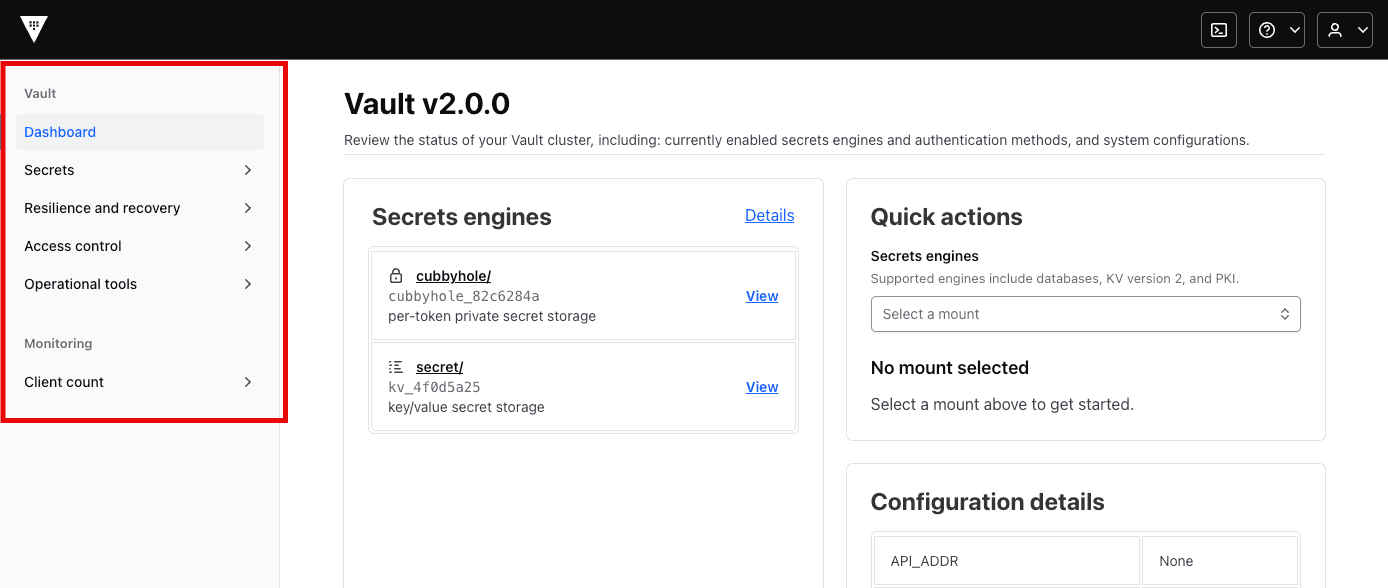
HashiCorp Vault is a centralized secrets management solution that helps organizations securely store, access, and control sensitive data such as API keys, passwords, certificates, and encryption keys. Built with a focus on identity-based access and automation, Vault protects credentials through dynamic secrets, just-in-time access, and fine-grained policy enforcement.
Key features include:
- Identity-based access control: Authenticate users and services based on trusted identities using methods like LDAP, Kubernetes, cloud IAM, and more
- Secrets lifecycle management: Dynamically generate, rotate, and revoke secrets with automatic expiration to prevent credential sprawl
- Encryption as a service: Provide data-at-rest and data-in-transit encryption using Vault’s high-performance cryptographic APIs
- Certificate and key management: Manage TLS certificates, signing keys, and tokens with built-in PKI and key management engines
- Centralized policy enforcement: Define and enforce fine-grained access policies using HCL-based policies or Sentinel for policy-as-code

12. Trivy
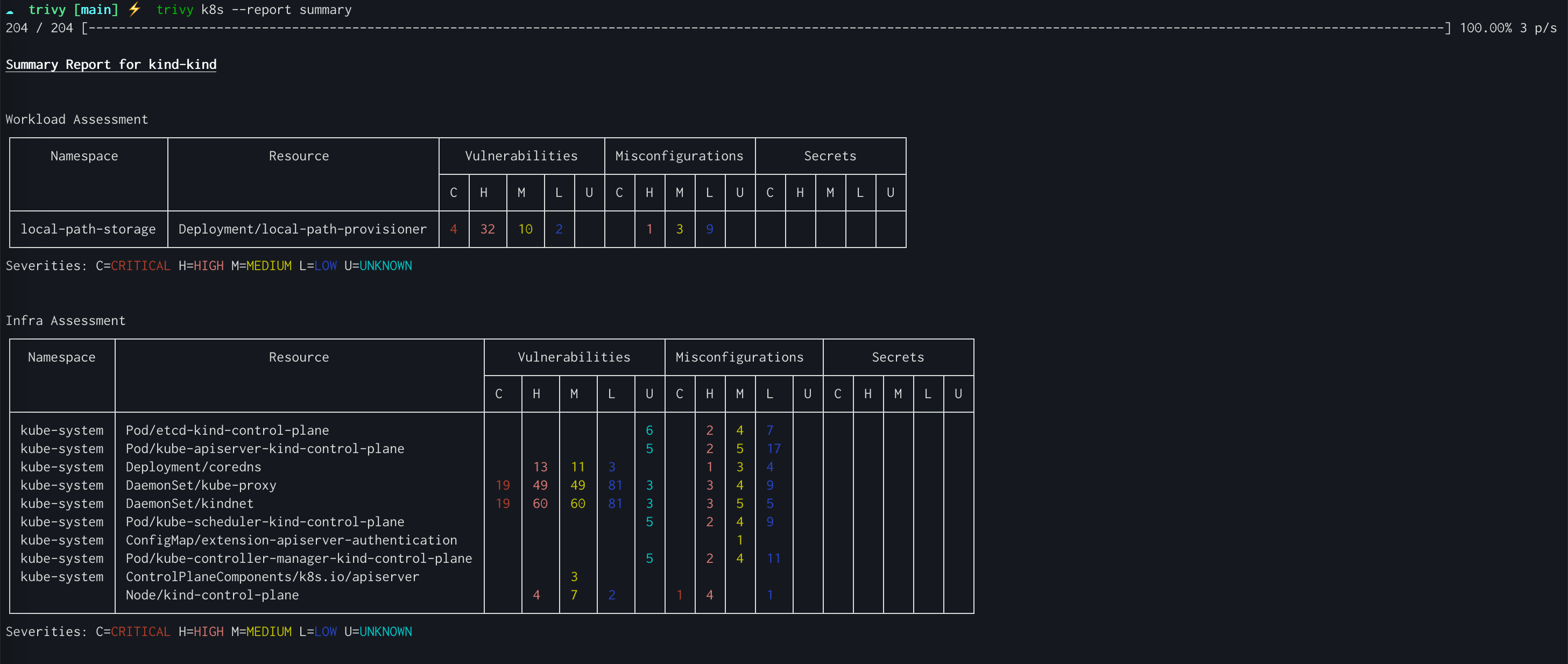
Trivy is an open-source security scanner to detect vulnerabilities, misconfigurations, and other security issues across a range of targets from container images and file systems to Kubernetes clusters and Git repositories. It combines multiple types of scanning into a single CLI tool, making it easy to integrate into development, CI/CD, and production environments.
Key features include:
- Multi-target scanning: Analyze container images, local file systems, Git repositories, VM images, and Kubernetes clusters
- Comprehensive scanners: Detect CVEs, insecure IaC configurations, embedded secrets, license issues, and SBOMs (software bills of materials)
- Wide language and OS support: Covers most popular languages, package managers, and operating systems
- Fast and simple CLI: Run scans with a single command, no complex setup or dependencies required
- CI/CD integration: Use Trivy in GitHub Actions, GitLab CI, Jenkins, and other CI pipelines to automate security checks
Related content: read our guide to DevOps tools
Conclusion
DevOps solutions simplify the software development and delivery lifecycle by unifying automation, collaboration, and monitoring across teams. They help organizations accelerate release cycles, improve system reliability, and respond faster to changes in demand or infrastructure. By integrating continuous processes, Infrastructure as Code, and security practices into a cohesive workflow, DevOps enables consistent, repeatable deployments and fosters a culture of accountability and agility essential for modern software operations.
Help us continuously improve
Please let us know if you have any feedback about this page.